

Enthusiastic and experienced Realtor serving the greater New York area. Adept in effectively managing client needs, resulting in high satisfaction ratings. Committed to providing outstanding guidance and advice during all real estate phases.
05/2016 - 07/2021, Realtor, Gunther Smith Properties, New York
- Promoted and protected client needs, while approaching all parties with honesty and integrity.
- Adhered to all industry standards of practice.
- Collected and distributed appropriate information to aid clients in achieving their goals.
- Remained up-to-date on the local real estate market.
- Attended home showings and open houses.
- Brought forth passion, creativity, and a strong work ethic.
08/2012 - 04/2016, Real Estate Assistant, Kathy Walling Group, New York
- Served as a strong support to the team of agents in this busy Real Estate office.
- Handled a variety of administrative and clerical tasks to ensure the smooth running of the office.
- Served as a friendly and helpful liaison between agents and prospective clients.
- Maintained well-organized documentation of files.
- Remained up-to-date on the local real estate market trends.
09/2008 - 05/2012, Bachelor of Arts in Communications, Marymount Manhattan College, New York
09/2004 - 05/2008, High School Diploma, The Ursuline School, New Rochelle
- English
- French
- Creative Problem Solving Skills
- Multitasking Skills
- Project Management Skills
- Customer Service Skills
- Real Estate Procedures
- Motivated Attitude
- Excellent Communication Skills
- Knowledge of Office Technology
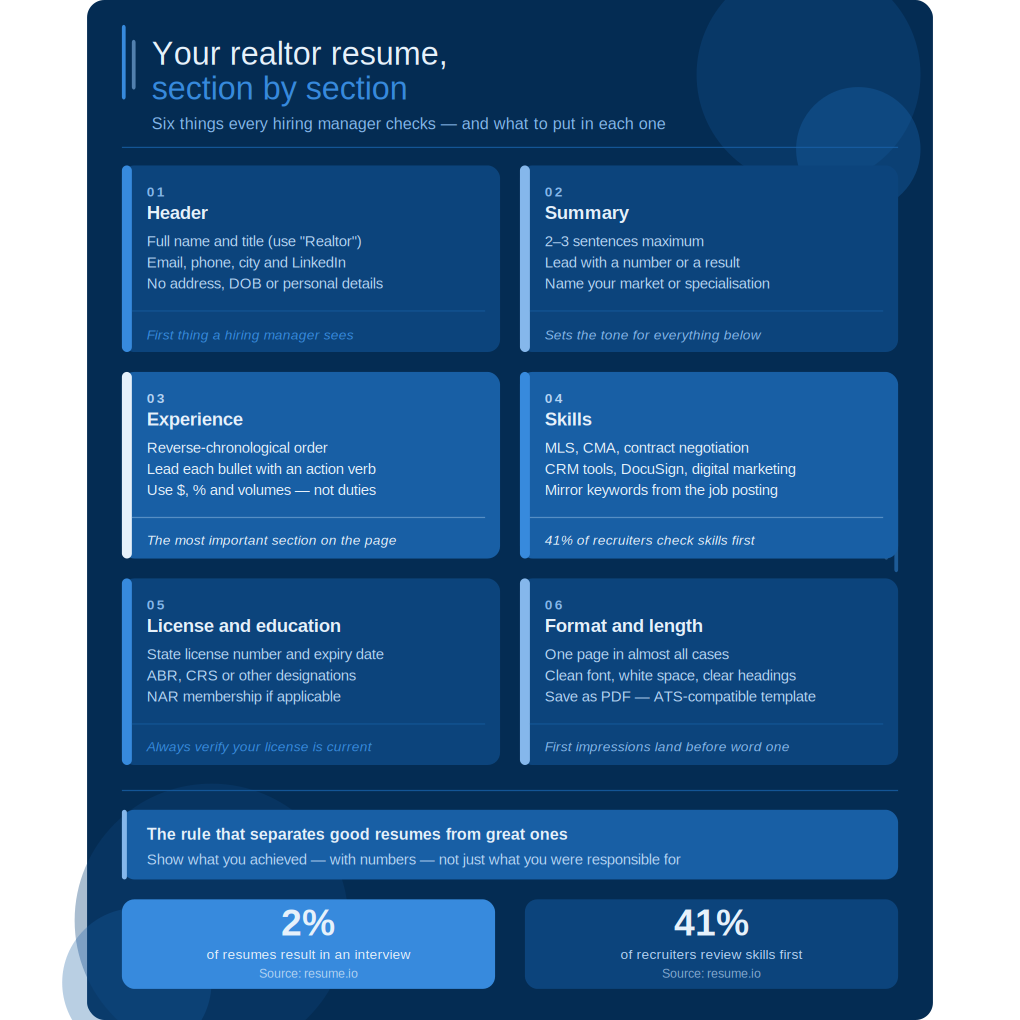
This guide covers everything you need to build a strong realtor resume, from formatting and summary writing to skills and job duties, with examples you can adapt at every stage. Only 2% of resumes sent out result in an interview, which means the quality of your resume matters more than most people realize.


Related Resume Examples
Real Estate Agent resume example

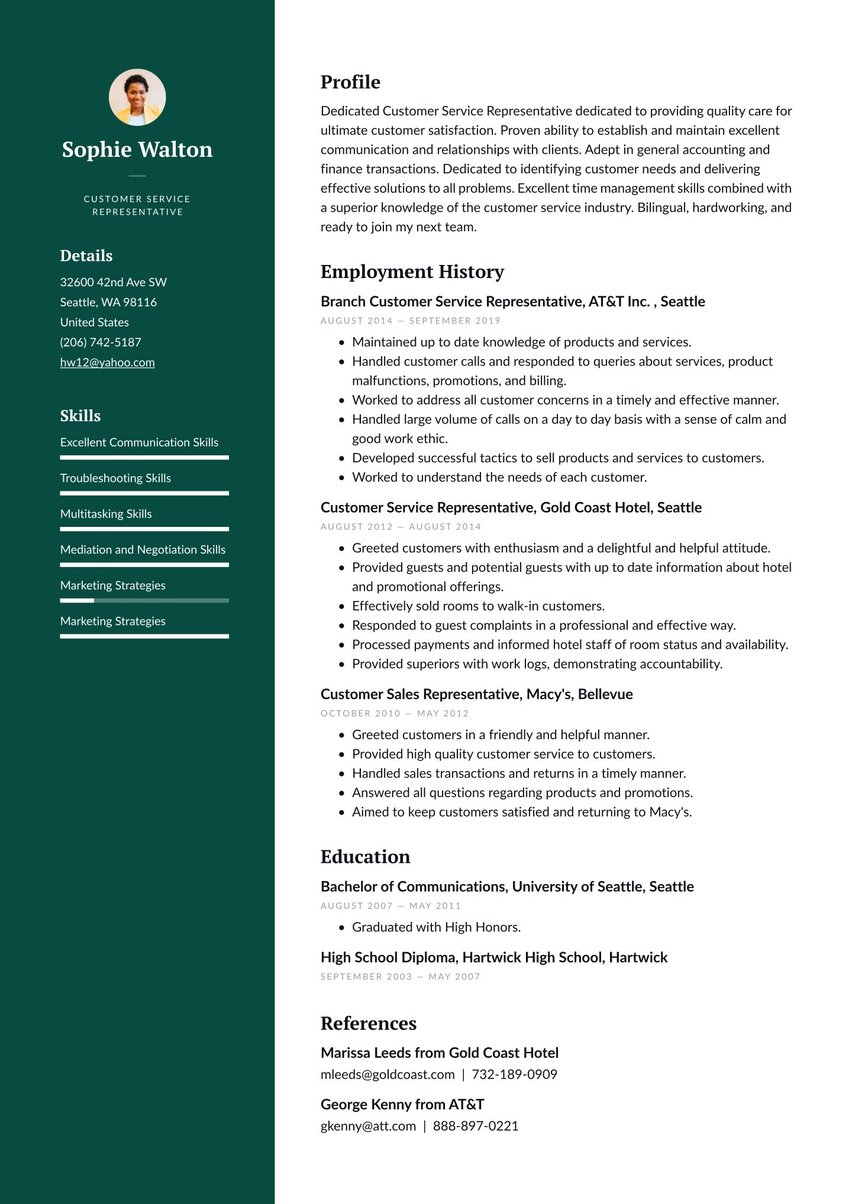
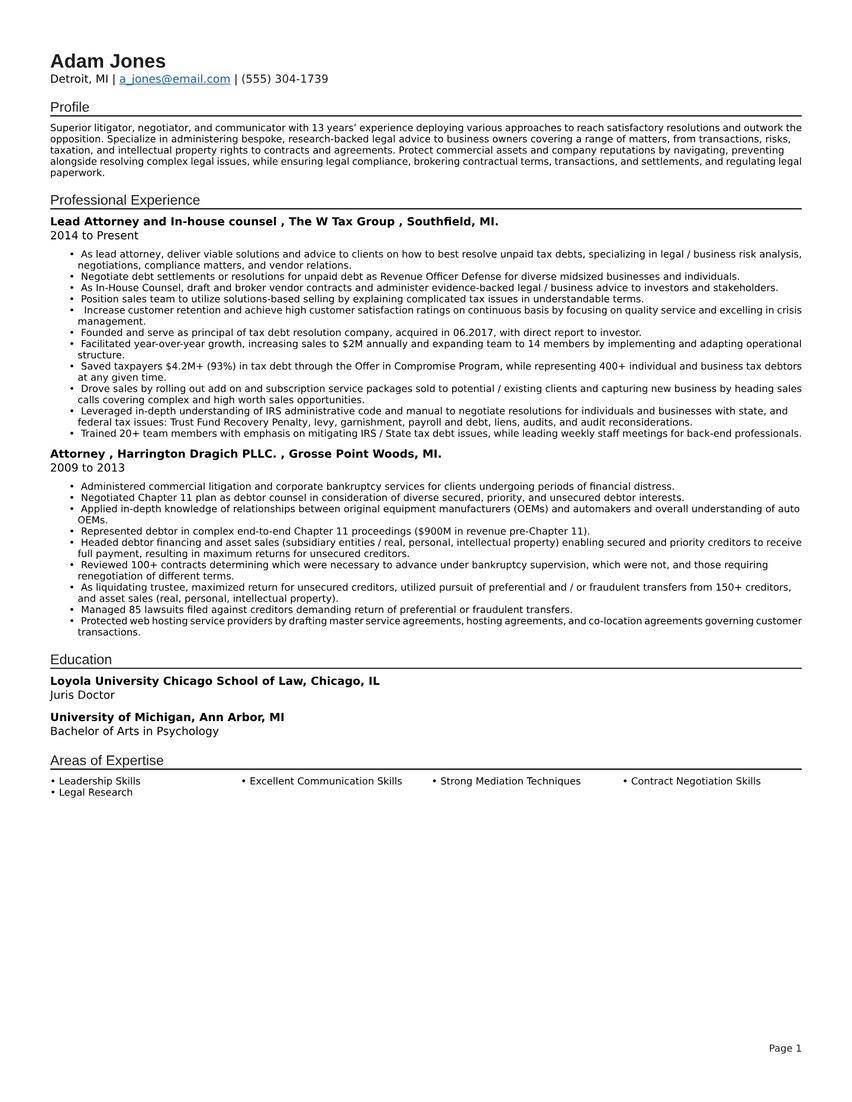
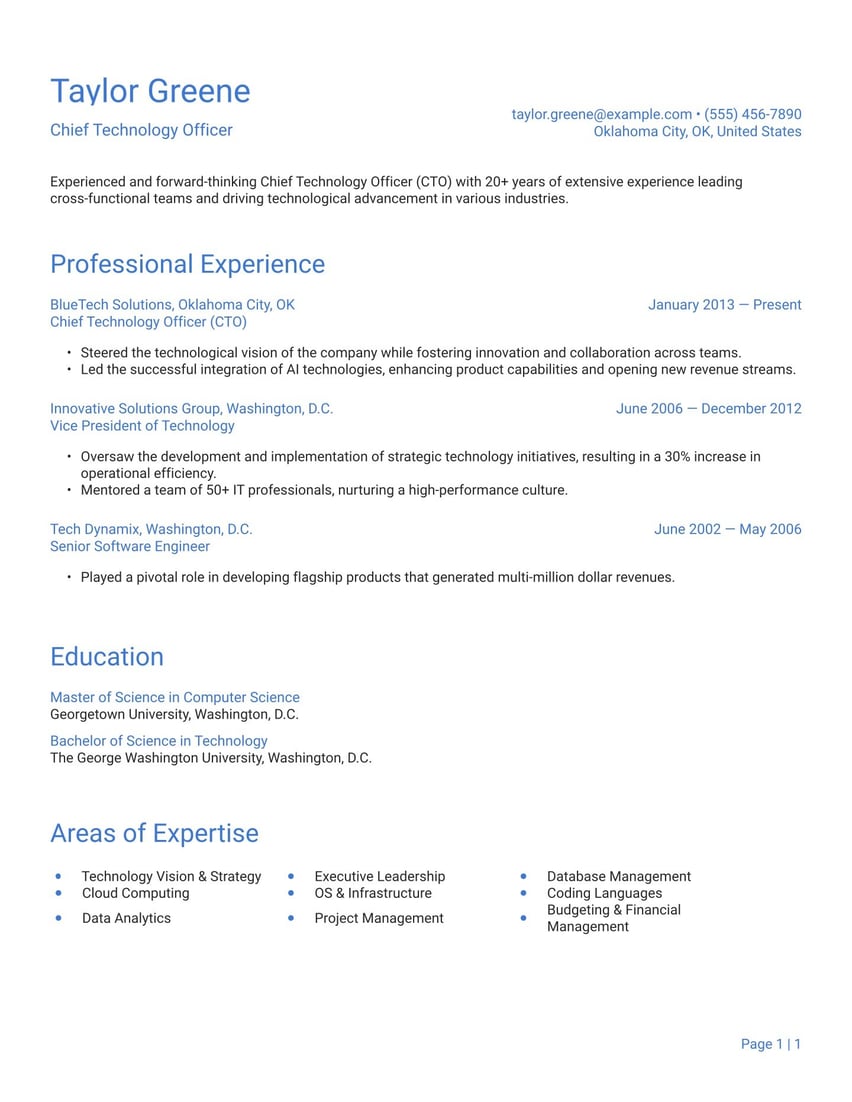
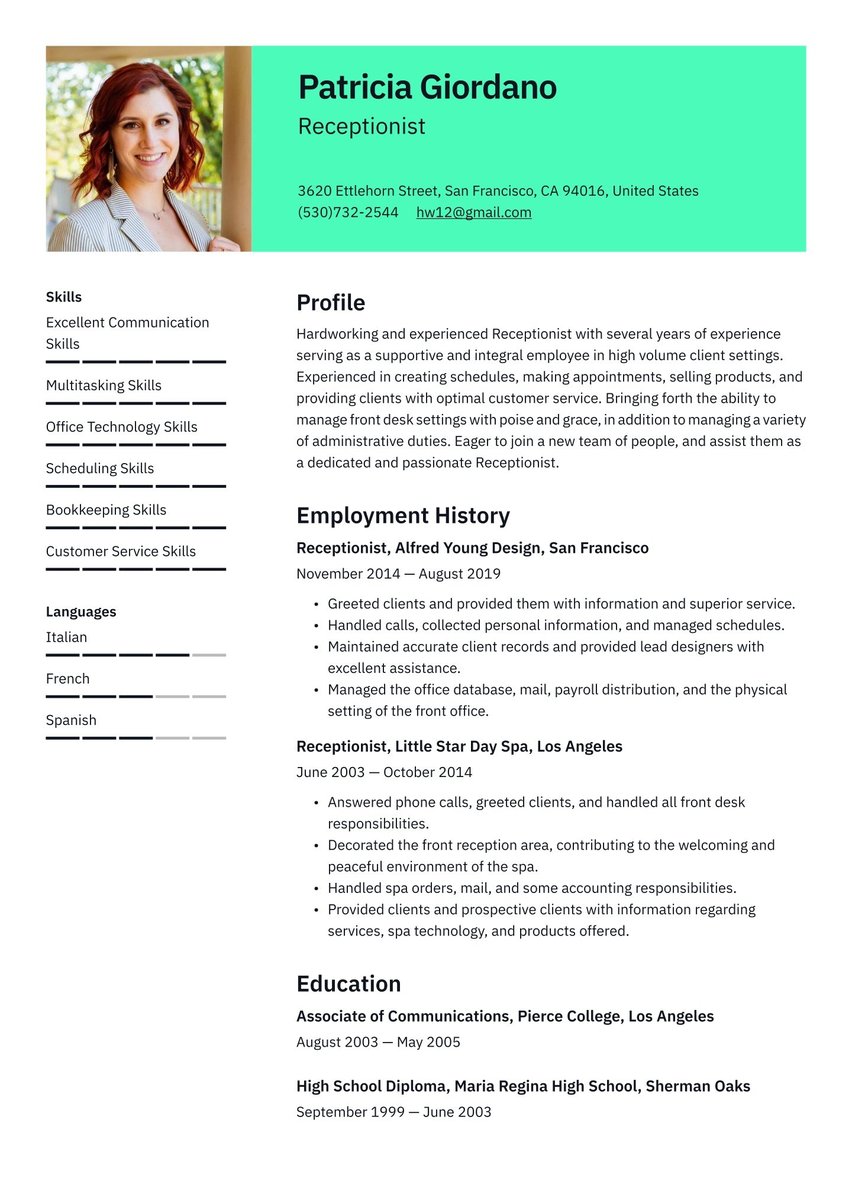
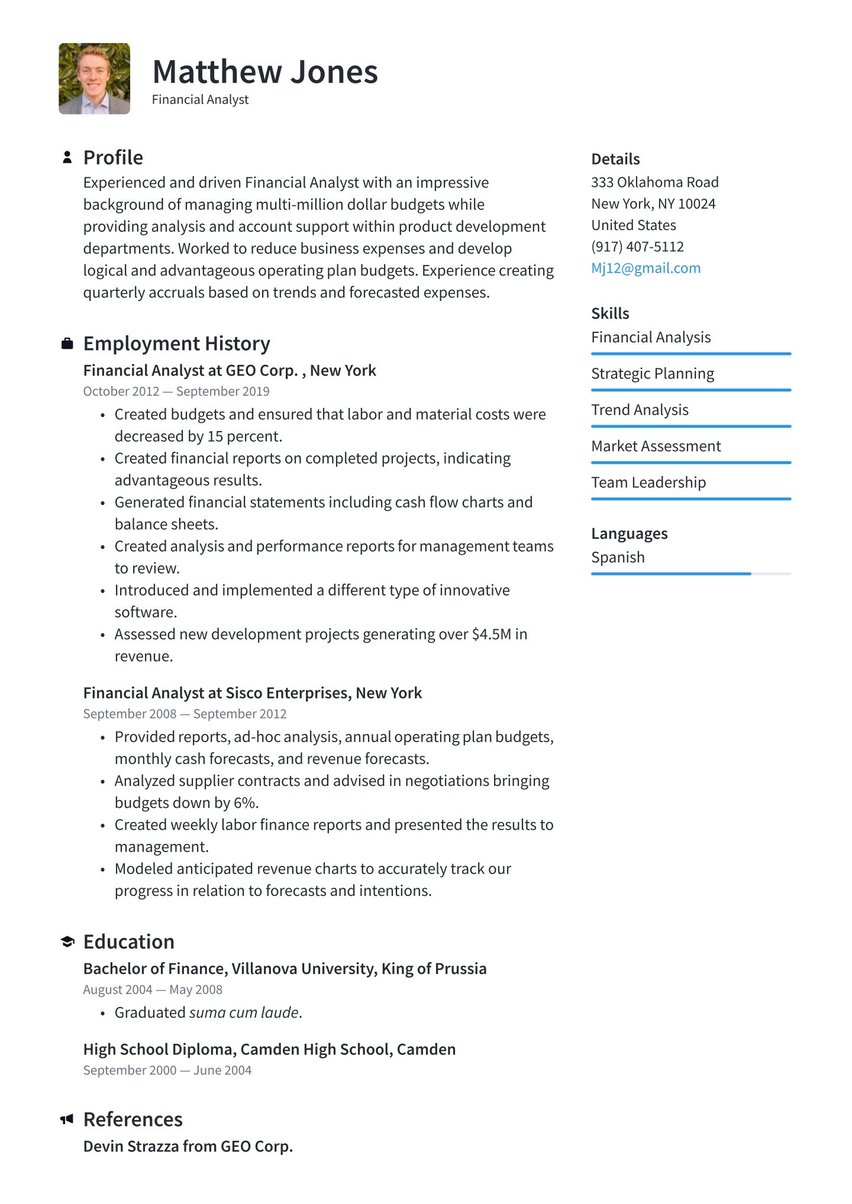
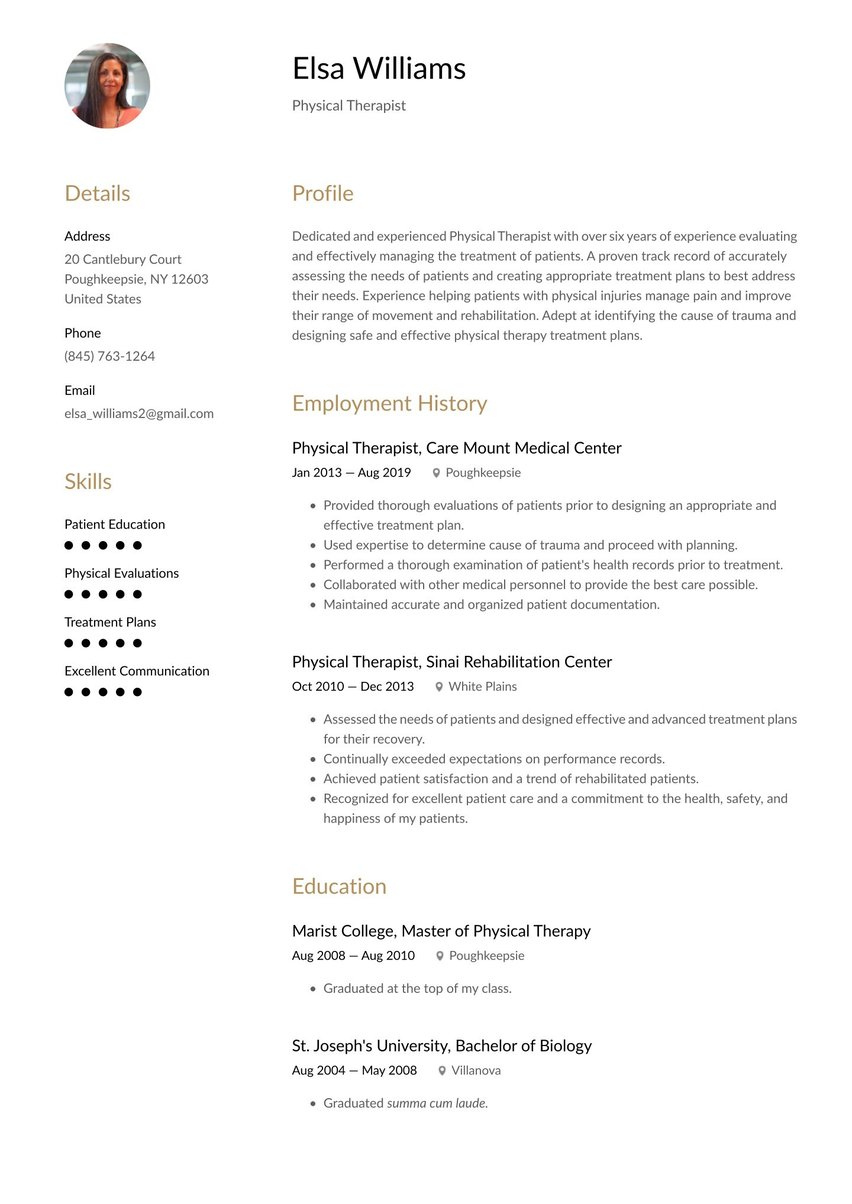
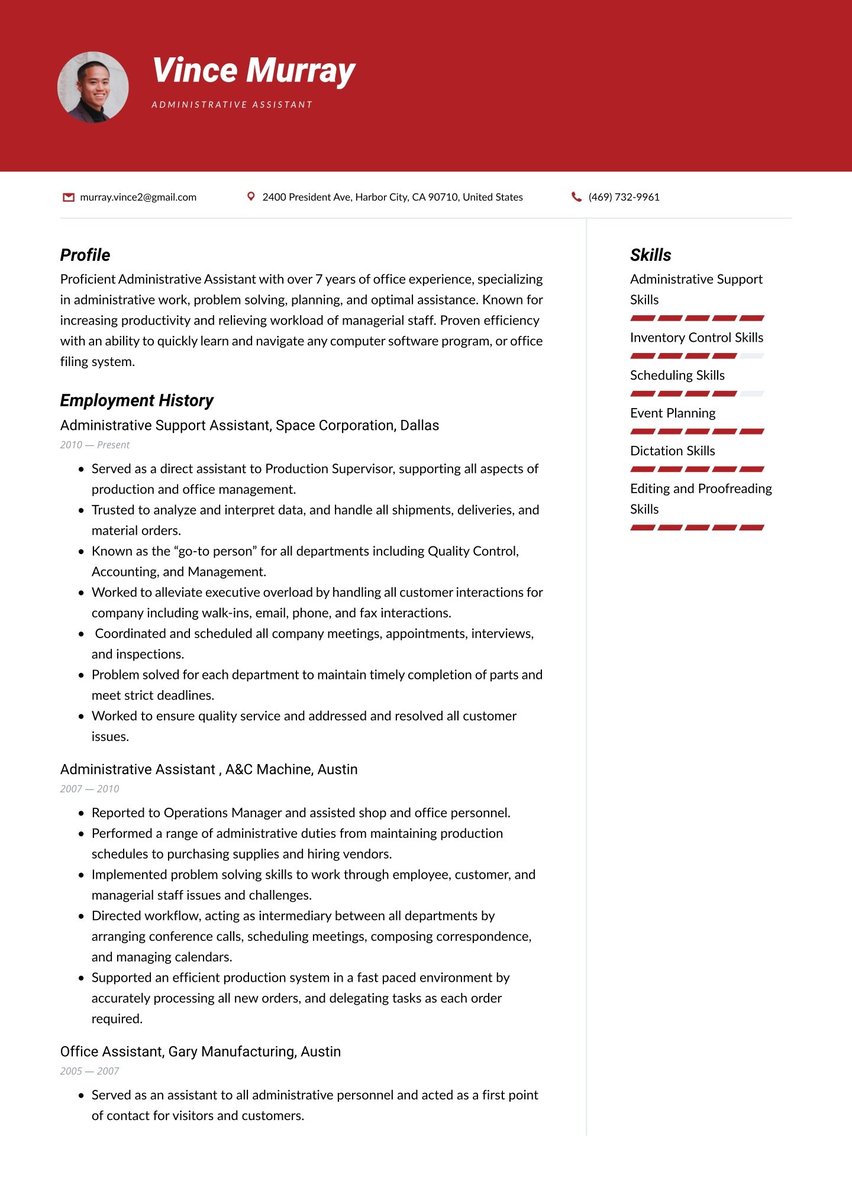
Focused on clean lines and a professional layout, this template highlights your negotiation skills and industry expertise as a Real Estate Agent. Its structured design emphasizes key achievements, helping you connect with clients and agencies alike.
New Home Sales Consultant resume example

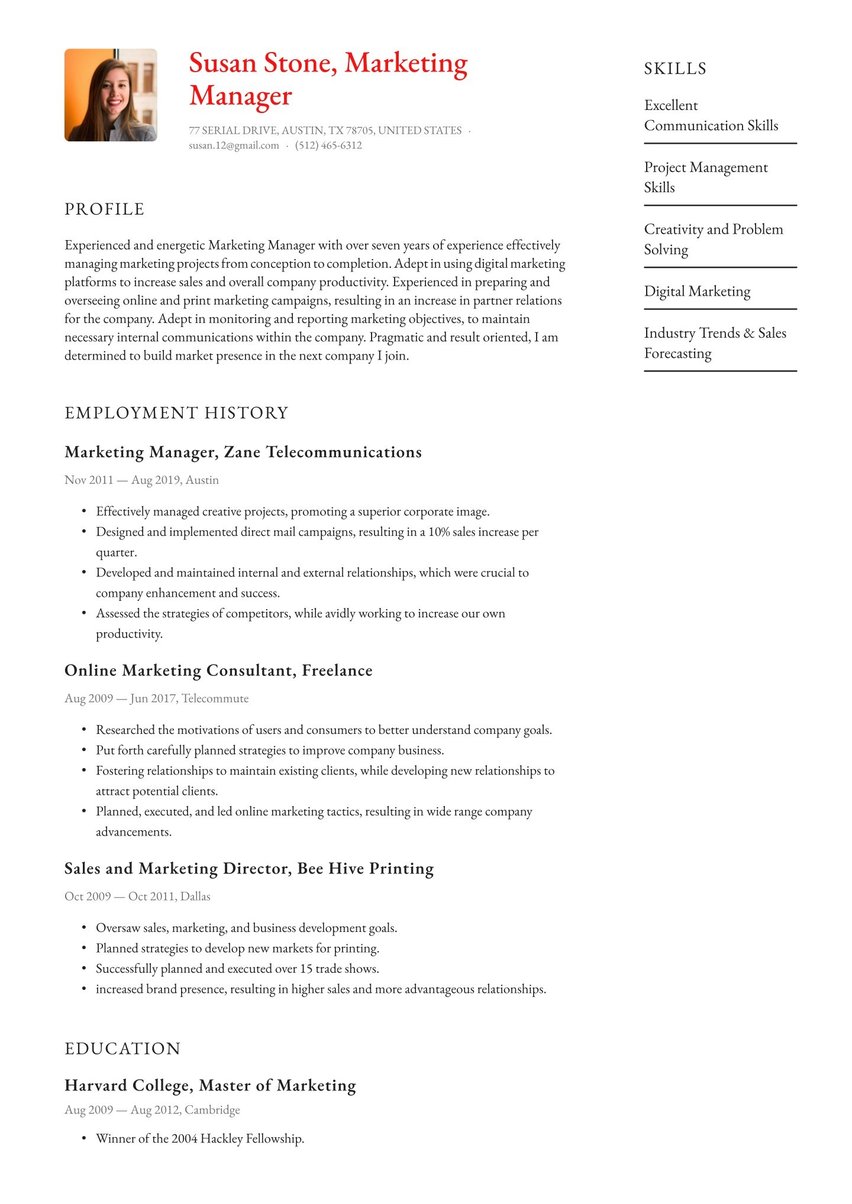
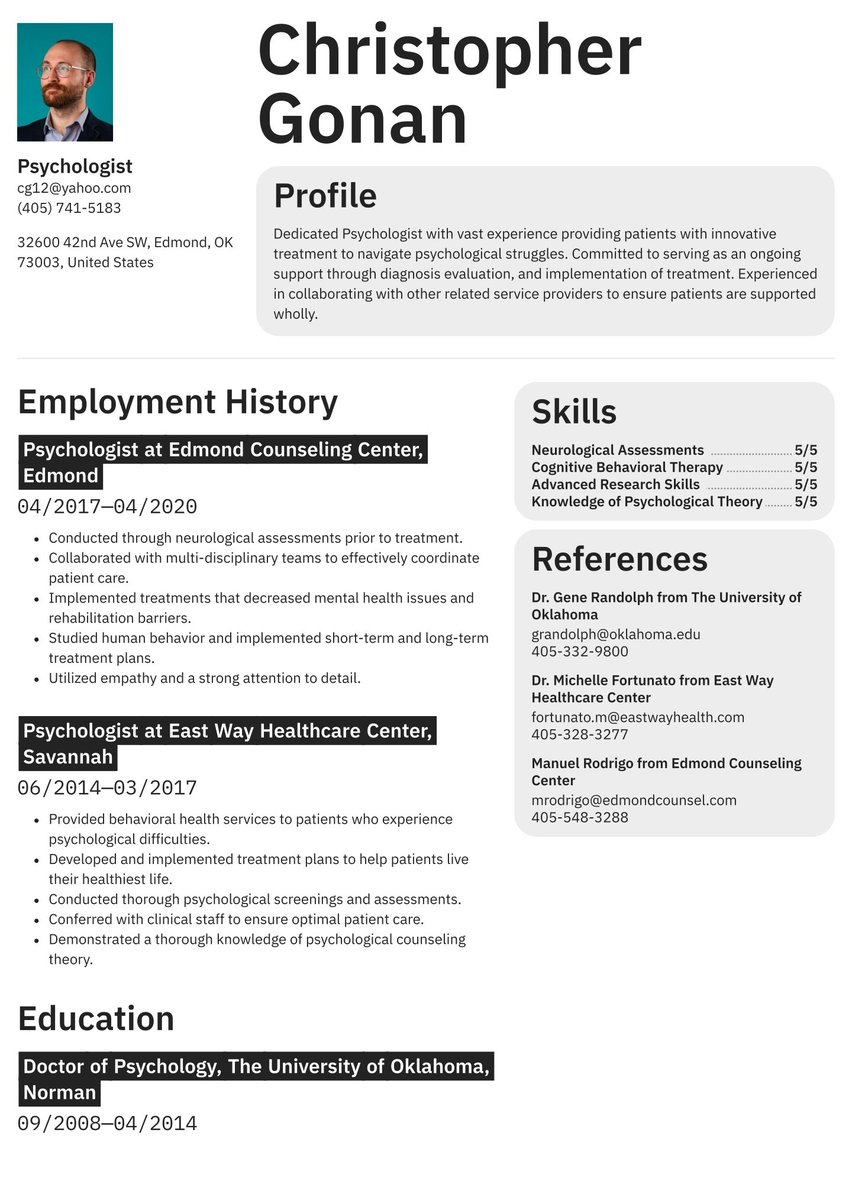
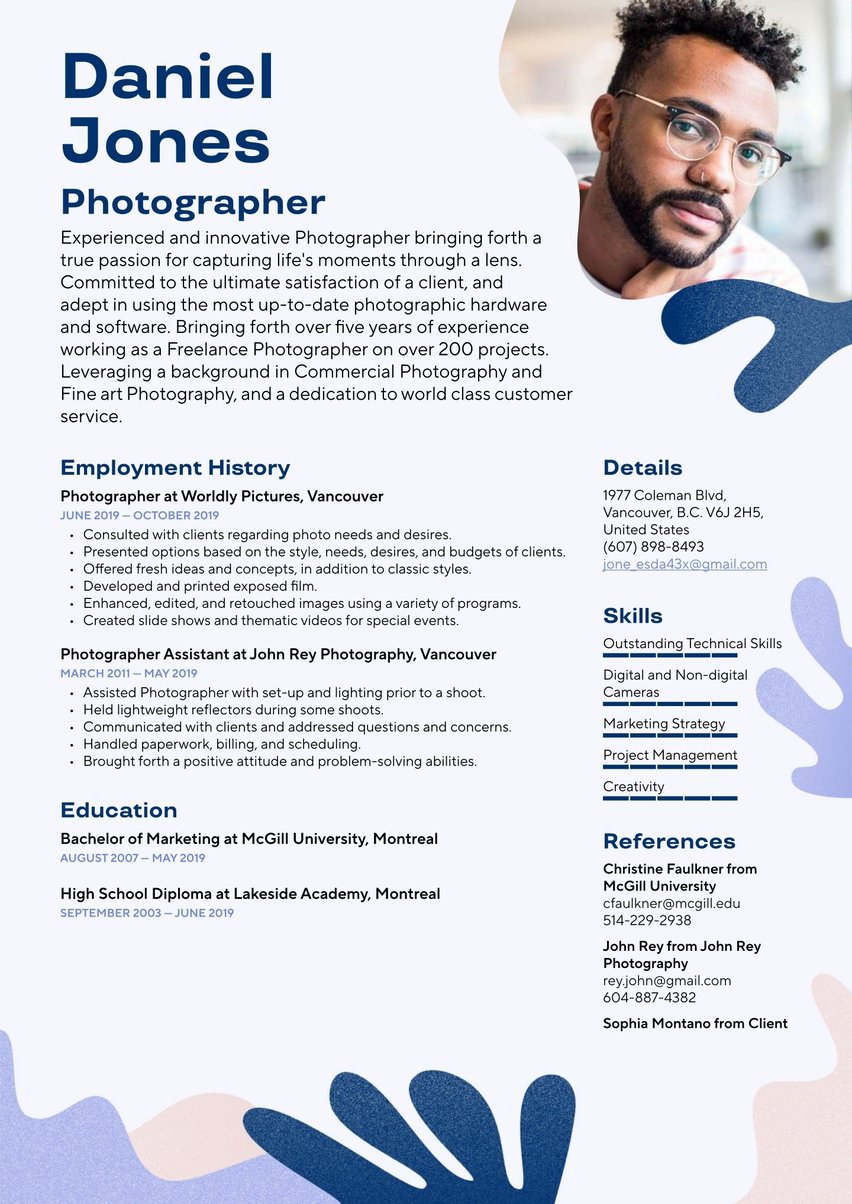
Aligned with a sales-driven mindset, this sleek, modern template spotlights your negotiation skills and customer service expertise as a New Home Sales Consultant. Its clean layout highlights achievements, fostering trust and appeal for homebuyers and employers alike.
Property Manager resume example

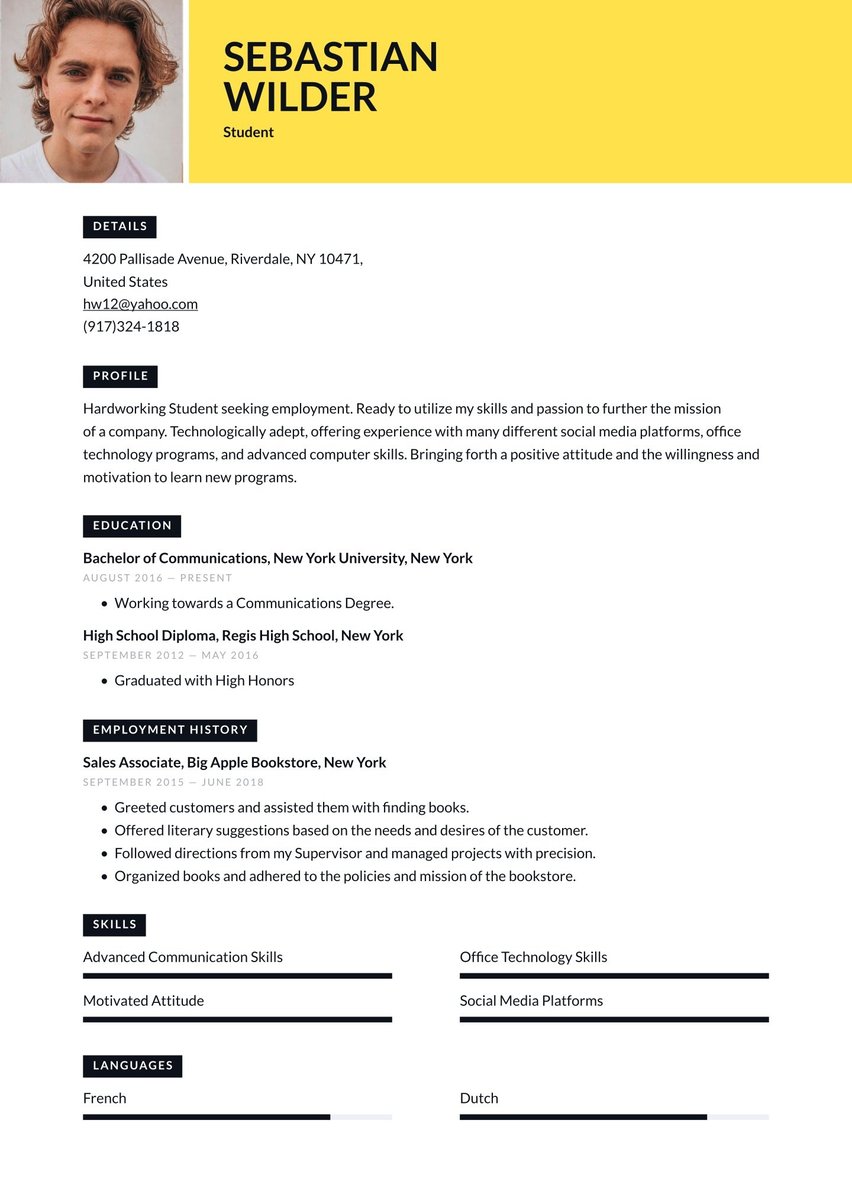
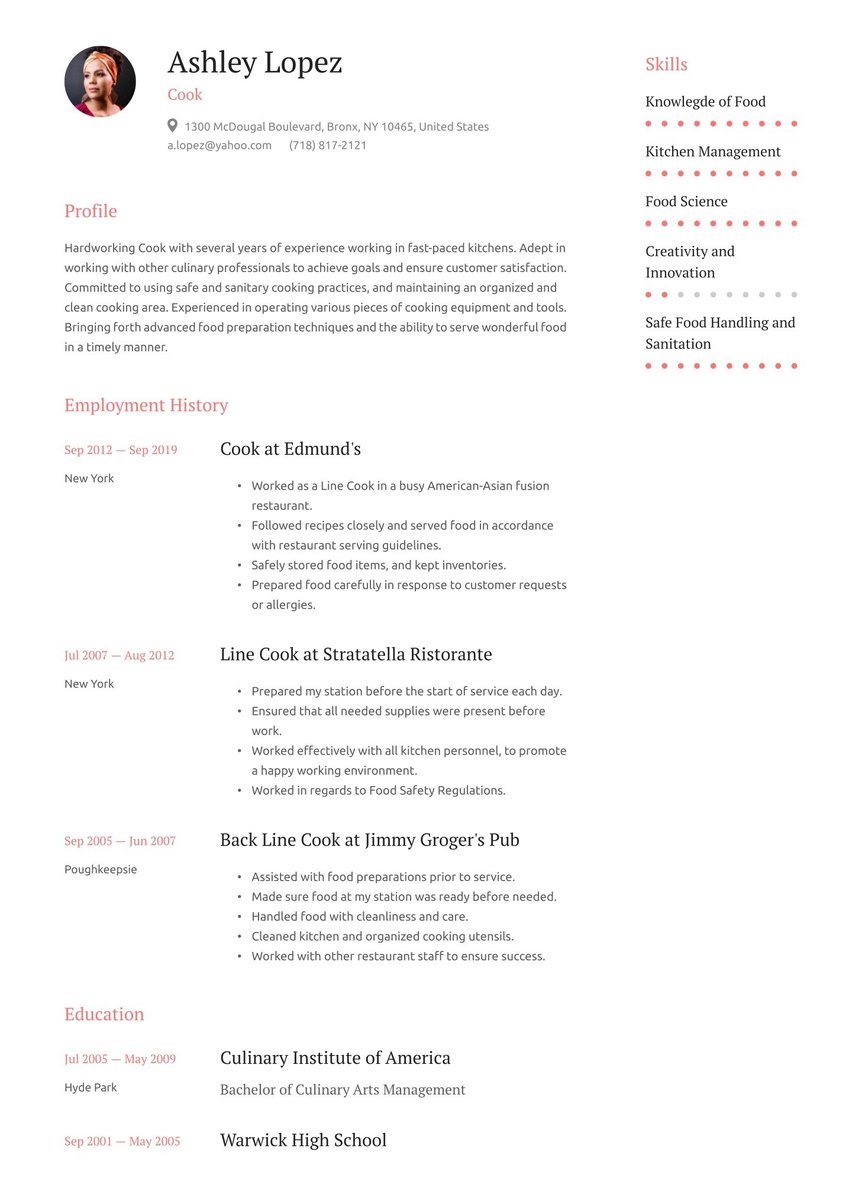
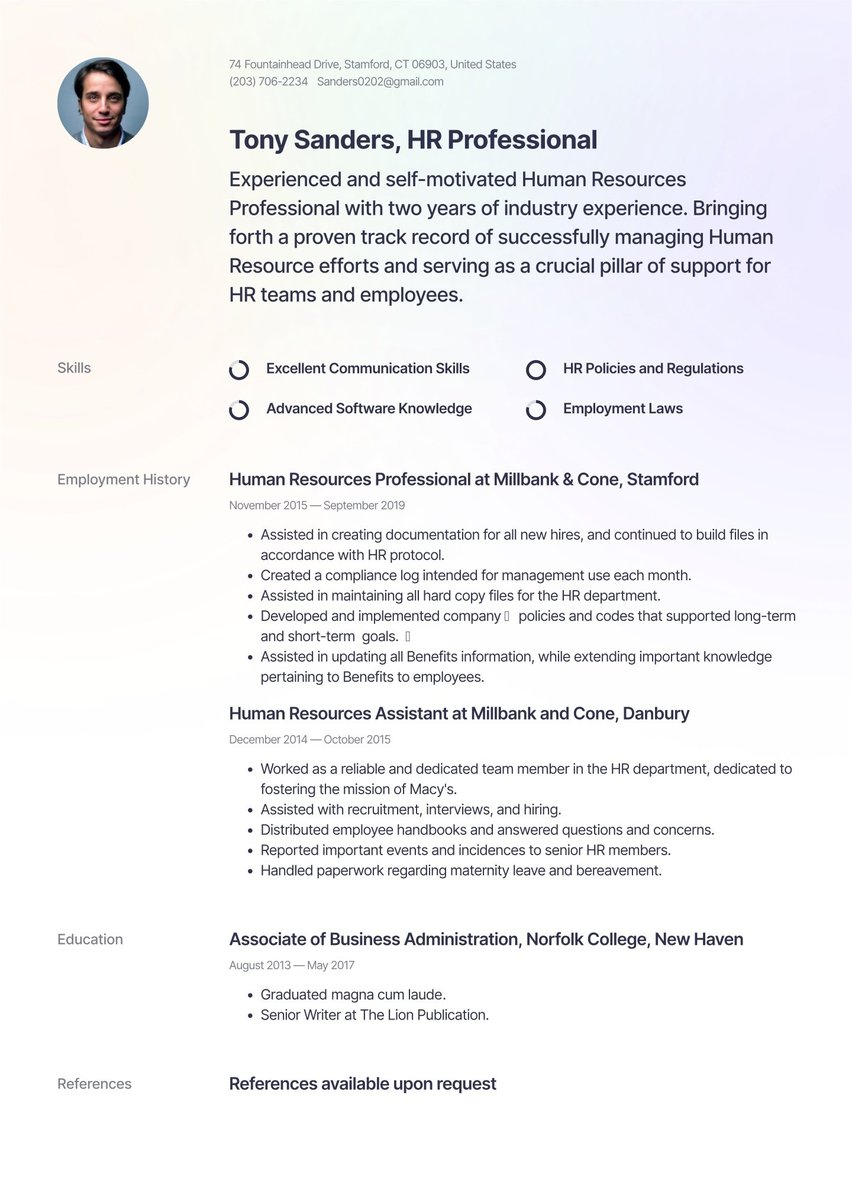
Engineered for polished professionalism, this sleek, organized layout highlights your leadership and negotiation skills as a Property Manager. Its clean structure and subtle accents showcase your expertise, driving confidence and trust with clients and employers.
Real Estate Coordinator resume example

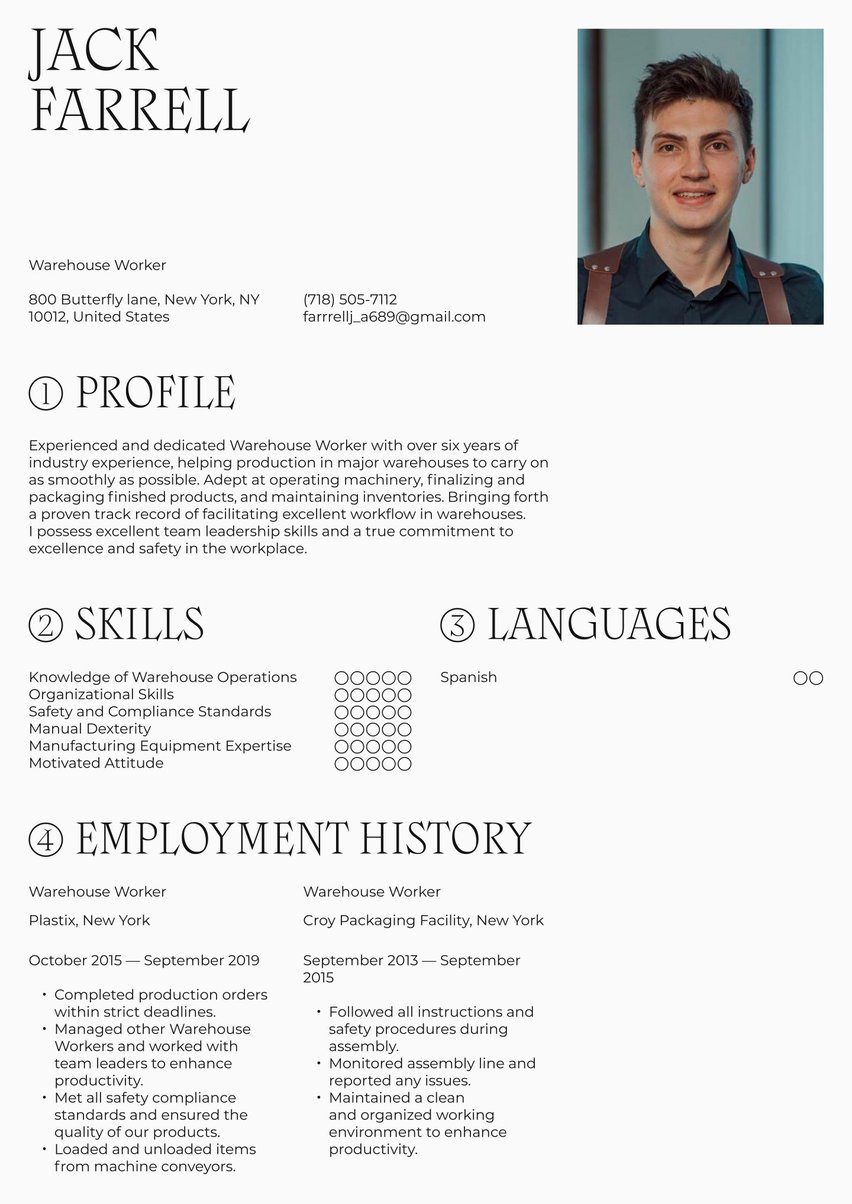
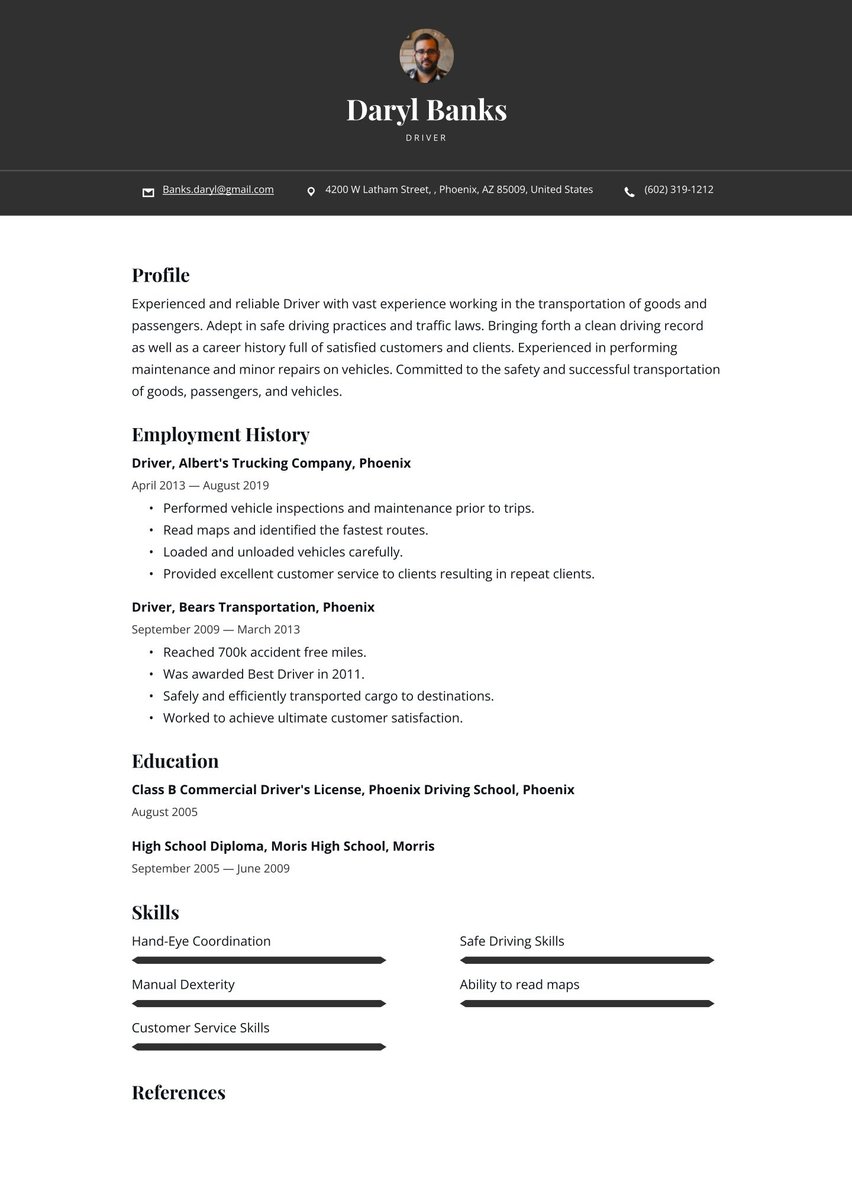
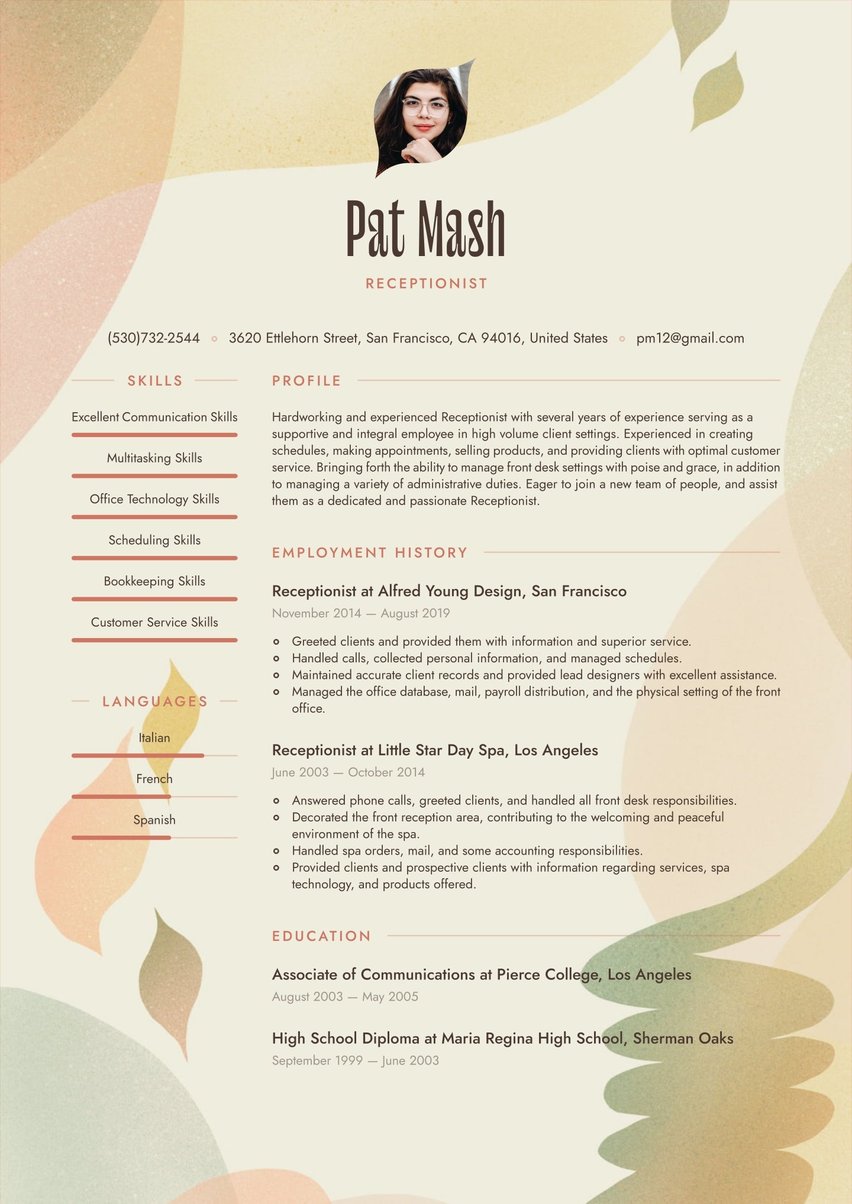
A smart fit for Real Estate Coordinators, this clean, professional layout highlights your organizational skills and multitasking expertise. Its structured sections and subtle accents showcase your experience and certifications, impressing both clients and hiring managers.
Leasing Consultant resume example

Shaped for Leasing Consultants, this sleek, organized layout highlights your sales expertise and customer service finesse. Its clean structure and subtle accents showcase your professionalism, helping you connect with property managers and prospective tenants alike.
How to write a realtor resume
A strong realtor resume follows a clear, consistent structure that lets hiring managers and brokerages quickly assess your value.
Use a reverse-chronological format (most recent role first) and keep the document to one page unless you have over ten years of experience.
Each section should build a picture of a professional who closes deals, builds client trust, and understands the market.
1. Start with a clear, professional header
Your header is the first thing a hiring manager sees, so it needs to be complete and easy to scan.
Include your full name, professional title, a professional email address, phone number, city and state, and a link to your LinkedIn profile if it is up to date.
Use "Realtor" as your title if you are a member of the National Association of Realtors, it signals a professional standard immediately.
Leave off your full street address, date of birth, marital status, and anything else unrelated to the role.
- Example: Lisa Smith | Licensed Realtor | lisa.smith@email.com | (294) 391-4732 | Denver, CO | linkedin.com/in/lisa-smith
- Expert tip: Avoid using a current work email address if you are applying while still at another brokerage. Set up a simple personal address using your name or initials, and record a professional voicemail greeting in case a recruiter calls and you miss it.
2. Keep it to one page (in most cases)
A realtor resume should be one page in almost all cases, because hiring managers make fast decisions and a focused document always reads better than a padded one.
If you have more than ten years of experience spanning multiple brokerages or markets, a second page is acceptable but every line needs to earn its place.
Removing older roles, condensing bullet points, and tightening your summary will usually get you back to one page without losing anything important.
If something on page two cannot be summarized or cut, ask honestly whether it strengthens your candidacy or just fills space.
- Example: A realtor with eight years of experience across two brokerages should comfortably fit their full history, summary, skills, and education on one page by keeping bullet points to three or four per role and writing a two-sentence summary.
- Expert tip: If your resume is spilling onto a second page by just a few lines, check your margins and font size before cutting content. Reducing margins slightly and using a 10.5pt font rather than 12pt can recover space without sacrificing readability.
3. Write a summary that leads with your results
Your summary sits at the top of your resume and sets the tone for everything below it.
In two to three sentences, it should reflect your experience level, your strongest measurable achievement, and the market or type of work you are targeting.
Avoid vague phrases like "dedicated professional" or "results-driven team player", these appear on thousands of resumes and say nothing specific about you.
Lead with a number or a concrete result wherever you can, because that is what makes a hiring manager keep reading.
- Example: Licensed Realtor with six years of residential experience in the Denver market, having closed $12M in sales over the past two years and maintained a 97% client satisfaction rate.
- Expert tip: Tailor your summary for each application. If the brokerage specializes in luxury listings, lead with your high-value transaction experience. If it is a high-volume residential team, front-load your closing numbers and transaction count. One sentence changed per application can make a significant difference.
4. Show what you achieved, not just what you did
Your employment history section is where most realtor resumes lose ground, because listing responsibilities tells a hiring manager nothing they do not already expect.
Showing properties, managing listings, and assisting clients are assumed parts of the role, what sets you apart is the outcome of that work.
For every position, write bullet points that lead with an action verb and close with a result, using dollar amounts, percentages, client volumes, or timelines wherever possible.
If you are struggling to find numbers, think about your best month, your busiest quarter, or any process you improved, and work backward from there.
- Example: Managed 30+ active listings simultaneously, reducing average days on market by 18% through targeted digital marketing and proactive buyer outreach.
- Expert tip: Not every achievement has to be a sales figure. Client satisfaction scores, referral rates, lead conversion percentages, and team contributions all count as results. If your brokerage tracks any performance data, those numbers belong on your resume.
5. List your license and any designations clearly
Your real estate license is a non-negotiable credential and it should be easy to find on your resume.
List it in your education section or a dedicated certifications section, including the state of licensure and the expiration date, so hiring managers can verify it without having to ask.
If you hold additional designations, such as Accredited Buyer's Representative (ABR) or Certified Residential Specialist (CRS), include those too, as they signal specialization and a commitment to professional development.
Membership in the National Association of Realtors is also worth listing, as it carries a recognized code of ethics that many brokerages value.
- Example: Licensed Realtor - Colorado License #FA123456, expires June 2027 Accredited Buyer's Representative (ABR), National Association of Realtors Member, National Association of Realtors since 2018
- Expert tip: If your license is close to its renewal date, renew before you apply where possible. A license expiring in the next few months can raise a flag for hiring managers, even if unintentionally.
What should a realtor put on a resume?
A realtor resume needs five core sections: a header with contact details, a professional summary, an employment history, a skills section, and an education and certifications section.
Each section carries a specific job, and none should be skipped.
Beyond the basics, strong realtor resumes also include measurable sales achievements, relevant technology tools (MLS, CRM platforms, DocuSign), and any professional memberships or designations that signal credibility.
Here is a quick reference for what belongs in each section:
| Section | What to include |
|---|---|
| Header | Name, title, email, phone, city/state, LinkedIn |
| Summary | Experience level, key achievement, target market or specialty |
| Experience | Roles, dates, quantified bullet points |
| Skills | Hard skills (MLS, CMA, negotiation) and soft skills (communication, client management) |
| Education and licenses | Degree, real estate license (state and expiration), designations |
What are realtor job duties to include on a resume?
The job duties you list on a realtor resume should reflect outcomes, not a job description.
Recruiters and brokerages already know what a realtor does day to day.
What they want to see is evidence of how well you did it, so avoid writing duties like these:
- Managed property listings
- Attended open houses
- Assisted clients with buying and selling
Rewrite them as achievements:
- Managed 30+ active listings simultaneously, reducing average days on market by 18% through targeted digital marketing
- Hosted 50+ open houses over 12 months, contributing to a 15% increase in offers received
- Guided 40+ clients through purchase and sale transactions, achieving a 98% satisfaction rate
Strong action verbs to use:
- Negotiated
- Closed
- Prospected
- Listed
- Marketed
- Coordinated
- Advised
- Generated
- Converted
- Mentored
If you are writing your first realtor resume and have limited transaction history, describe your contributions within a team, any shadowing or training completed, and transferable skills from prior roles in sales, customer service, or marketing.
What skills should a realtor list on a resume?
Skills are one of the first things recruiters look at on a resume with 41% of hiring managers reviewing the skills section before reading anything else.
Your skills section should be a focused, scannable list that balances technical knowledge with the interpersonal strengths that define strong client work.
Hard skills for a realtor resume
- Multiple Listing Service (MLS)
- Comparative Market Analysis (CMA)
- Contract negotiation
- Property listing management
- Lead generation
- CRM software (Salesforce, HubSpot, Follow Up Boss)
- DocuSign and digital transaction management
- Marketing and social media campaigns
Soft skills for a realtor resume
- Client relationship management
- Negotiation and persuasion
- Communication (written and verbal)
- Time management
- Problem-solving
- Adaptability
Do not rely on the skills section alone to carry this.
The strongest resumes weave skill examples into the employment history too, showing negotiation in a deal outcome, or client management in a referral rate, makes the claim far more credible than a bullet in a list.

How do you write a realtor resume summary?
A realtor resume summary is a two to three sentence statement at the top of your resume that gives a hiring manager an immediate sense of your experience, your strongest result, and your professional focus.
It replaces the outdated objective statement and should never be generic.
The formula that works:
Experience level + specialization or market + top achievement + what you bring to the role = well-covered summary
Entry-level example
Motivated Realtor at the start of a client-facing career, with hands-on experience supporting transactions and open houses in the New York market. Strong foundation in client communication, MLS navigation, and real estate principles, with a proactive approach to building lasting buyer and seller relationships.
Mid-level example
Experienced Realtor serving the greater New York area with a consistent record of high client satisfaction and successful closings across residential properties. Skilled in managing multiple listings, guiding first-time buyers, and negotiating favorable terms in a competitive market.
Senior-level example
Distinguished Realtor with a proven track record in high-value residential negotiations and strategic sales planning across the New York market. Recognized for innovative marketing approaches that have grown client portfolios and driven repeat referrals, with deep expertise in real estate law, investment strategy, and team mentorship.
The best summaries are specific, so if you closed $8M in sales last year, say so.
If you specialize in first-time buyers or luxury properties, name it.
Vague summaries blend into the background; specific ones get read.
How can a realtor resume stand out to potential employers?
A realtor resume stands out when it reads like a track record rather than a job description.
Most candidates list what they were responsible for but the ones who get called back show what they accomplished, in numbers, with context.
A few practical ways to differentiate:
- Quantify everything you can: Sales volume, number of closings, days on market, client satisfaction scores, referral rates, any figure that proves performance.
- Tailor the resume to the brokerage: Research the firm before applying. If they specialize in luxury listings, emphasize your experience in that segment. If they are a high-volume residential team, highlight your transaction count and efficiency.
- Name the tools you use: Many realtors leave CRM platforms, MLS systems, and marketing tools off their resume. Listing them signals that you can hit the ground running.
- Lead every bullet with a verb and end with a result: "Negotiated contracts for 25+ buyers annually, securing an average of 3% below asking price" is far stronger than "responsible for buyer negotiations."
How do I tailor my realtor resume for a specific job application?
Read the job posting carefully and map your resume to it.
If the posting lists specific skills, tools, or market focus areas, make sure your resume reflects those where they genuinely apply to your experience.
Mirror the language in the posting, if they say "client acquisition," use that phrase rather than "lead generation."
Check that your summary directly addresses the role, and adjust your top bullet points in the experience section to front-load the achievements most relevant to that brokerage.
A resume tailored to one firm will always outperform a general version sent to ten.
Realtor job market and salary outlook
The real estate job market moves with the broader economy, when consumer confidence is strong and interest rates are favorable, transaction volumes rise and brokerages hire.
According to the U.S. Bureau of Labor Statistics, there will be around 46,000 job openings for real estate brokers and salespeople each year over the next decade, with employment projected to grow at around 3%.
By 2033, an estimated 438,700 realtors will be working in the United States.
Compensation is largely commission-based, with a median annual income of approximately $68,051 according to Payscale, though the top 10% of earners exceed $152,000 annually.
The wide earnings range reflects differences in market, specialization, and hours worked rather than seniority alone.
For realtors updating their resume, this context matters: brokerages prioritize candidates who can demonstrate self-motivation and a results-driven approach, because the role is inherently performance-dependent.
Frequently asked questions
Here are answers to some of the most common questions about writing a realtor resume.
What format should a realtor resume use?
Most realtors should use a reverse-chronological format, listing the most recent role first and working backward.
This is the format hiring managers expect and the one applicant tracking systems handle most reliably.
If you are new to the industry and have limited transaction history, a functional or hybrid format that emphasizes transferable skills and education can work well.
What keywords should I use in my realtor resume?
Use keywords drawn directly from the job posting you are applying to.
Common terms that appear in realtor job descriptions include: MLS, CMA, contract negotiation, property listings, lead generation, client relationship management, and DocuSign.
Including these in your summary, skills section, and experience bullets helps your resume pass ATS screening and signals relevance to the hiring manager.
Are there specific templates for realtor resumes?
Yes, Resume.io offers professionally designed templates built for readability and ATS compatibility with realtor job applications.
A clean, single-column or two-column layout works well for realtors, avoid heavy graphics or unusual fonts that can confuse ATS software.
What matters most is that your template makes the content easy to read over: clear headings, consistent formatting, and enough white space to guide the reader's eye.
How long should a realtor resume be?
One page in almost all cases.
If you have ten or more years of experience across multiple markets or brokerages, a second page is acceptable but every line should justify its presence.
Hiring managers make fast decisions, and a focused one-page resume almost always makes a stronger first impression than a longer one with filler.
How do I tailor my realtor resume for a specific job application?
Match your resume language to the job posting.
Adjust your summary to reflect the brokerage's focus, front-load your most relevant achievements in the experience section, and make sure the skills you list mirror the ones the posting calls out.
Small, targeted changes to each version of your resume will consistently outperform a single generic document sent to multiple firms.
Find more realtor-related resume templates and examples below: