


The most common jobs for teens are in retail, food service, childcare, pet care, yard work, and recreation, and the right one fits your school schedule and gives you a reference for the next step in your career.
Under federal law, most teens can start a formal job at 14, with limits on hours until 16.
Below are 26 jobs, what they pay, and where to apply for each.
What are the best jobs for teens in the US?
The jobs for teens that are easiest to land and fit around school include babysitting, pet care, retail, fast food, restaurant hosting, and grocery work.
Lifeguarding, camp counseling, and tutoring suit teens with a certification or a strong school subject.
Your age, your schedule, and how you get around will narrow the list quickly.
The table gives a quick view of each role.
Detail on every job, including where to apply, follows below.
| Job | Typical starting age | Schedule fit |
|---|---|---|
| Babysitter | No legal minimum for informal work | Evenings and weekends |
| Pet sitter or dog walker | No legal minimum for neighborhood work | Before and after school |
| Lawn and yard worker | Any age for neighbors, 14+ for employers | Weekends and summer |
| Retail sales associate | 14+ federally, 16+ at many chains | After school and weekends |
| Cashier | 14+ | After school and weekends |
| Grocery bagger or stocker | 14+ | After school and weekends |
| Fast-food or café crew member | 14+, with kitchen limits until 16 | After school and weekends |
| Restaurant host | 14+ | Evenings and weekends |
| Busser | 14+ | Evenings and weekends |
| Dishwasher | 14+ | Evenings and weekends |
| House cleaner | Any age for neighbors | Flexible |
| Car wash attendant | 14+ for hand washing | Weekends and summer |
| Lifeguard | 15+, with certification | Summer and weekends |
| Camp counselor | Often 16+, younger as counselor in training | Summer |
| Amusement park worker | Varies by role | Seasonal weekends and summer |
| Movie theater worker | 14+ for concessions and tickets | Evenings and weekends |
| Tutor | No legal minimum for private tutoring | After school |
| Youth sports referee | Set by each league | Weekends in season |
| Assistant coach | Set by each league | After school and weekends |
| Golf caddy | Set by each club | Weekends and summer |
| Library page | Varies by library system | After school |
1. Babysitter
Babysitters look after children while parents work or go out, which often means meals, homework help, and bedtime routines.
It is one of the few jobs open to younger teens, and families hire on trust more than experience.
A babysitting or first aid course from a provider like the Red Cross makes parents more comfortable leaving you in charge.
- Where to apply: Start with neighbors and family friends, then ask families you sit for to pass your name on. Local parent groups on social media are the next step.

2. Pet sitter or dog walker
Pet sitters feed and check on animals while owners travel, and dog walkers handle daily exercise for busy owners.
The work fits before and after school, and a few regular clients can turn it into steady income.
Reliability matters most, because a missed walk is the fastest way to lose a client.
- Where to apply: Neighbors, vet offices, and community boards. Some pet-care apps require users to be 18, so younger teens tend to build clients locally.
3. Lawn and yard worker
Yard work covers mowing, raking, weeding, planting, and shoveling snow once winter arrives.
Federal rules limit which power tools younger teens can use for an employer, so 14- and 15-year-olds generally start with hand tools and neighborhood jobs.
Older teens can join landscaping crews for summer and weekend shifts.
- Where to apply: Neighbors first, then local landscaping and lawn care companies, golf courses, and parks departments.
4. Retail sales associate
Retail sales associates help customers, restock shelves, organize displays, and run the register.
The role works well for teens who like talking to people, and holiday hiring gives first-timers a way in each fall.
Retail work is legal from 14, though many large chains set their own minimum at 16.
- Where to apply: Career pages for clothing, book, and specialty stores, plus seasonal openings at malls.
5. Cashier
Cashiers ring up purchases, handle cash and cards, and answer quick questions at checkout.
The role teaches accuracy and calm under pressure, and those habits carry into almost any later job.
Expect to stand for most of a shift and to deal with the occasional frustrated customer.
- Where to apply: Grocery stores, pharmacies, hardware stores, and movie theaters.
6. Grocery bagger or stocker
Baggers pack orders and collect carts, while stockers unload deliveries and keep shelves full.
Grocery stores hire teens year-round, and the predictable routine helps when you are balancing school.
Stocking is a good fit for teens who would rather work behind the scenes than at a register.
- Where to apply: Supermarket career pages and local independent markets. Ask at the customer service desk whether the store accepts walk-in applications.
7. Fast-food or café crew member
Crew members take orders, prepare food, run the drive-through, and clean between rushes, and baristas add coffee drinks to the mix.
Fast-food workers spend whole shifts on their feet, so the job rewards teens with plenty of energy.
Federal law allows only limited cooking at 14 and 15, which is why younger teens tend to start at the counter.
- Where to apply: Chain career pages and the restaurant itself. Many locations are franchises, so the manager on site often makes the hiring decision.
8. Restaurant host
Hosts greet guests, manage the waitlist, seat tables, and answer the phone.
The job rewards a friendly manner more than experience, and family restaurants regularly hire younger teens for it.
Hosting is also a natural step toward bussing or serving as you get older.
- Where to apply: Family restaurants, diners, and pizza places. Restaurants that serve alcohol may set higher age limits for some roles.
9. Busser
Bussers clear and reset tables, refill water, and keep the dining room moving during busy periods.
Many restaurants hire bussers from 14 because the role avoids alcohol service and most kitchen equipment.
Some servers share tips with bussers, so ask how pay works at the interview.
- Where to apply: Restaurants and hotel dining rooms in areas with busy evenings and weekends.
10. Dishwasher
Dishwashers clean dishes and cookware and help keep the kitchen organized.
The work is hard and fast, but kitchens need dishwashers on every shift and rarely ask for experience.
The dish station is also a common route into cooking jobs later on.
- Where to apply: Restaurants, cafés, catering companies, and hotel kitchens.
11. House cleaner
House cleaners vacuum, dust, mop, and tidy homes, typically on a weekly or biweekly schedule.
Teens mostly clean for neighbors or family friends, since cleaning companies tend to hire only adults.
Agreeing on tasks and pay up front prevents awkward conversations later.
- Where to apply: Neighbors, family friends, and community boards.
12. Car wash attendant
Car wash attendants wash and dry vehicles, vacuum interiors, guide drivers through the wash, and take payments.
Teens aged 14 and 15 can legally wash cars by hand, which makes car washes a common first job.
Expect outdoor work in all weather.
- Where to apply: Car washes, auto detail shops, and some gas stations.
13. Lifeguard
Lifeguards watch swimmers, enforce pool rules, and respond to emergencies.
The role requires a certification covering rescue skills, CPR, and first aid, and you can start at 15 at traditional pools.
Employers trust lifeguards with real responsibility, and future employers notice it on a resume.
- Where to apply: Community pools, YMCAs, water parks, and city parks departments. Many run certification courses ahead of summer hiring.
14. Camp counselor
Camp counselors lead activities, supervise groups of children, and help camps run smoothly.
Paid counselor roles often start at 16, while younger teens can apply as counselors in training.
Leadership skills grow quickly, because you are responsible for children all day.
- Where to apply: Day camps, overnight camps, YMCAs, and parks departments. Applications for summer jobs like this typically open in late winter.
15. Amusement park worker
Amusement park workers run games, sell food and tickets, guide guests, and help operate rides.
Parks hire large seasonal teams, so they are used to training first-time workers.
Ride operation roles generally carry higher minimum ages than food and games.
- Where to apply: Park career pages, ideally in early spring before the season opens.
16. Movie theater worker
Theater staff sell tickets, run concessions, check tickets at the door, and clean auditoriums between showings.
Weekend and evening shifts fit around school, though 14- and 15-year-olds cannot take late shifts during the school year.
The work is social and fast-paced on opening weekends.
- Where to apply: Theater chain career pages and independent cinemas.
17. Tutor
Tutors help younger students with homework, test prep, or a subject they find hard.
Teens who are strong in math, science, or a language can tutor around their own studies and build teaching skills at the same time.
Ask a teacher for a short recommendation you can share with parents.
- Where to apply: Families you know, school counselors, libraries, and tutoring centers.
18. Youth sports referee
Referees and umpires officiate games for younger players, normally after a short certification course run by the league.
Weekend tournaments mean steady work in season, and leagues commonly pay per game.
The job builds confidence, because you will make calls that not every parent agrees with.
- Where to apply: Local youth leagues, recreation departments, and state sports associations.
19. Assistant coach
Assistant coaches help run practices, organize equipment, and support the head coach with younger players.
Teens who already play a sport know the drills, and former coaches are usually happy to recommend them.
Some roles start as volunteer positions, which still count on a resume.
- Where to apply: Youth leagues, school programs, and sports camps.
20. Golf caddy
Caddies carry bags, track clubs, and help golfers read the course.
Clubs train new caddies, and the role puts teens in regular conversation with adults who can become useful references.
Some clubs also connect long-serving caddies with scholarship programs.
- Where to apply: Private clubs and public golf courses, mostly in spring.
21. Library page
Library pages reshelve books, tidy collections, and help with events and summer reading programs.
The work is quiet and predictable, which appeals to teens who prefer fewer customer interactions.
Openings tend to be limited, so check regularly.
- Where to apply: Your local public library’s website or your city’s jobs site.

What are good online jobs for teens?
Good online jobs for teens include social media help for local businesses, freelance design or video editing, website testing, online reselling, and data entry.
Many remote jobs for teens run through platforms that require an adult to hold the account, so a parent or guardian needs to be involved from the start.
| Job | What you do | Age note |
|---|---|---|
| Social media assistant | Schedule posts, reply to comments, and create simple content for local businesses | Mostly informal, agreed directly with the owner |
| Freelance graphic or video editor | Design flyers, edit short videos, or create social graphics | Many freelance platforms require 18 or an adult account holder |
| Website and app tester | Try sites and apps, then give recorded or written feedback | Testing platforms set their own minimum ages |
| Online reseller | Sell clothes and items you no longer use | Selling platforms generally need an adult to manage payouts |
| Data entry or virtual assistant | Enter information, organize files, and manage email for a small business | Often found through family or local contacts |
Teens interested in social media or graphic design get further with a few sample projects to show clients, even unpaid ones for a school club.
Data entry works well for detail-focused teens, and small local businesses are more open to younger workers than large remote employers.
Online work also comes with more scams than in-person jobs.
These rules keep you safe:
- Never pay to start: A real employer does not charge you for training, equipment, or software.
- Protect your details: Share your Social Security number or bank details only after a parent has confirmed the employer is real.
- Keep an adult involved: A parent or guardian should review any offer or platform agreement before you accept it.
- Trust your instincts: Walk away from any job that promises high pay for very little work.
What are the highest-paying jobs for teens?
Among jobs teens can realistically get, tutoring and landscaping pay the most, followed by camp work, house cleaning, retail, and pet care.
Lifeguarding pays less than many teens expect, given the certification it requires. Independent work like babysitting pays whatever rate you and the family agree.
The table ranks teen-friendly roles by national median hourly pay for all workers in each occupation, using US Bureau of Labor Statistics data for May 2025.
Starting pay tends to sit below the median, because the median includes experienced workers.
| Teen job | BLS occupation | Median hourly pay |
|---|---|---|
| Tutor | Tutors | $20.84 |
| Lawn and yard worker | Landscaping and groundskeeping workers | $18.82 |
| Camp counselor | Recreation workers | $17.58 |
| House cleaner | Maids and housekeeping cleaners | $17.07 |
| Retail sales associate | Retail salespersons | $17.03 |
| Pet sitter or dog walker | Animal caretakers | $17.00 |
| Babysitter | Childcare workers | $16.82 |
| Dishwasher | Dishwashers | $16.73 |
| Busser | Dining room and cafeteria attendants | $16.34 |
| Lifeguard | Lifeguards and recreational protective service workers | $16.14 |
| Movie theater worker | Ushers, lobby attendants, and ticket takers | $15.82 |
| Cashier | Cashiers | $15.81 |
| Amusement park worker | Amusement and recreation attendants | $15.46 |
| Fast-food or café crew member | Fast food and counter workers | $15.00 |
| Restaurant host | Hosts and hostesses | $15.00 |
The BLS survey leaves out self-employed and private household work, so it does not capture neighborhood babysitting and dog walking rates.
Pay is only part of the decision, because a lower-paying job ten minutes from home can leave you with more money and more free time than a better-paid one that needs two buses each way.
Count travel time and cost before you compare offers.
What are the best weekend jobs for teenagers?
The best weekend jobs for teenagers are roles that need extra hands on Saturdays and Sundays, such as restaurant hosting, bussing, grocery work, car washing, refereeing, caddying, and babysitting.
Weekend demand means these employers can give teens full shifts when school is out, without clashing with weekday classes.
| Job | Why it works on weekends |
|---|---|
| Restaurant host or busser | Restaurants are busiest on Friday and Saturday nights |
| Grocery bagger or stocker | Weekend shopping peaks create extra shifts |
| Car wash attendant | Most customers wash their cars on weekends |
| Youth sports referee | Games and tournaments run on Saturdays and Sundays |
| Golf caddy | Weekend rounds keep caddies busiest |
| Babysitter | Parents book sitters for weekend evenings |
| Movie theater worker | Weekend showings draw the biggest crowds |
| Amusement park worker | Many parks open only on weekends outside summer |
Weekend availability is a real selling point for teens, because many employers need extra cover on Saturdays and Sundays.
Weekends also give younger teens the most hours, since 14- and 15-year-olds can work up to 8 hours on a non-school day, according to the US Department of Labor.
State exactly which weekend hours you can cover when you apply.
Which companies hire teens, and how do you apply?
Grocery chains, fast-food restaurants, big-box retailers, movie theaters, amusement parks, and community organizations like the YMCA commonly hire teens.
Fast-food franchises often hire from 14 or 15 where state law allows, while big-box retailers tend to start at 16.
Apply on the company’s careers page, then follow up in person.
Teen-friendly employers fall into a few groups:
- Grocery stores: Chains like Kroger, Publix, and Safeway, plus local markets, hire baggers, cart attendants, and stockers, with ages set by state and store.
- Fast food and quick service: McDonald’s, Chick-fil-A, and Wendy’s locations are often franchises, so the minimum age varies from one restaurant to the next.
- Big-box retail: Target and Walmart generally require store team members to be at least 16.
- Recreation: YMCAs, city pools, parks departments, movie theaters, and amusement parks hire large seasonal teams.
- City youth programs: Many cities run summer youth employment programs, such as Boston’s youth jobs program, that place teens with local employers.
The easiest places to get hired are not always the most supportive first jobs.
In a Resume.io analysis of Glassdoor reviews, retail and fast-food chains filled most of the bottom places for junior employee satisfaction.
Junior employees rated McDonald’s 3.54 out of 5, one of the 10 lowest scores across 54 major US companies (Resume.io, Company Satisfaction Report, 2024).
Amanda Augustine, a certified career coach and professional resume writer, says early-career workers now weigh more than the paycheck: “While pay still matters, it’s no longer the sole deciding factor. Early-career employees are looking more holistically at the employee experience.”
Individual locations vary widely, so use the interview to judge the experience a store or restaurant offers:
- How long is training, and who runs it?
- Who will I report to day to day?
- How do you schedule shifts around exams and school events?
- Do I need to pay for my own uniform?
You can search open roles near you with the Resume.io job search.
How can teens get hired with no experience?
Teens get hired without experience by applying early, applying in person where possible, and showing reliability through school, sports, or volunteering.
Employers hiring for first jobs look for availability, a positive attitude, and signs that you will show up.
A simple one-page resume and a short, confident introduction are usually enough.
- Check what you can legally do: Find out whether your state requires a work permit, which your school can usually issue.
- Decide whether a role fits your life: Before applying, decide whether a job is worth applying for based on your schedule and how you will get there.
- Prepare a short resume: A resume with no experience can still fill one page with school, activities, and informal work.
- Apply early: Seasonal roles often fill weeks before they start, so apply as soon as postings appear.
- Walk in when you can: Visit at a quiet time of day, ask for the manager, and bring a printed resume.
- Tell people you are looking: Teachers, coaches, neighbors, and family friends often hear about openings first.
- Prepare for a short interview: Practice answering common questions out loud, with examples that show your communication skills and other soft skills like punctuality.
- Follow up: A short call or visit later that week shows the interest managers want to see.
Why is Gen Z struggling to get jobs?
Gen Z teens are entering a much smaller teen job market than earlier generations did.
36.5% of teens aged 16 to 19 were employed in July 2026, compared with 67.5% of young adults aged 20 to 24 (US Bureau of Labor Statistics, 2026).
Personal connections add to the challenge. 76.8% of Gen Z workers say who you know matters most in hiring (Resume.io, Nepotism at Work Report, 2025).
For teens, telling teachers, coaches, and neighbors that you are looking is one of the most useful moves available, and rejections or unanswered applications are a normal part of a first search in a tight market.
What should teens include on their resume when applying for jobs?
A teen resume should include contact details, a one- or two-line objective, education, any paid or informal work, volunteering, activities, skills, and certifications like CPR.
School, sports, and babysitting all count as experience at this stage.
Keep it to one page and tailor the skills to each job.
A strong teen resume covers:
- Contact details: Name, phone number, a professional email address, and your city and state.
- Objective: One or two lines on the job you want and what you bring.
- Education: Your school, expected graduation date, and relevant classes.
- Experience: Babysitting, yard work, family business help, and any paid roles.
- Activities and volunteering: Sports, clubs, and community work, with any leadership roles.
- Skills and certifications: Customer service, languages, computer skills, and CPR or lifeguard cards.
A realistic objective for a first job resume might read: “Reliable high school junior seeking weekend cashier work. Two years of babysitting for three families, and CPR certified.”
Specific details like those carry more weight than general claims about being hardworking, and achievements such as an honor roll place or a fundraising total add even more.
Leave out your age, a photo, and your Social Security number.
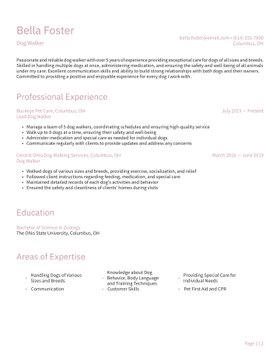
A one-page resume is standard for teens, and this high school student example shows a layout that works.
A simple, single-column format is easiest for managers to scan, whether you write it in a word processor, a resume builder, or one of the resume templates.
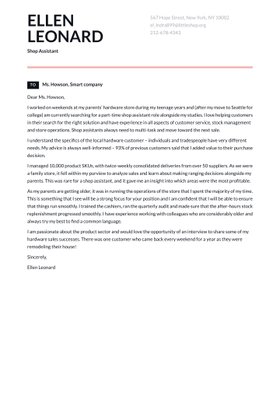
Adding a few sentences on why you want the job is enough when an employer asks for a cover letter.
Key takeaways
- Choose a first job by schedule and travel time as well as pay, because a nearby role that pays less can leave you with more money and more free time.
- The employers that hire teens most readily vary widely from one location to the next, so judge the manager and the training at the interview.
- Online work is possible for teens but usually needs a parent on the account, and any job that asks you to pay upfront is a scam.
- Applying early, applying in person, and telling people you know that you are looking all improve your odds without experience.
- A one-page resume built from school, sports, volunteering, and informal work like babysitting is enough for a first job.
FAQs
Here are answers to the questions teens and parents ask most about first jobs.
Are there any legal restrictions for teenagers working part-time?
Yes. Federal law sets 14 as the minimum age for most jobs for teens and minors.
During the school year, 14- and 15-year-olds can work no more than 3 hours on a school day and 18 hours in a school week, and only between 7 a.m. and 7 p.m., with the evening limit extended to 9 p.m. from June 1 through Labor Day, according to the US Department of Labor.
From 16, federal law sets no hour limits, though hazardous jobs stay off-limits until 18, and many states add their own work permit rules.
What is the best job to get as a teen?
No single job fits every teen. Grocery, retail, and fast-food roles are the easiest to land, babysitting and pet sitting offer the most flexibility, and tutoring pays more for teens with a strong school subject.
A job you can keep through a full school year is worth more than a short-lived one that pays slightly more.
What jobs can you get at 16 or 17?
At 16 or 17, you can do almost any non-hazardous job, with no federal limits on hours.
That opens up evening restaurant shifts, retail roles at large chains like Target and Walmart, paid camp counselor positions, and longer summer hours.
Jobs involving driving as a main duty, most power-driven equipment, or serving alcohol generally stay closed until 18.
What is the best paid job at 16?
Tutoring and landscaping pay the most among jobs open to 16-year-olds, followed by camp work, house cleaning, and retail, based on national median pay data.
Independent work such as babysitting pays whatever rate you and the family agree.
Can I work at Target at 15?
No. Target generally requires store team members to be at least 16, and distribution center roles start at 18.
At 15, grocery stores, fast-food restaurants, and movie theaters are more likely to hire you, depending on your state.
What are good jobs for teens with anxiety?
Good jobs for teens with anxiety usually involve smaller teams, predictable tasks, and less time with customers.
Dog walking, library page work, stocking shelves, and yard work all fit that description while still building confidence and work history.
Starting with a few short shifts a week can make the adjustment easier.