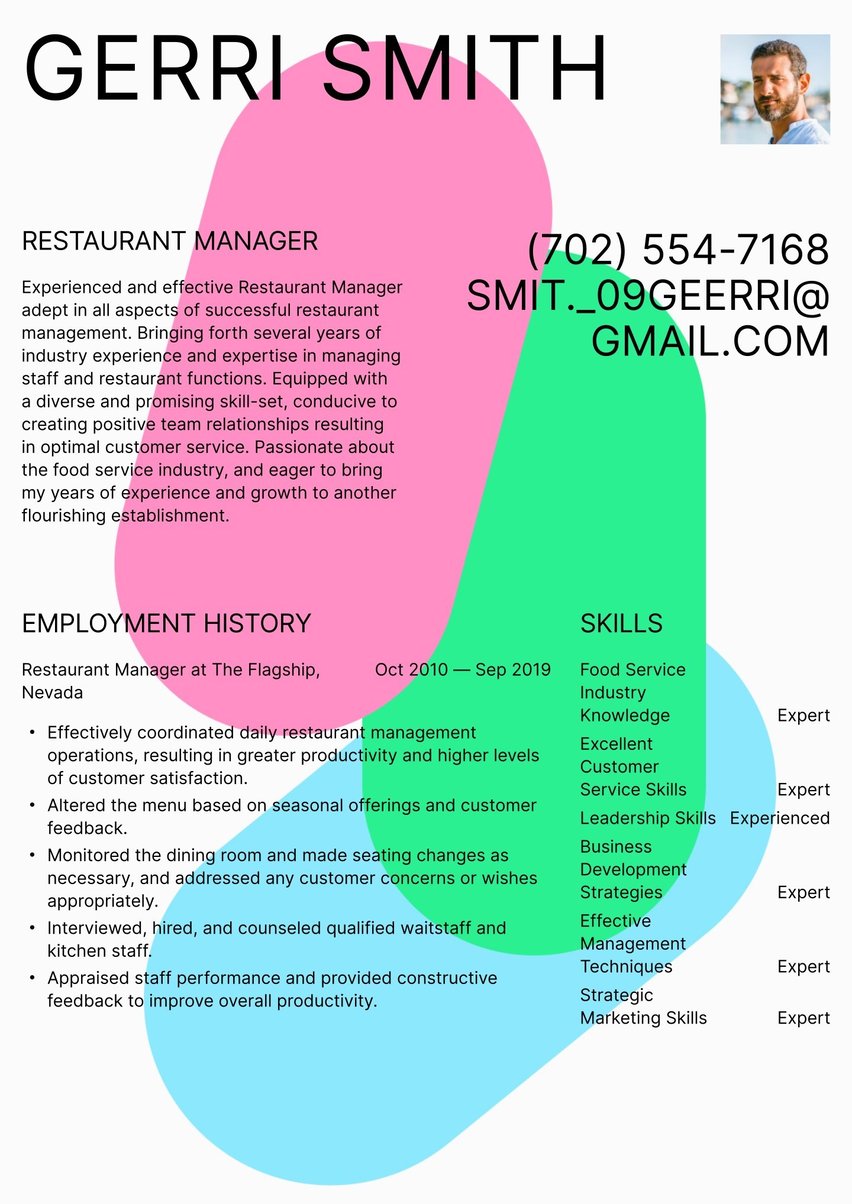

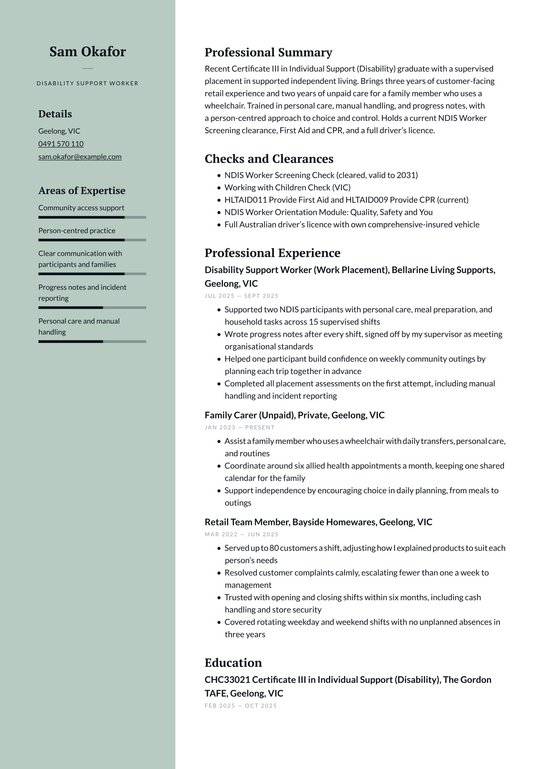
Recent Certificate III in Individual Support (Disability) graduate with a supervised placement in supported independent living. Brings three years of customer-facing retail experience and two years of unpaid care for a family member who uses a wheelchair. Trained in personal care, manual handling, and progress notes, with a person-centred approach to choice and control. Holds a current NDIS Worker Screening clearance, First Aid and CPR, and a full driver’s licence.
07/2025 - 09/2025, Disability Support Worker (Work Placement), Bellarine Living Supports, Geelong, VIC
- Supported two NDIS participants with personal care, meal preparation, and household tasks across 15 supervised shifts
- Wrote progress notes after every shift, signed off by my supervisor as meeting organisational standards
- Helped one participant build confidence on weekly community outings by planning each trip together in advance
- Completed all placement assessments on the first attempt, including manual handling and incident reporting
01/2023 - present, Family Carer (Unpaid), Private, Geelong, VIC
- Assist a family member who uses a wheelchair with daily transfers, personal care, and routines
- Coordinate around six allied health appointments a month, keeping one shared calendar for the family
- Support independence by encouraging choice in daily planning, from meals to outings
03/2022 - 06/2025, Retail Team Member, Bayside Homewares, Geelong, VIC
- Served up to 80 customers a shift, adjusting how I explained products to suit each person’s needs
- Resolved customer complaints calmly, escalating fewer than one a week to management
- Trusted with opening and closing shifts within six months, including cash handling and store security
- Covered rotating weekday and weekend shifts with no unplanned absences in three years
02/2025 - 10/2025, CHC33021 Certificate III in Individual Support (Disability), The Gordon TAFE, Geelong, VIC
- Completed a supervised work placement in supported independent living as part of the course
- Studied person-centred practice, personal care, manual handling, and incident reporting under NDIS Practice Standards
- Passed all units on the first attempt
01/2017 - 12/2018, Victorian Certificate of Education (VCE), Geelong Secondary College, Geelong, VIC
- Community access support
- Person-centred practice
- Clear communication with participants and families
- Progress notes and incident reporting
- Personal care and manual handling
05/2025 - 05/2025, Manual Handling, The Gordon TAFE
08/2025 - 08/2025, Epilepsy Awareness, Online short course
10/2025 - 10/2025, Introduction to Positive Behaviour Support, Online short course
About 151,400 people work as disability support workers in Australia (Jobs and Skills Australia, 2021), so your resume needs to show a provider quickly why you are the right person to support their participants. This disability support worker resume example sets out NDIS checks, a Certificate III, and hands-on experience in the order Australian providers look for them, using the language their job ads use.
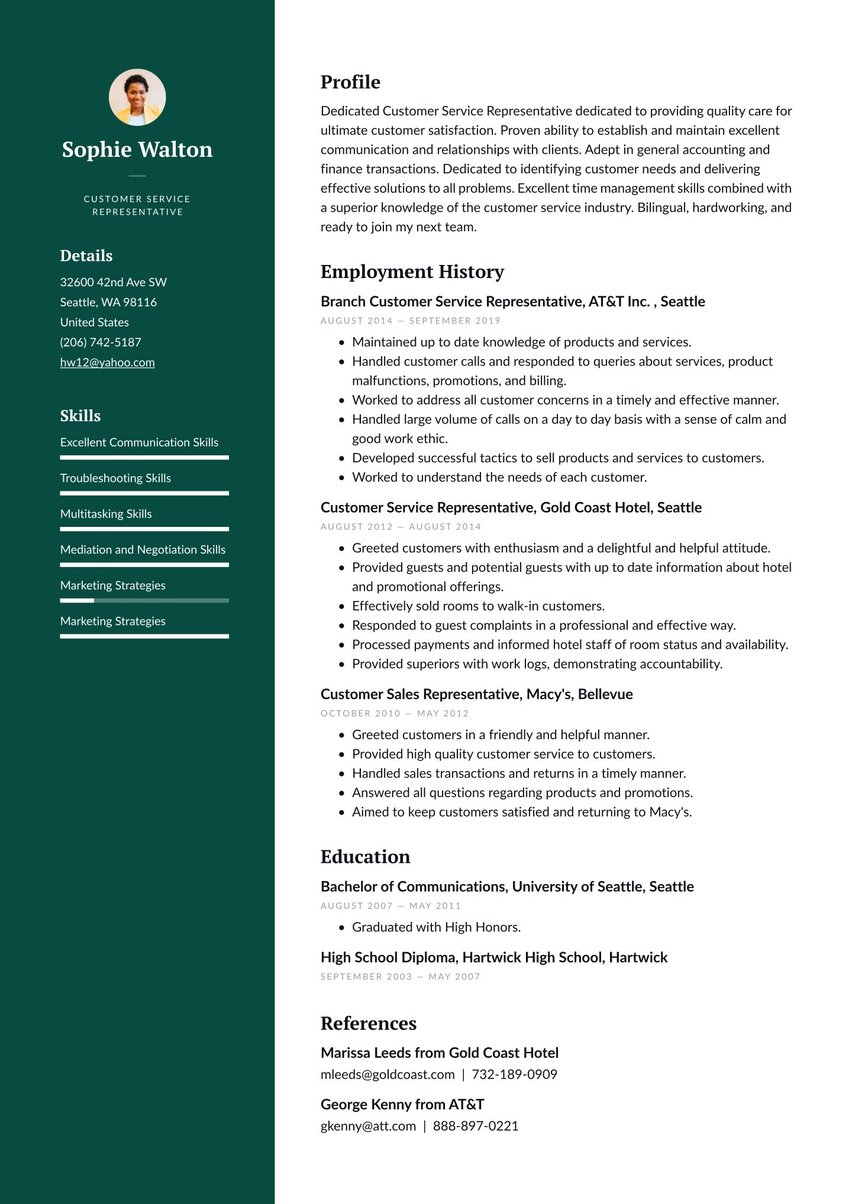
Related Resume Examples
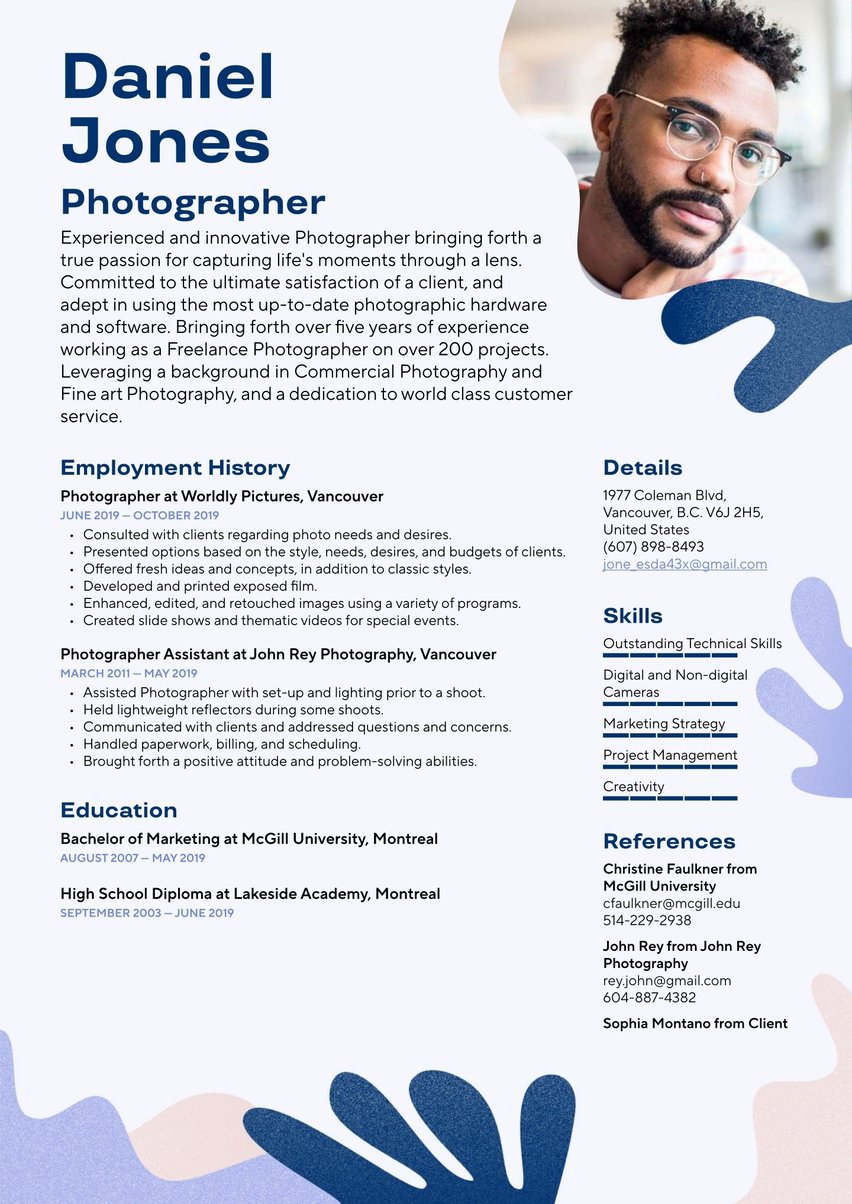
Medical Support Assistant resume example

Designed for Medical Support Assistants, this clean, structured layout highlights your organizational skills and medical knowledge. Its soothing color palette enhances the presentation of your expertise, making it ideal for healthcare environments.
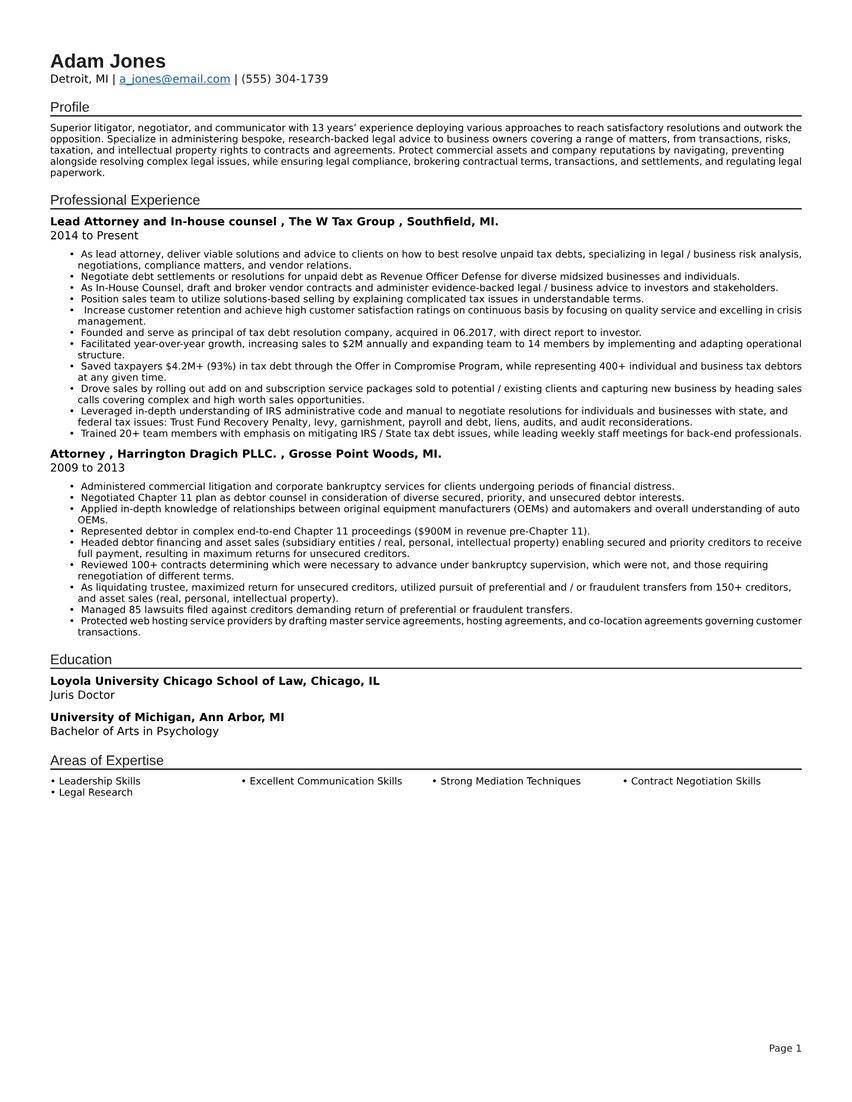
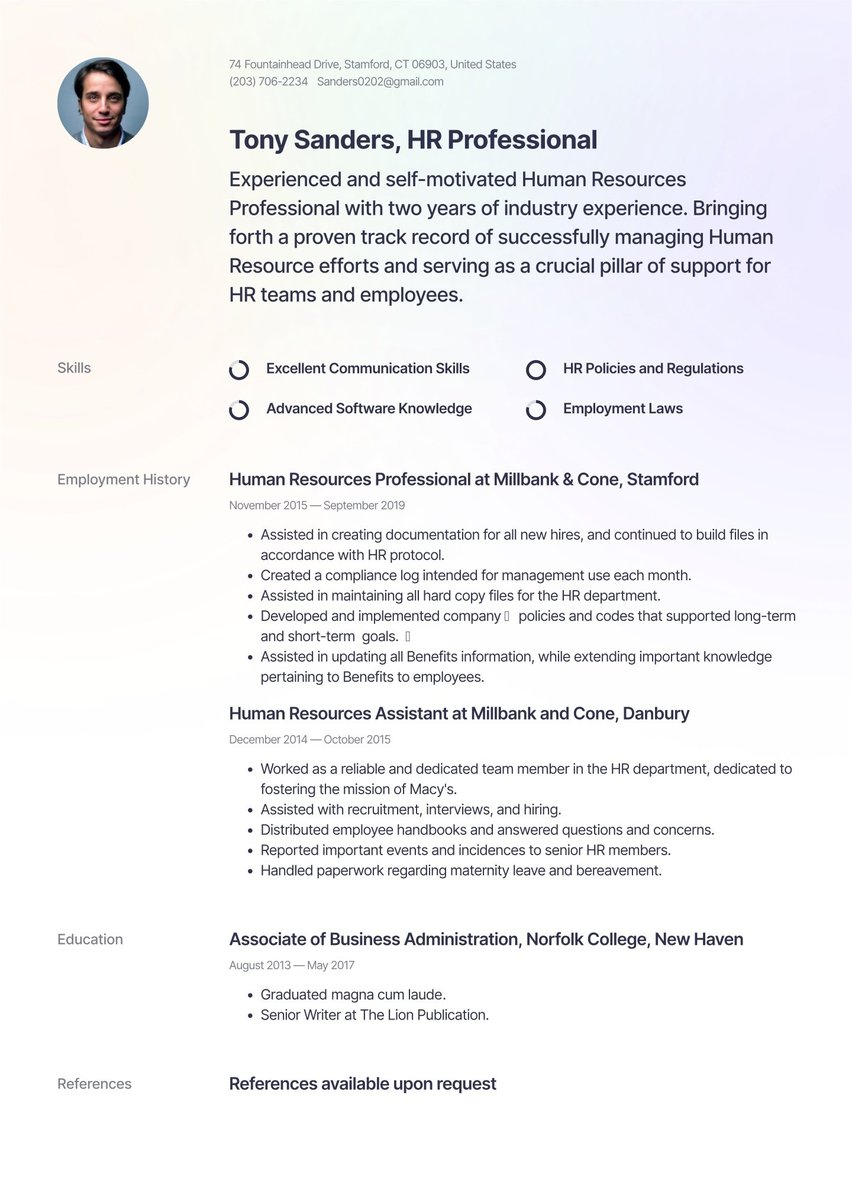
Caregiver resume example

Designed for compassionate caregivers, this template highlights your empathy and dedication in home health roles. Its clean layout emphasizes your patient care skills, making your expertise shine for families seeking trusted support.
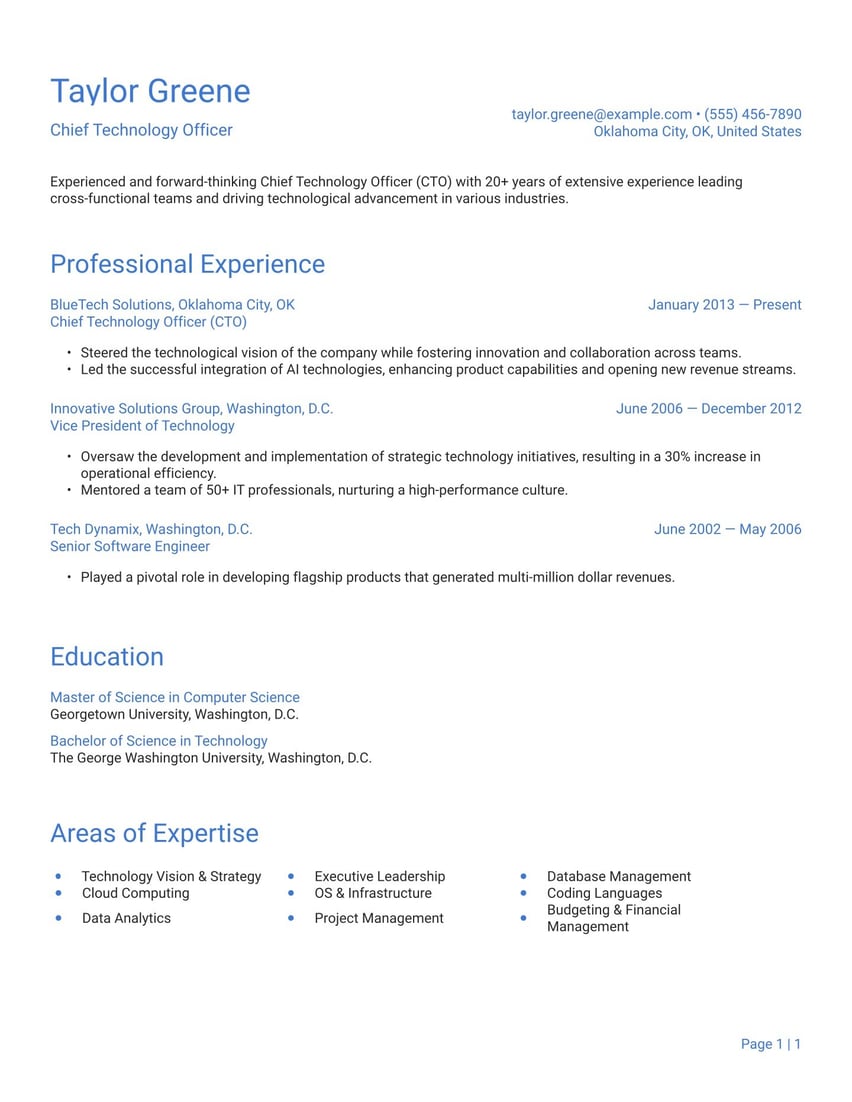
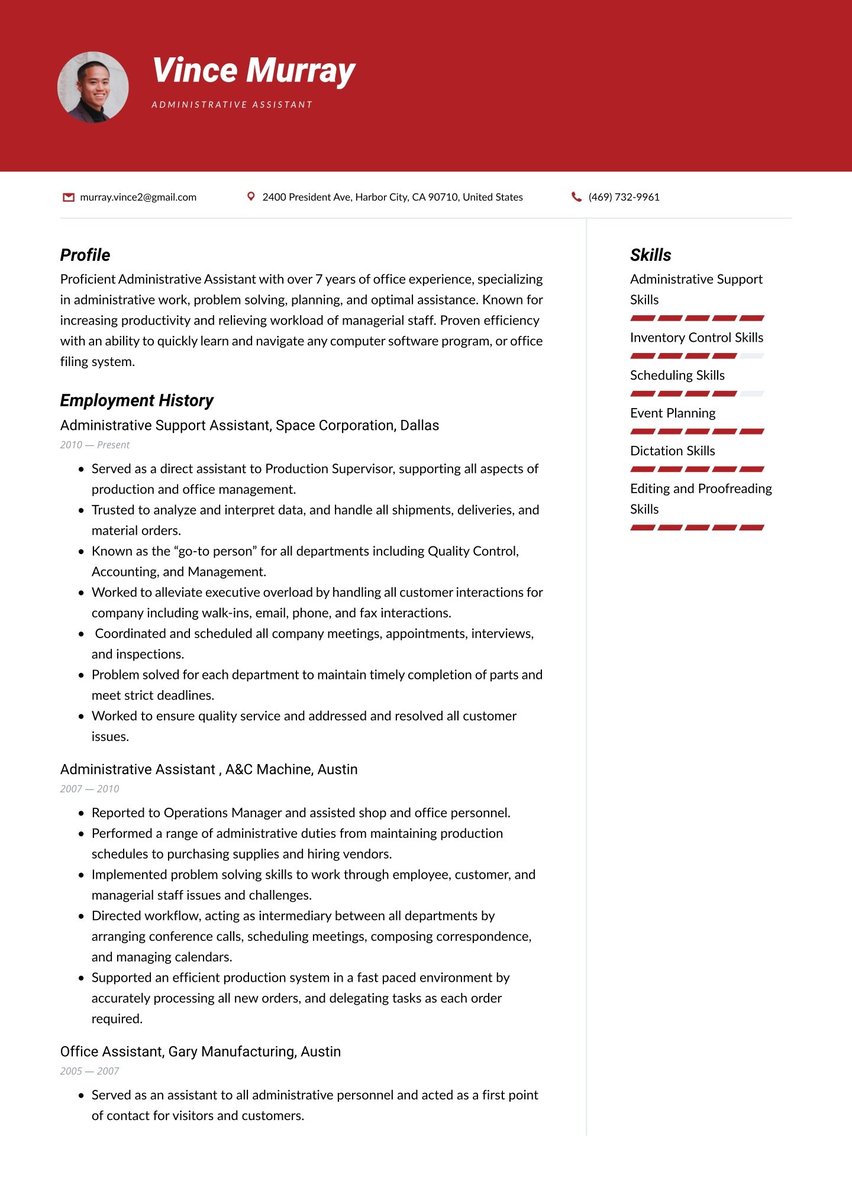
Disability Support Worker resume example
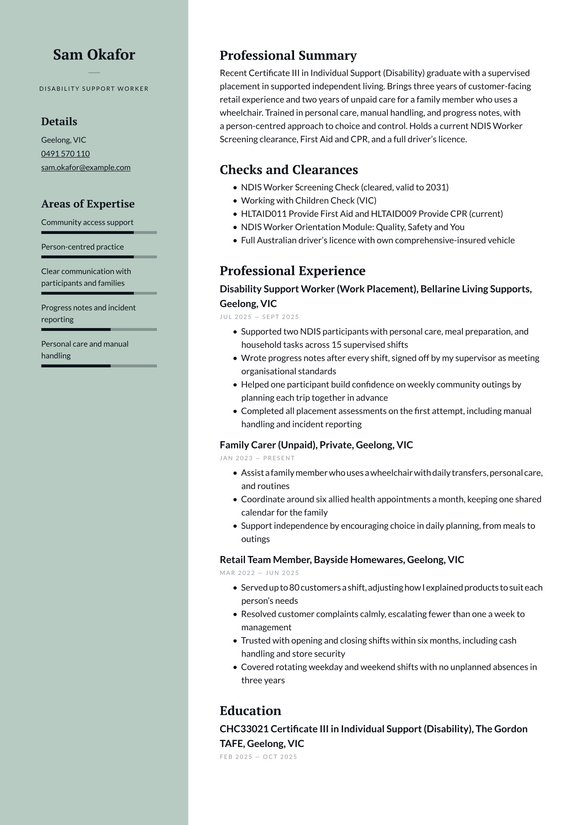
A smart fit for Disability Support Workers, this template’s clean layout highlights your compassionate skills and experience. Its structured sections showcase your expertise in personal care and communication, appealing to care-focused employers.
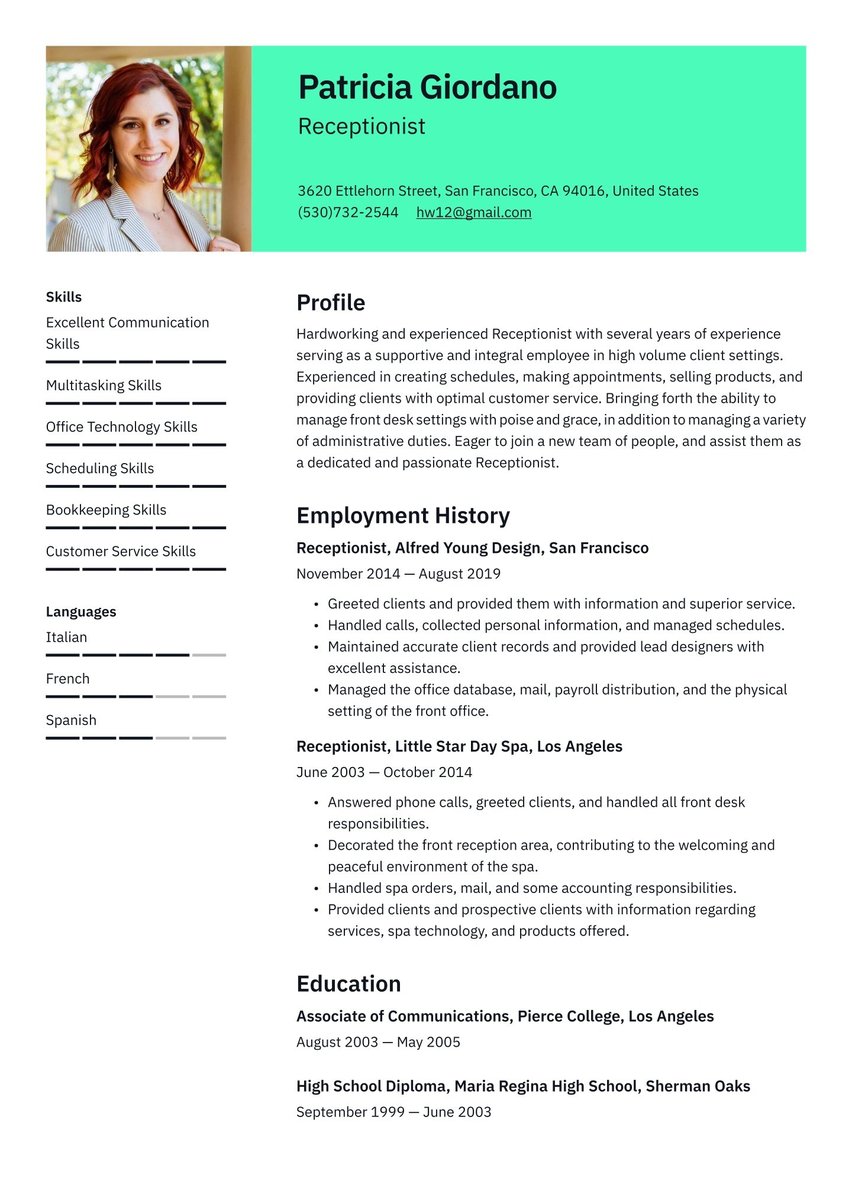
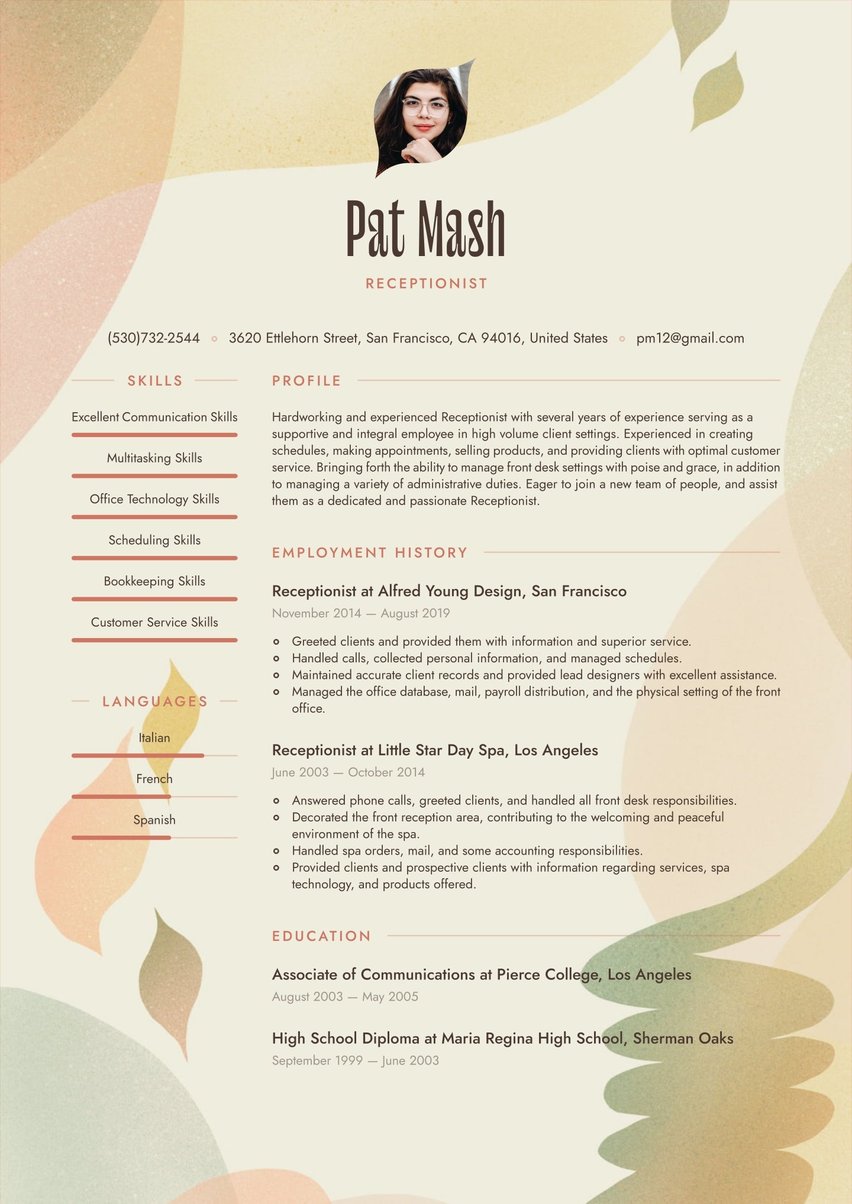
Adapt the samples here section by section, or build yours with the Resume.io online resume writer to turn it into a finished application.
Disability support worker resume example
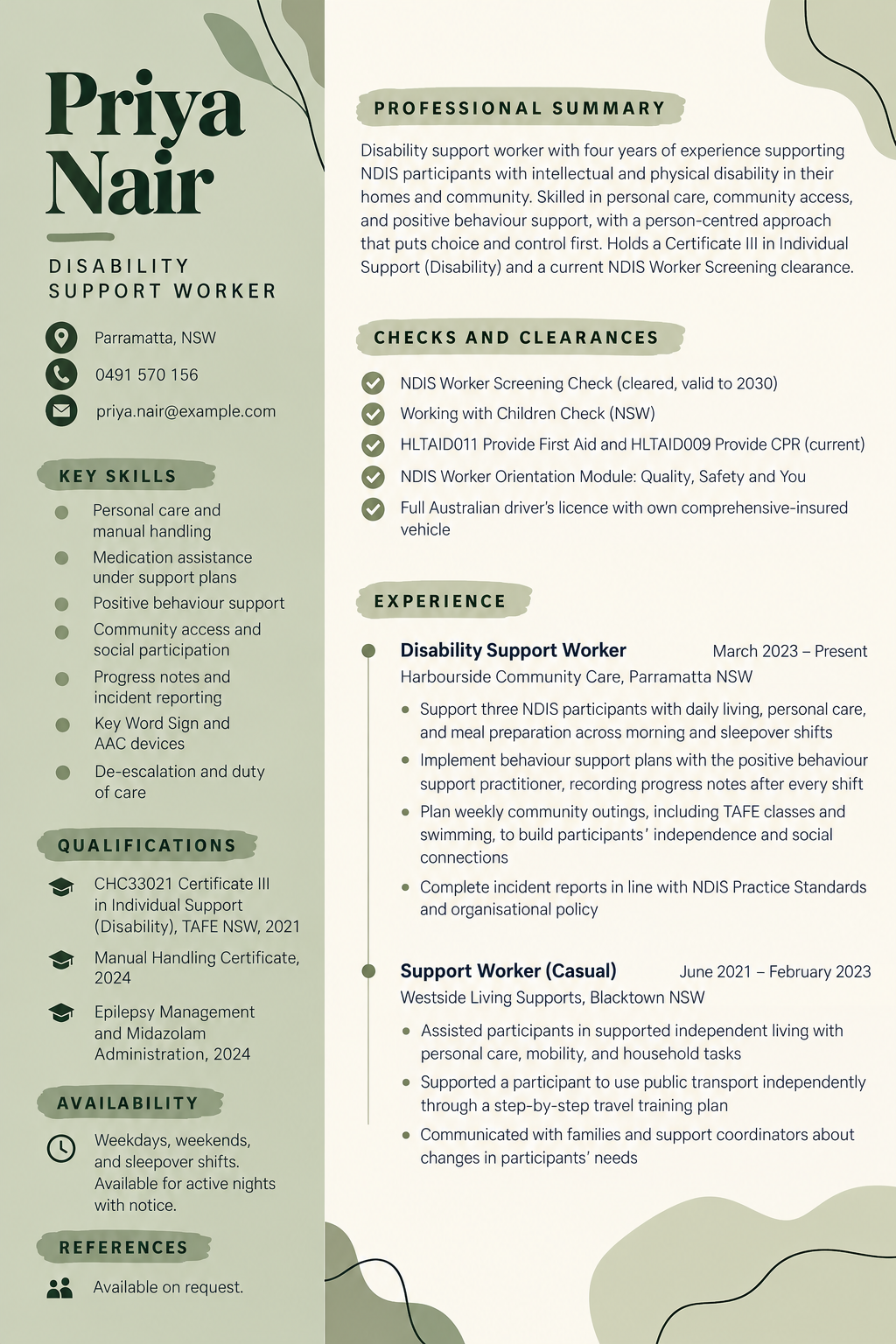
This sample shows a disability support worker resume set up for Australian employers, with compliance checks near the top and availability stated clearly.
What are the key sections to include in a disability support worker resume to stand out to employers?
The key sections are a header, a professional summary, checks and clearances, key skills, work experience in reverse-chronological order, qualifications, and availability.
What makes a disability support worker resume stand out is the order: Australian providers check compliance first, so clearances belong straight after the summary rather than at the end of page two.
SEEK’s own job ad data lists a CPR and First Aid certificate among the top requirements NDIS support worker employers look for, next to personal care and community access.
The sample above places the checks block second for that reason, as every section after it builds the case that you can deliver safe, respectful support.
| Section | What to include | Why it matters |
|---|---|---|
| Header | Name, job title, suburb and state, mobile, email | Shows you live within the provider’s service area |
| Professional summary | Experience, participant groups, core skills, key qualification | Gives the full picture at a glance |
| Checks and clearances | NDIS Worker Screening, Working with Children Check, First Aid and CPR, licence and vehicle | Confirms you can start in a risk-assessed role |
| Key skills | Practical skills first, then a few personal strengths | Matches the terms in the job ad |
| Experience | Role, employer, location, dates, outcome-focused bullets | Shows how you support participants day to day |
| Qualifications | Certificate III, short courses, unit codes | Proves training and specialist knowledge |
| Availability | Days and shift types | Helps the rostering team place you quickly |
Use the key parts of a resume as your frame, then shift the weight to suit your background.
A new starter will give more space to qualifications and placement, while an experienced worker lets the experience section carry the page.
Keep the header simple, because a full street address, date of birth, and photo are not needed in Australia.
Which checks and qualifications should a disability support worker list?
A disability support worker should list an NDIS Worker Screening Check, a Working with Children Check where the role involves children, current First Aid and CPR, and a driver’s licence.
Give each check its own line with its status so a recruiter can confirm eligibility quickly, and list your Certificate III under qualifications.
Registered NDIS providers may only engage workers in risk-assessed roles who hold an NDIS Worker Screening clearance, according to the NDIS Quality and Safeguards Commission.
Job ads reflect the rule directly.
A recent Monash Care Disability Services ad for support workers in Melbourne’s south east asked applicants to confirm a current NDIS Worker Screening Check, a Working with Children Check if applicable, First Aid and CPR certificates, and a driver’s licence with a reliable vehicle.
Write each line so it answers the recruiter’s next question:
- NDIS Worker Screening Check: Write “cleared” and the expiry year, not just the name of the check
- Working with Children Check: Name the state, since checks go by different names, such as the Blue Card in Queensland
- First Aid and CPR: Include the unit codes HLTAID011 and HLTAID009 and confirm both are current
- Driver’s licence: Say “full” and mention your own insured vehicle, since community access often depends on it
- NDIS Worker Orientation Module: List “Quality, Safety and You” once you have completed it
Put your Certificate III in Individual Support (CHC33021) under qualifications with the specialisation and year, along with short courses such as manual handling or epilepsy management.
Unit codes and expiry dates make certifications easy for a provider to verify.
How should I tailor a disability support worker resume for an Australian employer and ATS?
Tailor a disability support worker resume by matching the exact terms in each job ad, such as “community access” and “positive behaviour support”, and by using a single-column layout that an applicant tracking system (ATS) can read.
Mirror the provider’s own wording for participants and supports, and spell compliance checks exactly as the ad spells them.
An ATS is software that scans resumes for the terms an employer has set before a person reads them, so an ATS-friendly resume gets through that step intact.
Tips for making your DSW resume appealing to these systems:
- Highlight the ad’s key terms: Mark every support type, skill, and check the ad names, such as SIL, sleepovers, or complex behaviours.
- Mirror the exact wording: If the ad says “participants” and “positive behaviour support”, use those keywords rather than “clients” and “behaviour management”.
- Reorder your bullets: Move the experience that matches the ad’s main duty to the top of each role.
- Keep the layout simple: Skip tables, text boxes, icons, headers, and footers, which an ATS may scramble.
- Save as a PDF: Send a PDF unless the ad asks for a Word document.
One base resume can serve very different ads once you change which experience leads:
| Ad focus | Lead your experience with |
|---|---|
| Supported independent living (SIL), where participants share a home with rostered support | Overnight support, personal care, and progress notes |
| Community access for young adults | Outings, travel training, and social participation |
| Complex behaviour support | Behaviour support plans, de-escalation, and incident reporting |
Save each tailored version with the provider’s name so you can review it before the interview.
Which skills should a disability support worker put on a resume?
A disability support worker should list practical, checkable skills such as manual handling, medication assistance, and progress notes before personal strengths.
Resume.io hiring data supports this order: 20.1% of job seekers who listed at least one technical or analytical skill were hired, compared with 14.2% of those who listed only soft skills (Resume.io, Resume Skills Study, 2026).
Many sample resumes lead with empathy, patience, and compassion.
Employers expect those qualities from every applicant, so a list of them does little to set you apart.
Give your skills section to abilities an employer can check, and prove your character through what you did.
| Practical skill | How it reads in an experience bullet |
|---|---|
| Manual handling | Used hoists and slide sheets for safe transfers on morning shifts |
| Medication assistance | Assisted with medication from blister packs under each participant’s support plan |
| Positive behaviour support | Followed behaviour support plans and recorded triggers in daily notes |
| Progress notes and incident reporting | Completed progress notes after every shift in line with NDIS Practice Standards |
| Community access | Planned weekly outings that built a participant’s confidence on public transport |
| Communication support | Used Key Word Sign and AAC devices with participants who communicate without speech |
The study covered resumes across many industries, and the lesson carries into disability support work.
Manual handling and medication assistance are the care sector’s technical skills, because a provider can verify the training behind them.
Keep a small number of soft skills, such as reliability or adaptability, and show them in action.
A bullet about staying calm while supporting a participant through a change in routine says more about patience than the word itself.
Can you suggest a strong summary or objective for a disability support worker CV?
Use a professional summary rather than an objective.
A strong disability support worker summary covers your years of experience, the participants you support, two or three core skills, and your main qualification or clearance in three or four sentences.
A recruiter should understand your value before reading any further.
Amanda Augustine, CPRW, CPCC, career expert at Resume.io, advises that “the space at the top should focus on what you can offer them, not what you hope to gain.”
That is the core difference between a professional summary and an objective, which describes what you want from the job.
Weak summary
- Caring and hardworking person looking for a rewarding role where I can help people with disability.
Why it falls short: It says what the writer wants, names no skills, and offers no proof.
Strong summary for an experienced worker
- Disability support worker with five years of experience supporting adults with autism and intellectual disability in SIL homes. Skilled in positive behaviour support, medication assistance, and progress notes, with a person-centred approach to choice and control. Certificate III in Individual Support (Disability) and current NDIS Worker Screening clearance.
Strong summary for someone new to the sector
- Recent Certificate III in Individual Support (Disability) graduate with a work placement in supported independent living. Experienced in personal care, community access, and daily progress notes under supervision. Holds an NDIS Worker Screening clearance, First Aid and CPR, and a full driver’s licence.
Australian employers use “resume” and “CV” to mean the same document, so the advice applies whichever word an ad uses.
The difference between a resume and a CV matters more in academic and international applications than in disability support.
How do you write a disability support worker resume with no experience?
Write a disability support worker resume with no experience by leading with your Certificate III placement, your checks, and any care you have already given, such as supporting a family member or volunteering.
Some entry-level ads, including one for Geelong support workers on Employment Hero, describe a Certificate III as highly desirable but not essential for new starters.
Treat every relevant hour as experience, because most first resumes in this sector undersell care the applicant has already given.
- Certificate III placement: The supervised work placement in your course belongs in your experience section, with dates and tasks.
- Unpaid care for family: Personal care, appointments, and medication routines are directly relevant.
- Volunteer work: Respite programs, inclusive sport, and community groups all show commitment.
- Customer-facing jobs: Hospitality and retail prove reliability, calm under pressure, and comfort with shift work.
Here is how a placement reads on the page:
Work Placement, Supported Independent Living
Riverbend Disability Services, Penrith NSW | August 2025 to October 2025
- Supported two participants with personal care, meal preparation, and household tasks under supervision
- Wrote daily progress notes and learned incident reporting procedures
- Joined community outings and practised active support techniques
Put the placement under experience, not education, and label it clearly as a placement.
Recruiters see a clearly labelled placement as proof you have already worked safely in a real support setting, which is the main question they have about a new starter.
What mistakes should I avoid when writing a disability support worker resume?
The most common mistakes are using US terms and certifications, describing participants in deficit language, sharing personal details about people you support, listing duties without outcomes, and leaving out availability.
Each one either confuses an Australian recruiter or raises doubts about your judgement before an interview.
Several widely read sample resumes for this role are written for the US market, with American Red Cross CPR and ASL, the American sign language.
Copying those details signals that the resume was not written for an Australian provider.
| Mistake | Better approach |
|---|---|
| US terms such as ASL or American Red Cross CPR | Auslan, plus HLTAID011 and HLTAID009 from an Australian training provider |
| “Patients”, “suffers from”, “wheelchair-bound” | “Participants”, “lives with”, “uses a wheelchair” |
| Naming participants or their diagnoses | “A participant with complex communication needs” |
| “Assisted clients with daily activities” | Name the support and the result, such as building independence on public transport |
| No availability listed | A short line covering days and shift types |
Privacy needs particular care, so naming a participant or describing their condition in detail tells an employer you may handle confidential information carelessly.
Availability earns its own line because 66.1% of disability support workers in Australia work part-time (Jobs and Skills Australia, 2021).
Rosters run on casual and part-time shifts, and providers such as Vida Connects ask applicants to state their availability across weekday, weekend, sleepover, and active night shifts.
One clear line answers the rostering team’s first question before they need to ask it.
Key tips
- Put your NDIS Worker Screening Check, Working with Children Check, and First Aid and CPR near the top of a disability support worker resume, under one clear heading.
- Copy each job ad’s exact terms for supports and participants, and use a single-column layout so an ATS can read every line.
- Lead your skills section with practical abilities an employer can check, such as manual handling and progress notes.
- Describe the people you support with respectful language, and never include names or diagnoses.
- Add a one-line availability statement, and start from one of our resume templates to save time on layout.
FAQs
Here are short answers to three common questions about disability support worker resumes.
How long should a disability support worker resume be?
Two pages suits most disability support worker resumes in Australia.
The average resume runs to 1.6 pages (Resume.io, Resume Statistics, 2024), and a two-page resume gives room for checks, qualifications, and availability.
New starters can usually fit everything an employer needs on one page.
Do you need a Certificate III to work as a disability support worker?
No, a Certificate III is not a legal requirement, and Jobs and Skills Australia lists no licensing or registration requirements for the occupation.
Many providers still prefer a Certificate III in Individual Support (Disability), and registered NDIS providers must ensure workers in risk-assessed roles hold an NDIS Worker Screening clearance.
List both on your disability support worker resume if you hold them.
Can I use the same resume for disability and aged care jobs?
No, a DSW resume should be adjusted before you apply for aged care roles.
Aged care employers on SEEK look for terms such as aged care, domestic assistance, medication management, and complex care, while disability ads focus on NDIS supports, community access, and positive behaviour support.
Rewrite your summary and lead bullets to match each sector.