

06/2013 - 10/2018, Dentist, Southside Dentistry, Los Angeles
- Educated patients about proactive dental care, plaque control, and treatment options.
- Offered state of the art procedures with the highest level of care possible.
- Performed routine dental examinations and checkups.
- Treated patients with respect and consideration of sensitivities.
- Successfully handled complex dental needs.
08/2009 - 05/2013, Dentist, Springfield Dental Associates, Springfield
- Worked with pediatric patients to address dental needs.
- Educated patients on proper dental hygiene and preventative practices.
- Carefully monitored the growth and development of teeth.
- Created a warm and welcoming environment, conducive to children.
- Worked with parents to educate them about dental care and treatment options.
- Created treatment plans to restore oral health in patients.
09/2004 - 05/2009, D.D.S., Arizona School of Dentistry and Oral Health, Tempe
09/2000 - 05/2004, Bachelor of Biology, Arizona State University, Tempe
- Spanish
- English
- French
- Comprehensive General Dental Care
- Optimal Patient Care
- Empathetic and Kind
- Strong Communication Skills
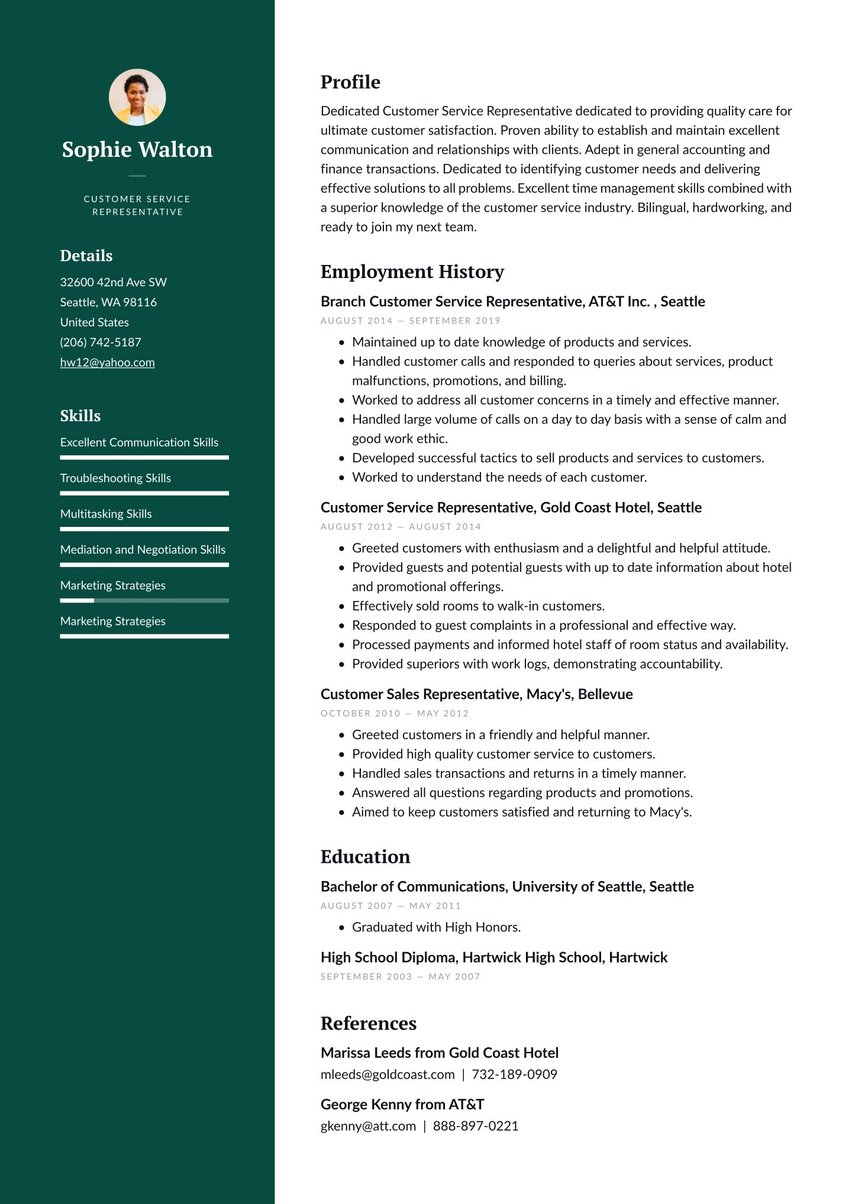
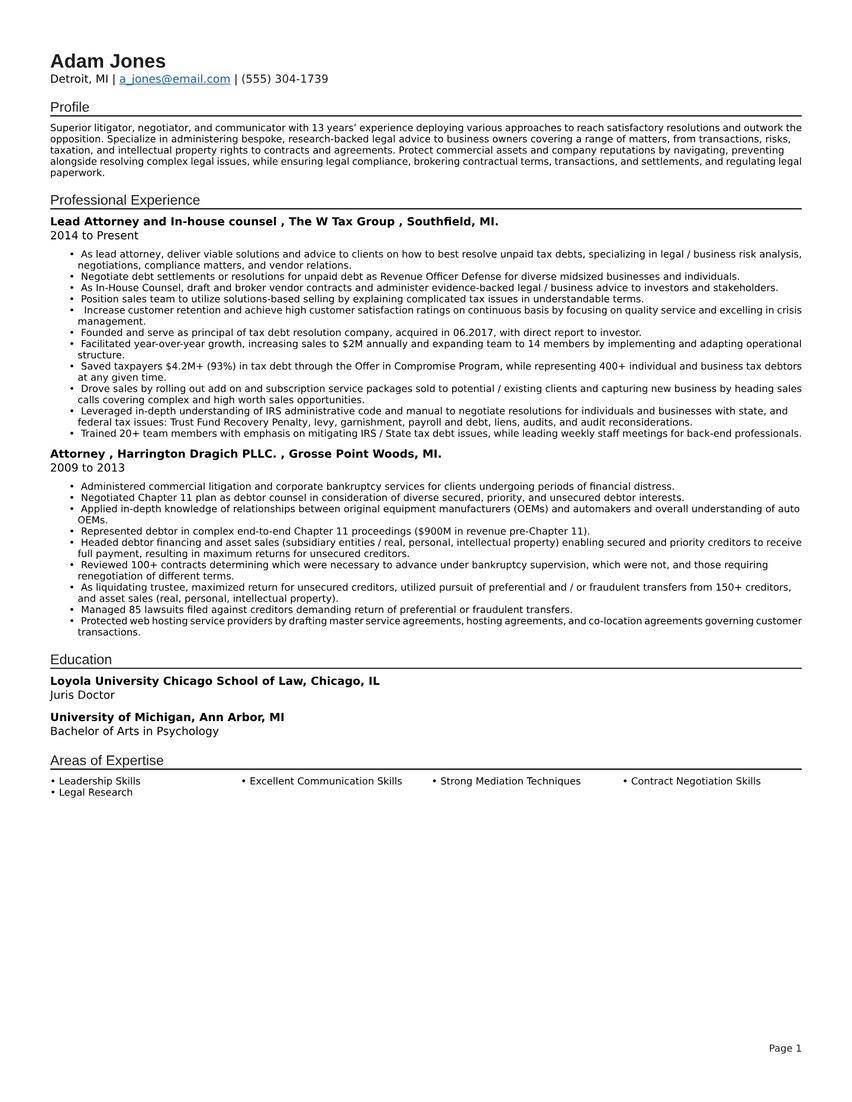
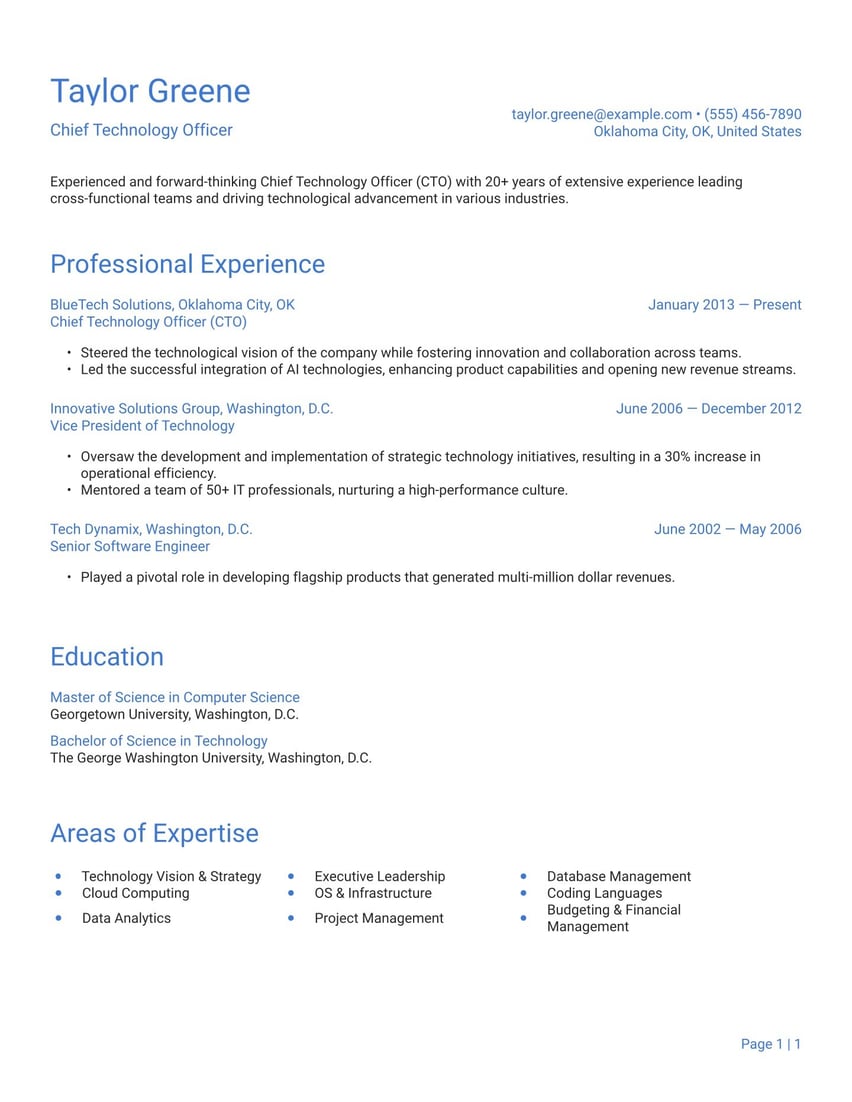
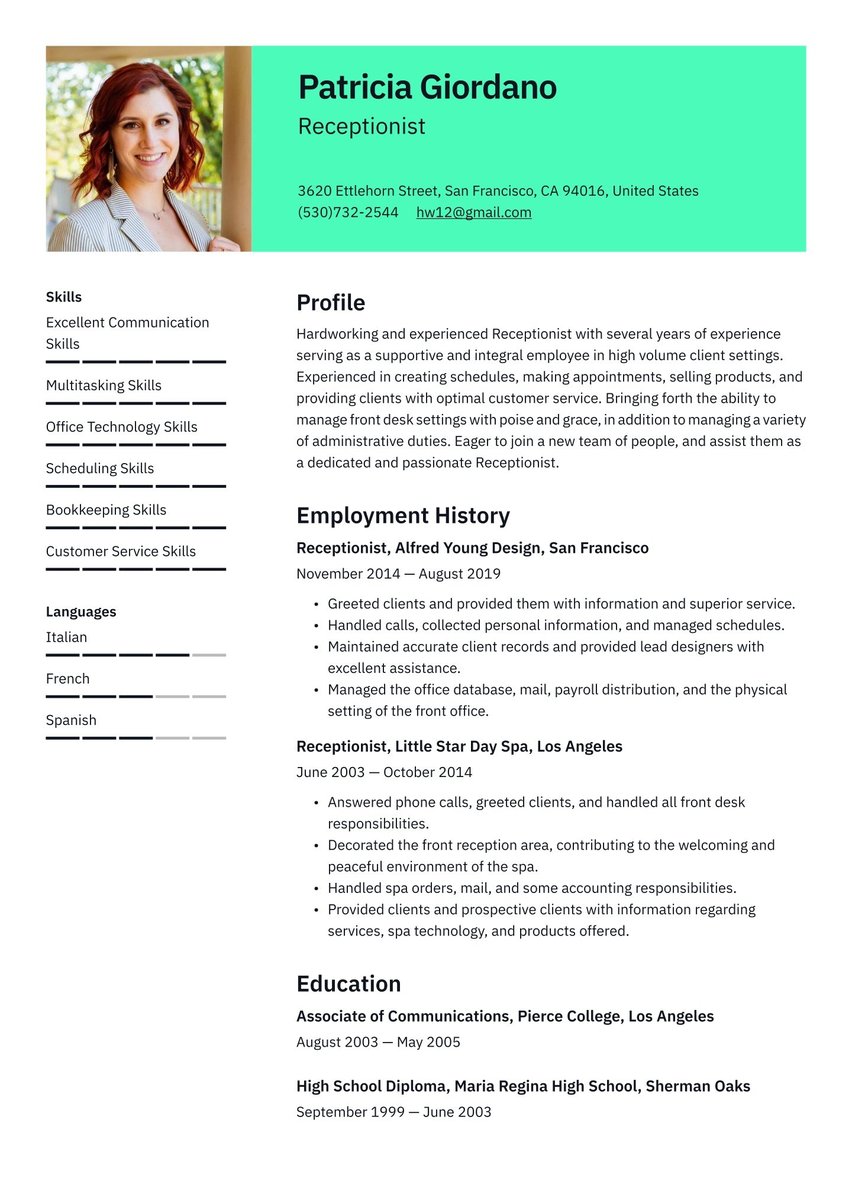
A strong dentist resume shows a practice that you can deliver safe clinical care, keep patients coming back, and fit the way their office runs. This guide walks through how to write a dentist resume that hirers and applicant tracking systems both respond to, with clear advice for every section. Below you will find adaptable dentist resume examples you can tailor to your own experience.


Related Resume Examples
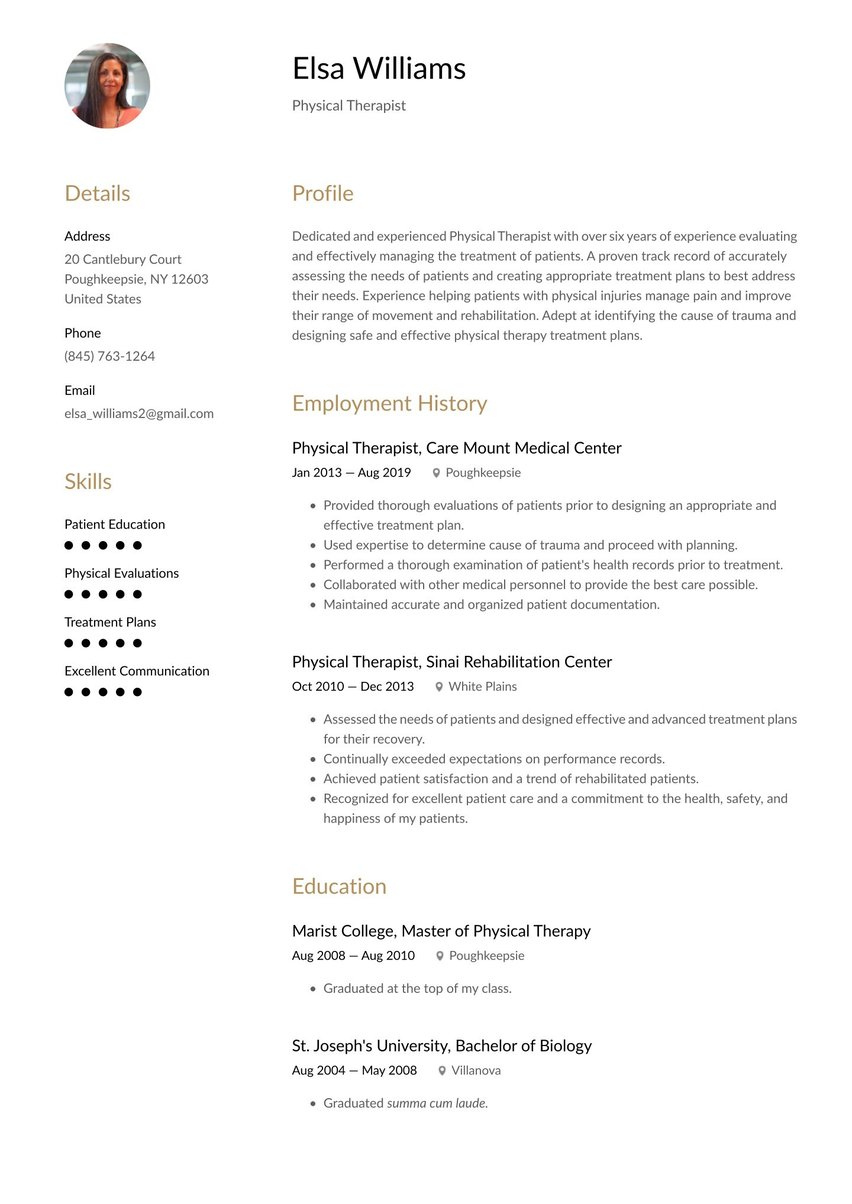
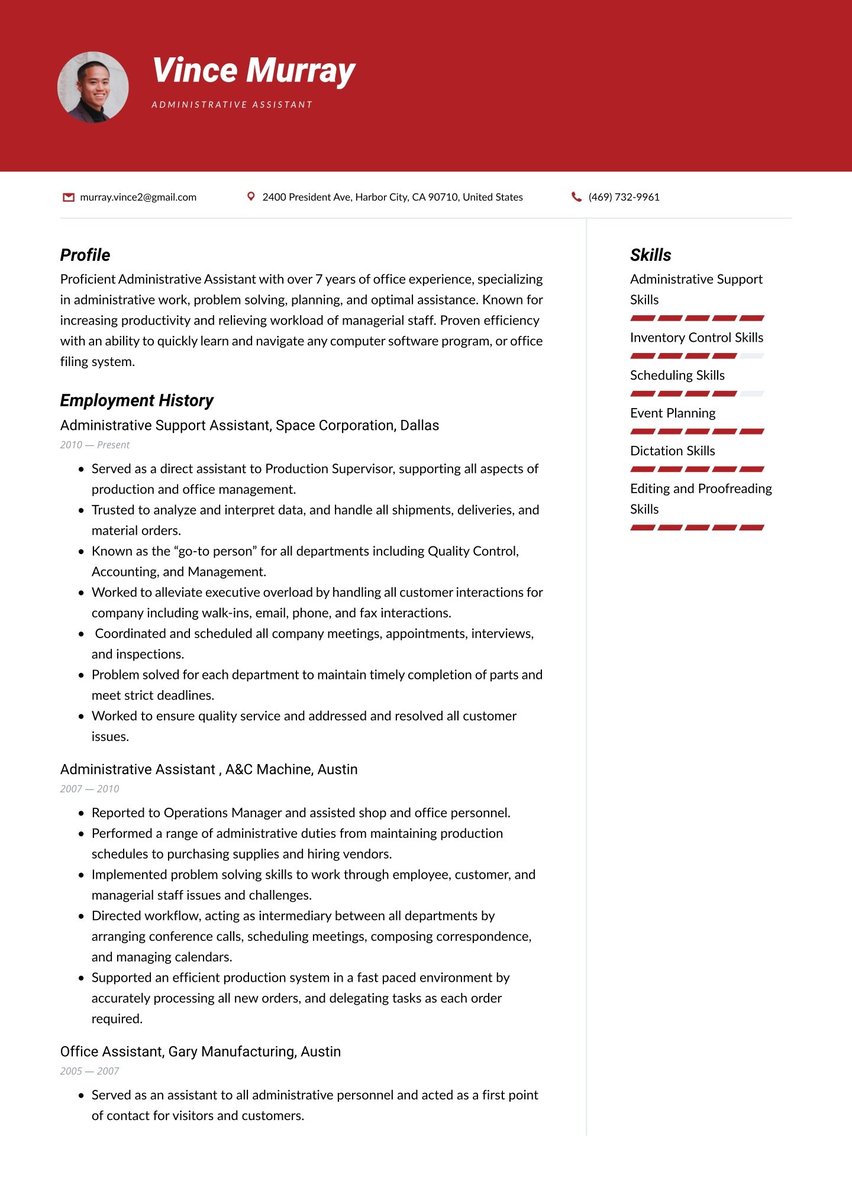
Dental Assistant resume example

Customized for Dental Assistants, this clean, patient-focused layout highlights your multitasking skills, interpersonal communication, and technical expertise. Its calming design mirrors the trust and care you bring to dental practices, impressing both employers and patients.
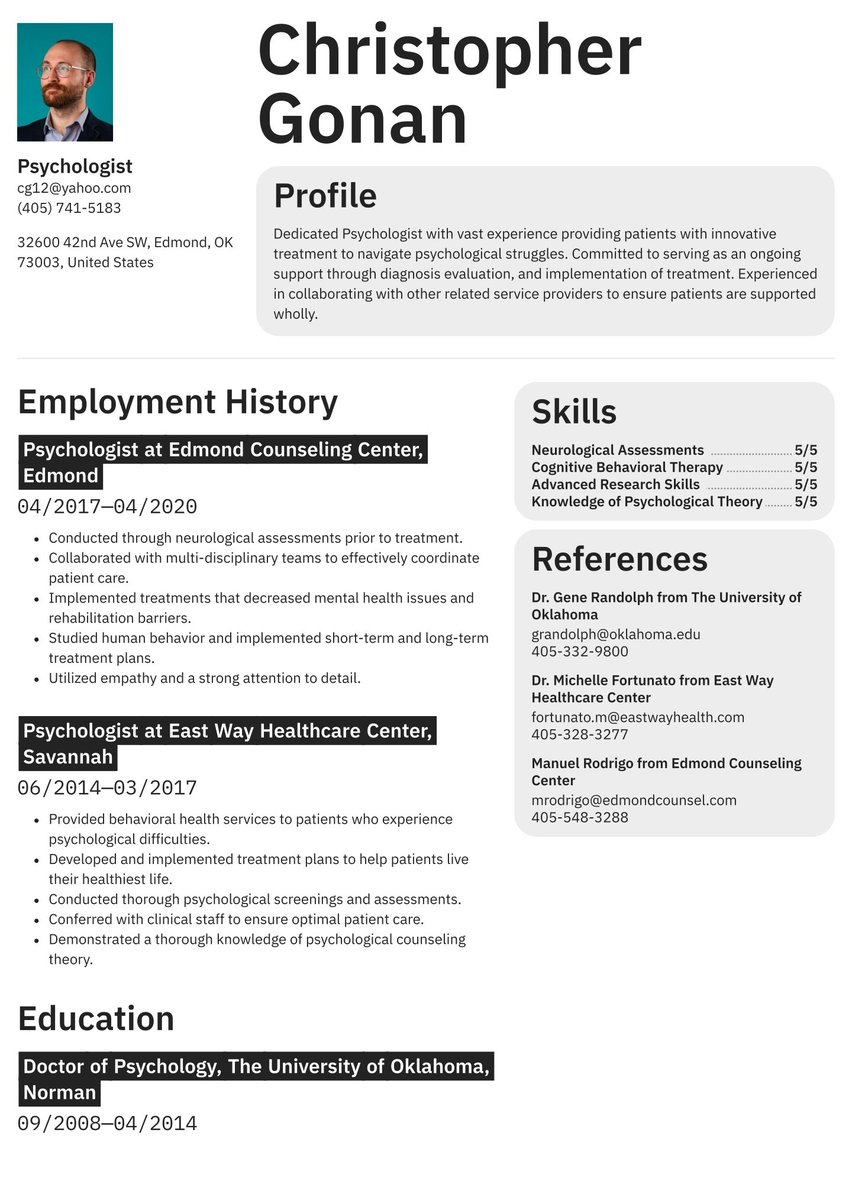
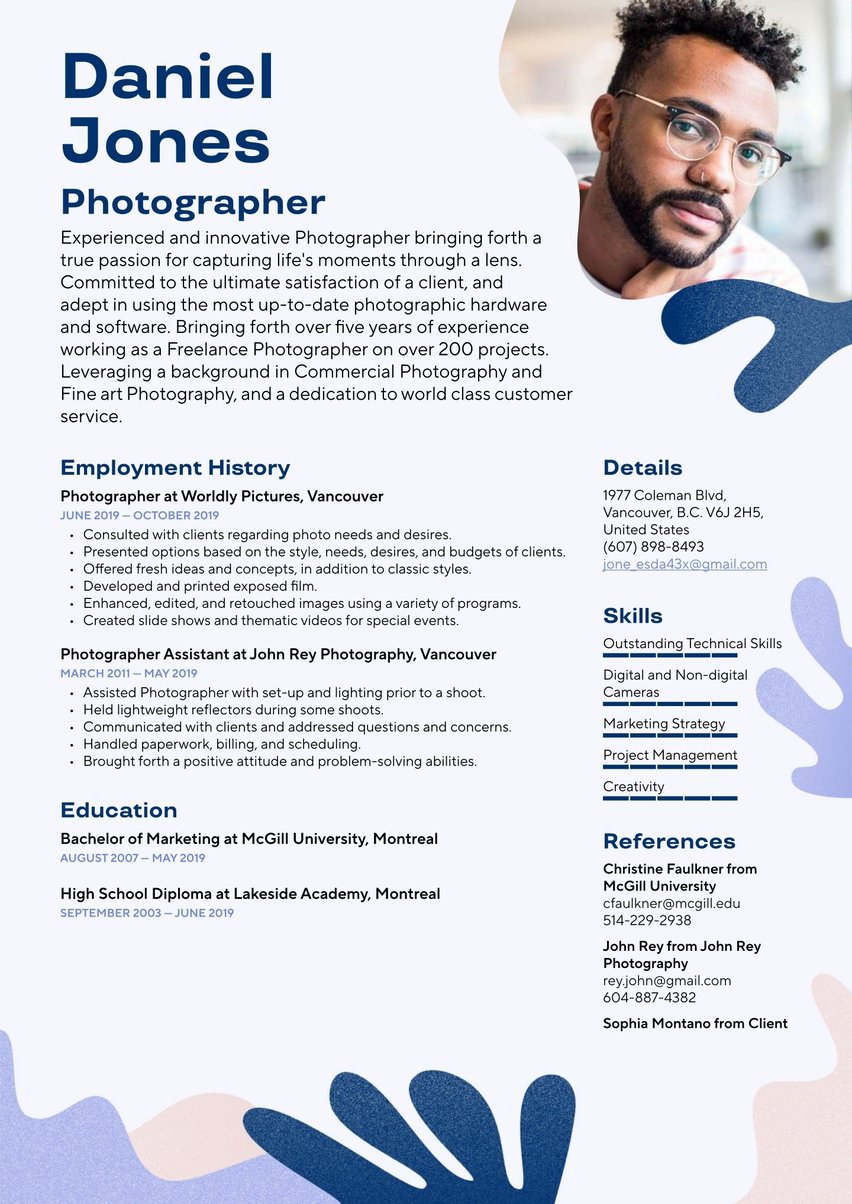
Endodontist resume example

Customized for endodontists, this clean, professional layout highlights your precision and patient-focused expertise. Its structured sections and subtle color accents emphasize advanced skills and compassionate care, appealing to dental practices and specialist clinics alike.
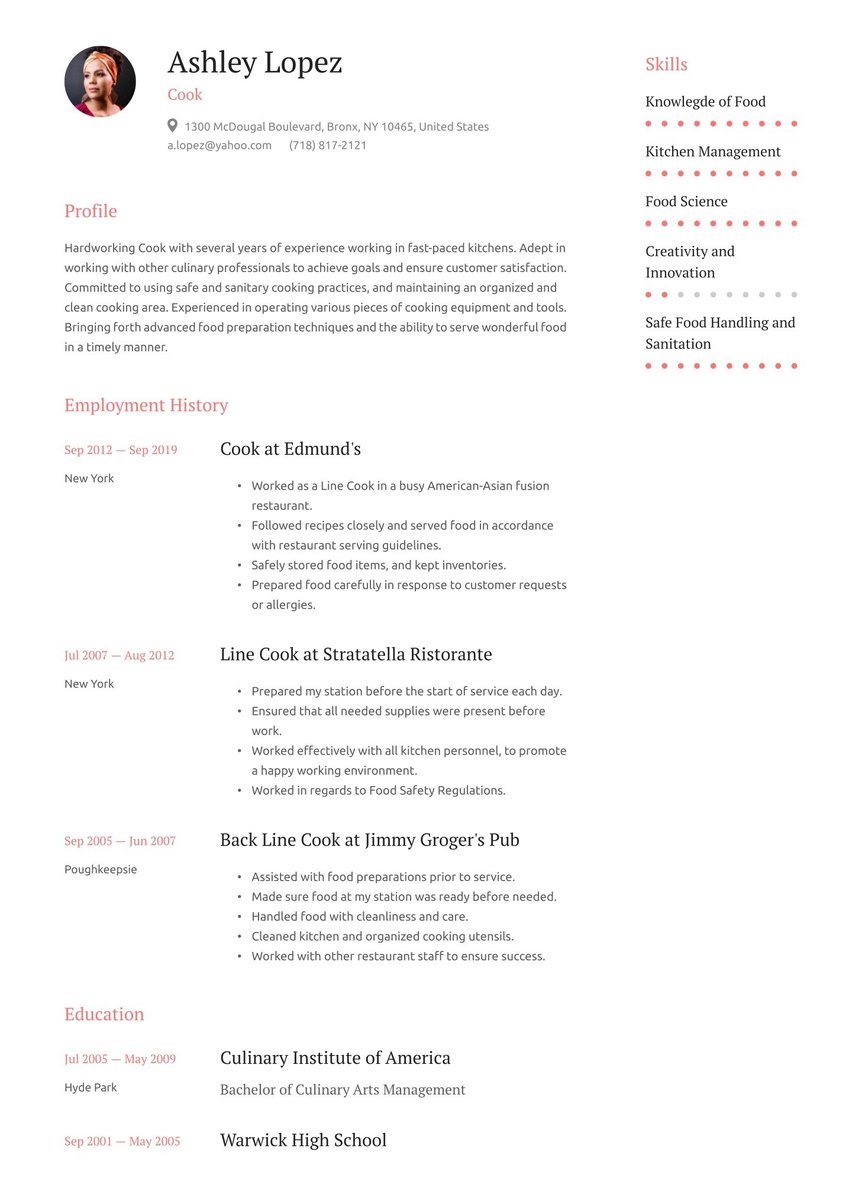
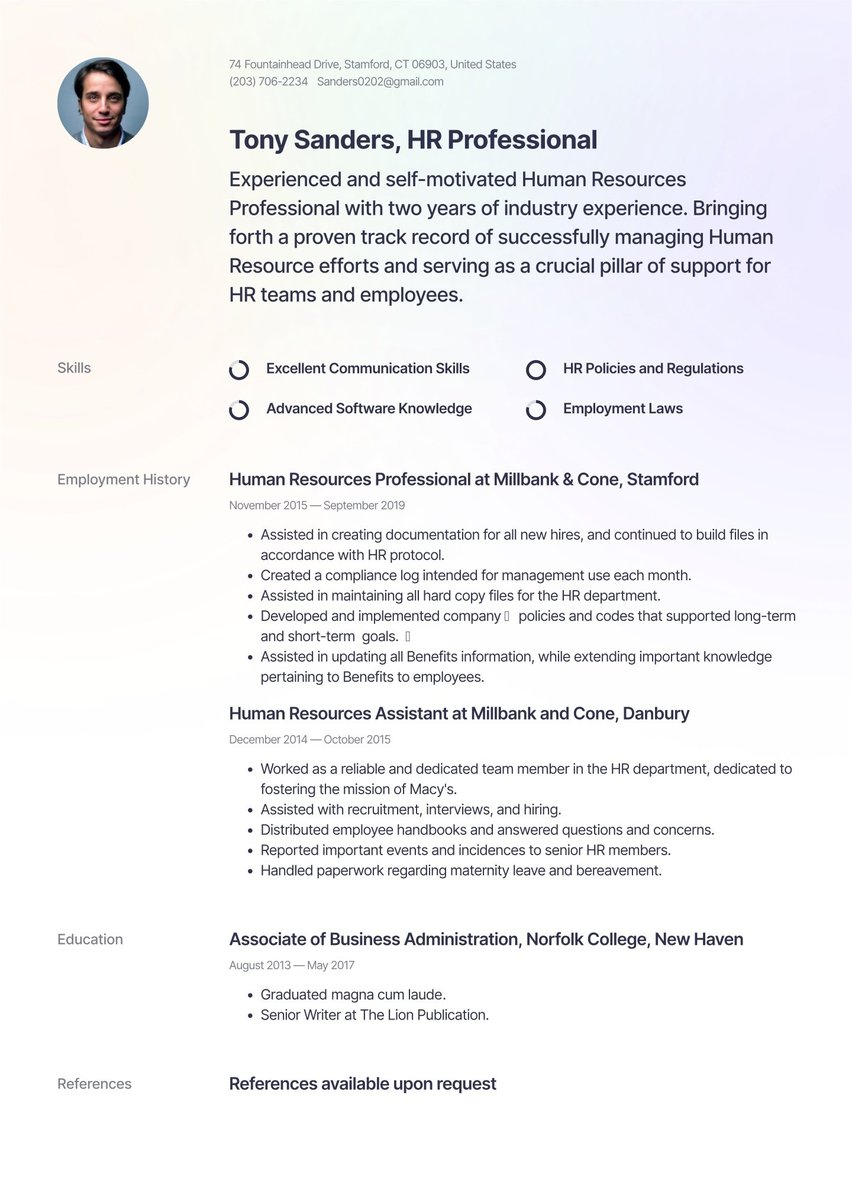
Dental Receptionist resume example

Designed for polished professionalism, this template highlights your organizational skills and patient-centered approach as a Dental Receptionist. Its clean layout and subtle accents showcase your expertise while ensuring easy readability for hiring managers.
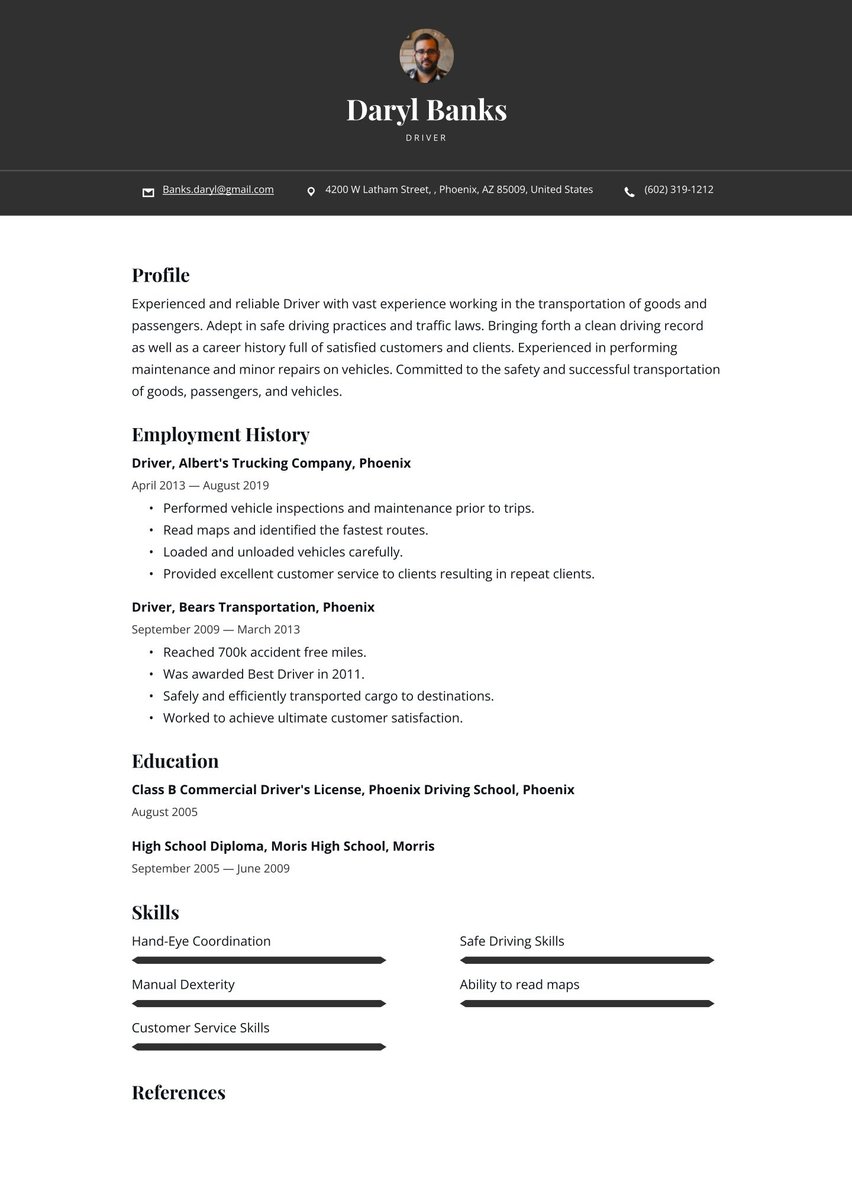
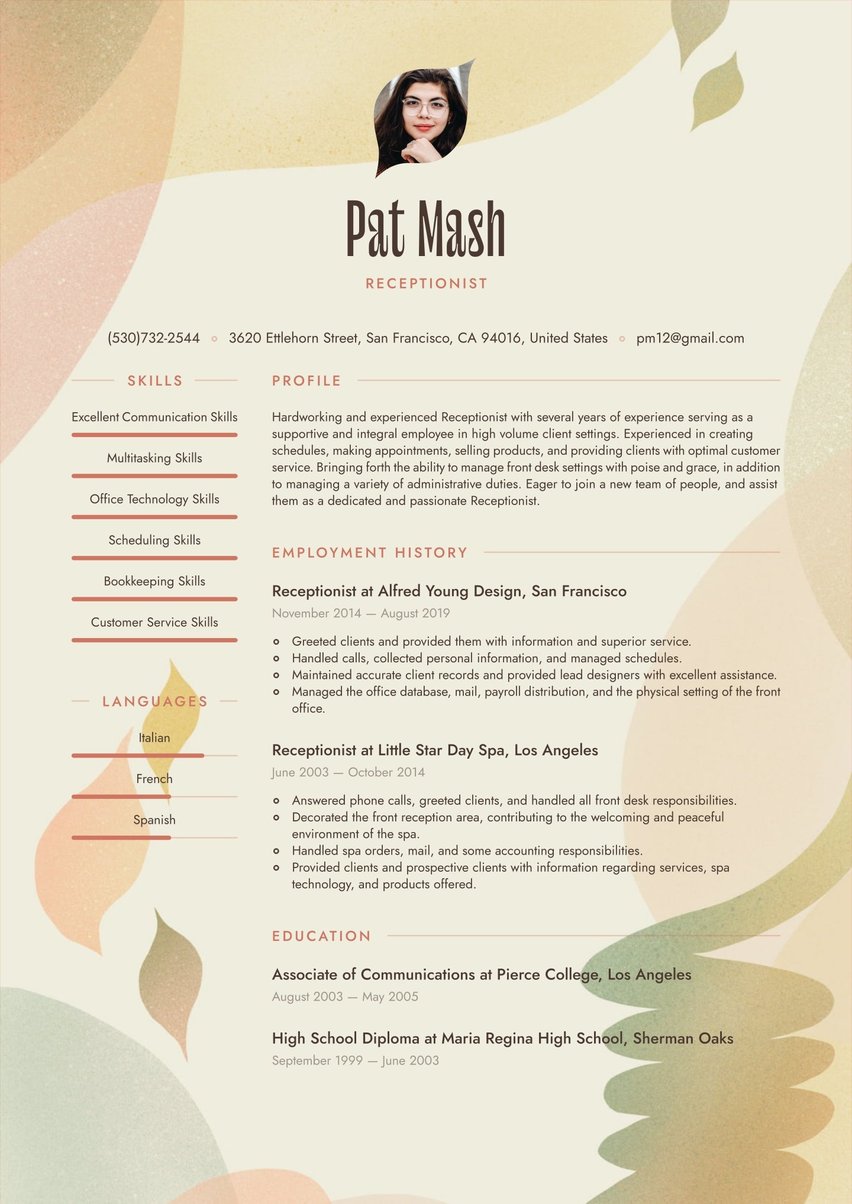
Dental Hygienist resume example

Optimized for dental hygienists, this clean, professional layout highlights your patient care expertise and technical skills. Its structured sections and subtle accents showcase your qualifications, fostering trust and confidence with dental practices and patients alike.
These examples show what effective dentist resumes look like across experience levels, from a recent graduate building a first associate role to a senior dentist moving into practice leadership.
How to write a dentist resume
Writing a dentist resume comes down to four clear steps, and the order matters.
Work through them as a sequence, because each step feeds the next: your summary frames your experience, your experience proves your skills, and your format keeps all of it readable for software and people alike.
Step 1: Open with a focused clinical summary
Your summary is three or four sentences at the top of the page that state who you are, your years in practice, and your strongest clinical areas.
Lead with the work that drives an office forward, such as restorative, cosmetic, or surgical procedures, rather than a generic line about being passionate.
A specific opener tells a hiring manager within seconds whether you fit.
- Example: "Board-certified general dentist with 8 years of experience in restorative and cosmetic dentistry, including implant placement and same-day crowns using CEREC."
Step 2: Quantify your clinical outcomes
Numbers turn duties into evidence.
Instead of listing what you did, show the result: patients treated per day, case acceptance rate, production figures, success rates, or reductions in chair time.
This is the single habit that separates a forgettable resume from a memorable one, and most dentists leave it out.
- Example: "Maintained a 98 percent success rate across 600+ root canal treatments while reducing average appointment time by 15 percent."
Step 3: Match the language of the job description
Read each posting closely and mirror the exact terms it uses.
A cosmetic-focused office will name veneers and whitening; a community health center will name preventive care and high patient volume.
Using the same wording, where it is true for you, keeps your resume relevant to the reader and readable to the software that screens it first.
- Example: "Reworded a general summary to feature veneers, Invisalign, and full-mouth reconstruction for an aesthetic practice posting."
Step 4: Choose a clean, ATS-safe format
Use a simple, single-column layout with standard section headings and a common font.
Avoid tables, text boxes, and graphics inside the body, since these can confuse an ats and scramble your information.
A clean structure protects every other choice you have made.
- Example: "Saved the file as a PDF with clear headings for Summary, Experience, Skills, Education, and Licensure."
What are some effective ways to format a dentist resume?
For most dentists, reverse chronological is the strongest format because it shows your most recent clinical role first and reads cleanly through automated screening.
New graduates or career changers may prefer a hybrid format that gives skills and education more room before a shorter work history.
The table below shows when each fits.
| Format | Best for | Watch out for |
|---|---|---|
| Reverse chronological | Experienced dentists with a steady clinical record | Gaps in employment show clearly, so be ready to explain them |
| Hybrid | New graduates, specialists, or career changers | Can look thin if the skills section is vague rather than specific |
| Functional | Rarely recommended for clinical roles | Hides the timeline recruiters rely on to judge clinical accountability |
How can I make my dentist resume stand out to employers?
Stand out by treating your resume as evidence of value to the office, not just a list of procedures.
Owners hire dentists who protect clinical quality and support the business, so connect each skill to outcomes they care about: retention, case acceptance, and efficiency.
That framing is what most applicants miss.
A useful anchor is the market itself.
The median annual wage for dentists was $179,210 in May 2024, with employment projected to grow 4 percent from 2024 to 2034 (US Bureau of Labor Statistics, Occupational Outlook Handbook).
Steady demand means practices can be selective, so the resumes that succeed are the ones that demonstrate impact rather than simply listing credentials.
Show the difference you made:
- Production and growth: Note where you grew production or introduced a service line, such as adding clear-aligner cases.
- Patient loyalty: Reference retention or satisfaction results that show patients returned and referred others.
- Efficiency: Point to workflow or scheduling improvements that increased capacity without lowering quality.
When an office can see your value in concrete terms, your application earns a closer look.
What skills should I highlight in a dentist resume?
Highlight a balanced mix of clinical hard skills and patient-facing soft skills, because an office needs both technical reliability and a calm chairside presence.
List the procedures and technologies you genuinely use, then add the human strengths that keep patients comfortable and the team running smoothly.
Specificity carries more weight than a long generic list.
- Clinical hard skills: Restorative dentistry, endodontics, oral surgery, implant placement, cosmetic procedures, and treatment planning.
- Dental technology: Digital radiography, CBCT imaging, intraoral scanning, CAD/CAM systems such as CEREC, and practice software such as Dentrix, Eaglesoft, or Open Dental.
- Patient and team skills: Anxiety management, patient education, clear treatment communication, and collaboration with hygienists and assistants.
Choose the skills that match the specific role, and make sure each one is supported somewhere in your experience section so the claim holds weight.
Are there specific keywords that hiring managers look for in dentist resumes?
Yes, and they come straight from the job description.
Hiring managers and applicant tracking systems scan for the exact terms a posting uses, such as restorative, diagnosis, treatment planning, or a named software platform, then rank resumes on how well they match.
Only 25% of resumes pass ATS screening (Resume.io, Resume Statistics, 2024), so this step decides whether a person ever reads your application.
The approach is simple and honest.
Pull the recurring terms from the listing, then place them naturally in your summary, skills, and experience where they are true for you.
Do not invent skills to fit a term, and do not force phrases in, since modern systems and recruiters both penalize copy that reads as filler.
Genuine matching is the goal, not gaming the system.
How can I optimize my dentist resume with the right keywords?
Work from one posting at a time.
Underline the clinical terms, technologies, and certifications it names, then check each against your real experience and add the genuine matches to your summary and skills sections.
Keep the wording precise, for example "molar endodontics" rather than just "dentistry," so the match is credible.
Save a master version, then adjust these terms for each role rather than sending the same file everywhere.
How can I highlight my experience effectively in a dentist resume?
Frame each role around results, not responsibilities, and list your positions in reverse chronological order so your current clinical scope is the first thing a reader sees.
Start every bullet with an action verb, describe what you did, and close with a measurable outcome.
This structure makes your contribution clear at a glance.
For newer dentists, residencies, externships, and clinical rotations count as experience, so present them the same way.
A recent graduate can show depth by detailing procedures performed under supervision and the patient volume handled.
The aim is to demonstrate hands-on capability, whatever the setting:
- Lead with the procedure or competency, then the outcome, for example reduced remakes or higher case acceptance.
- Include patient volume or operatory scope to show you can handle a real clinical workload.
- Keep older or unrelated roles brief so recent, relevant work stays in focus.
A sharp experience section gives an office confidence that you can step in and contribute from day one.
How should I tailor my dentist resume for different job applications?
Tailor by reshaping emphasis, not by rewriting your whole history.
Each office has a different focus, so read the posting, identify what it values most, and move the matching skills, keywords, and achievements higher up the page.
A few minutes of adjustment makes a resume feel written for that specific role.
The method is repeatable across applications:
- Reorder your skills so the procedures the office emphasizes appear first.
- Swap in terms from that posting, such as pediatric behavior management for a children's practice or surgical extractions for an oral surgery role.
- Reprioritize experience bullets so the most relevant outcomes lead each role.
Tailoring this way respects your real record while showing each office the version of you that fits them best.
What are common mistakes to avoid when writing a dentist resume?
The most common mistake is listing duties instead of results, which makes a clinically strong dentist look ordinary on paper.
Close behind it are vague summaries that could describe anyone and missing credential details that an office needs to confirm eligibility.
Each of these quietly costs interviews.
Watch for these specific pitfalls:
- Leaving off your state license, DEA registration, or BLS certification, which practices check early.
- Burying recent, relevant procedures under a long list of routine tasks.
- Writing a summary so general it would suit any candidate in any field.
Fixing these issues is fast, and doing so puts your clinical strengths back in clear view.
Key tips for writing a compelling dentist resume
- Lead your summary with your strongest clinical areas and years of experience, not a generic statement about passion or dedication.
- Quantify outcomes wherever you can, using production, case acceptance, success rates, or retention to prove your impact.
- List your state license, DEA registration, and current certifications clearly so a practice can confirm eligibility at a glance.
- Mirror the real language of each job posting in your summary and skills so your resume clears automated screening and reaches a person.
- Keep the layout clean and single-column in a standard font so both software and hiring managers can read every detail.

Frequently asked questions
Here is a common question from dentists preparing their resumes.
What should you include on a dentist resume?
Include a focused summary, a reverse chronological work history with quantified results, a skills section covering clinical and patient-facing strengths, your education, and a clear licensure and certifications section.
Together these prove both your clinical ability and your eligibility to practice.
Keep it to one page where possible so the most relevant details stay visible.