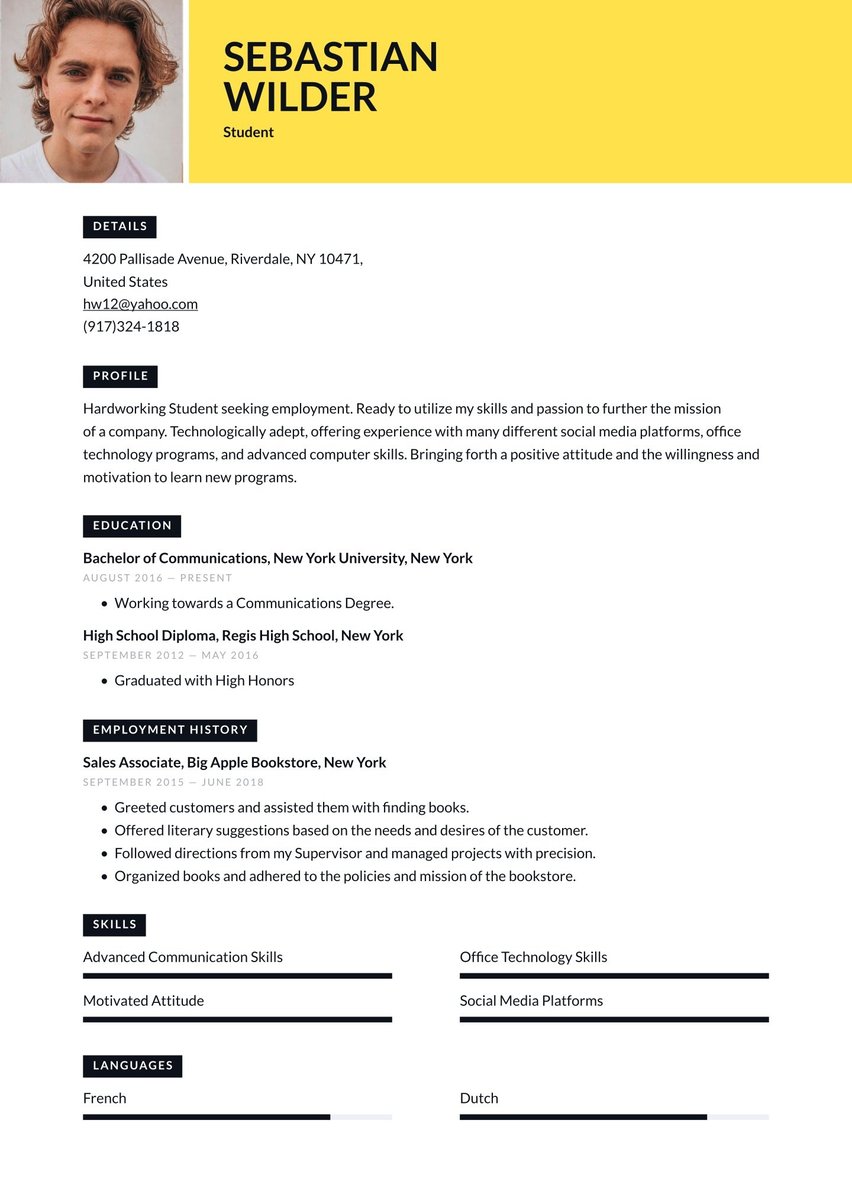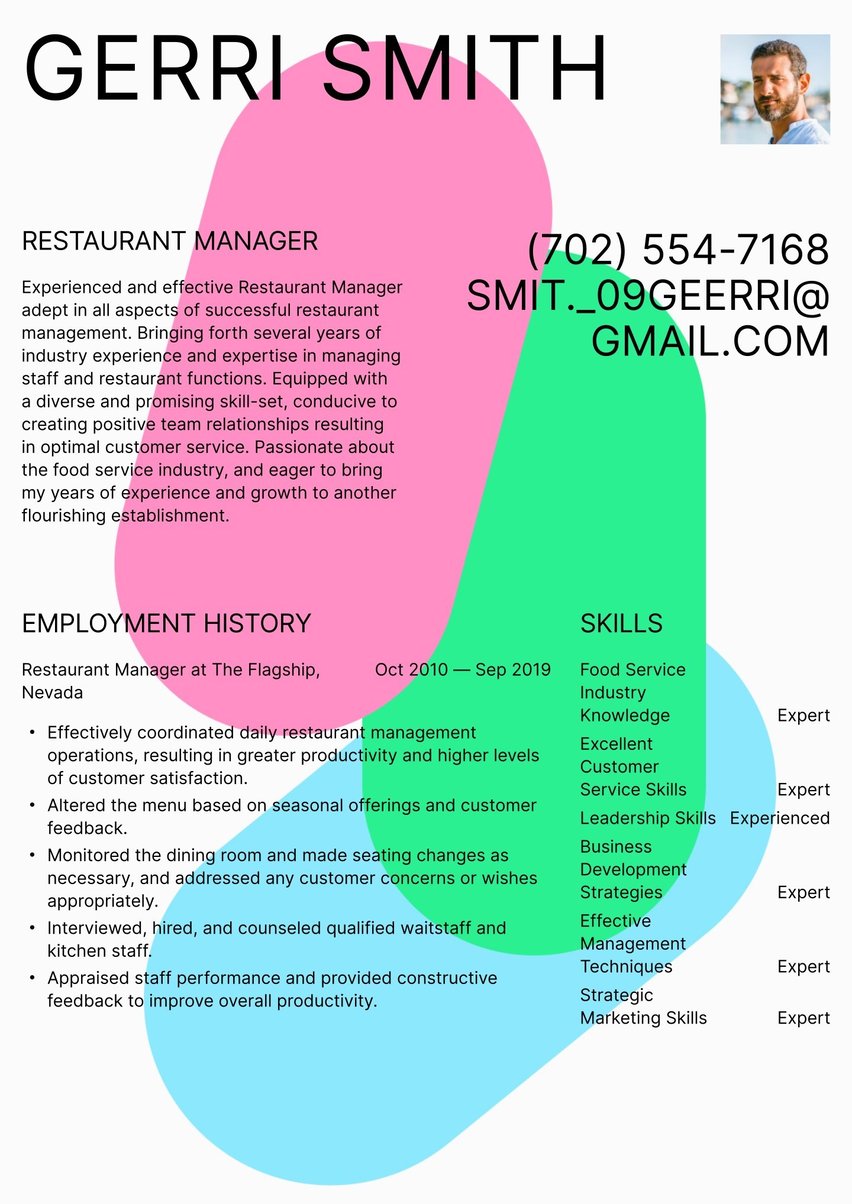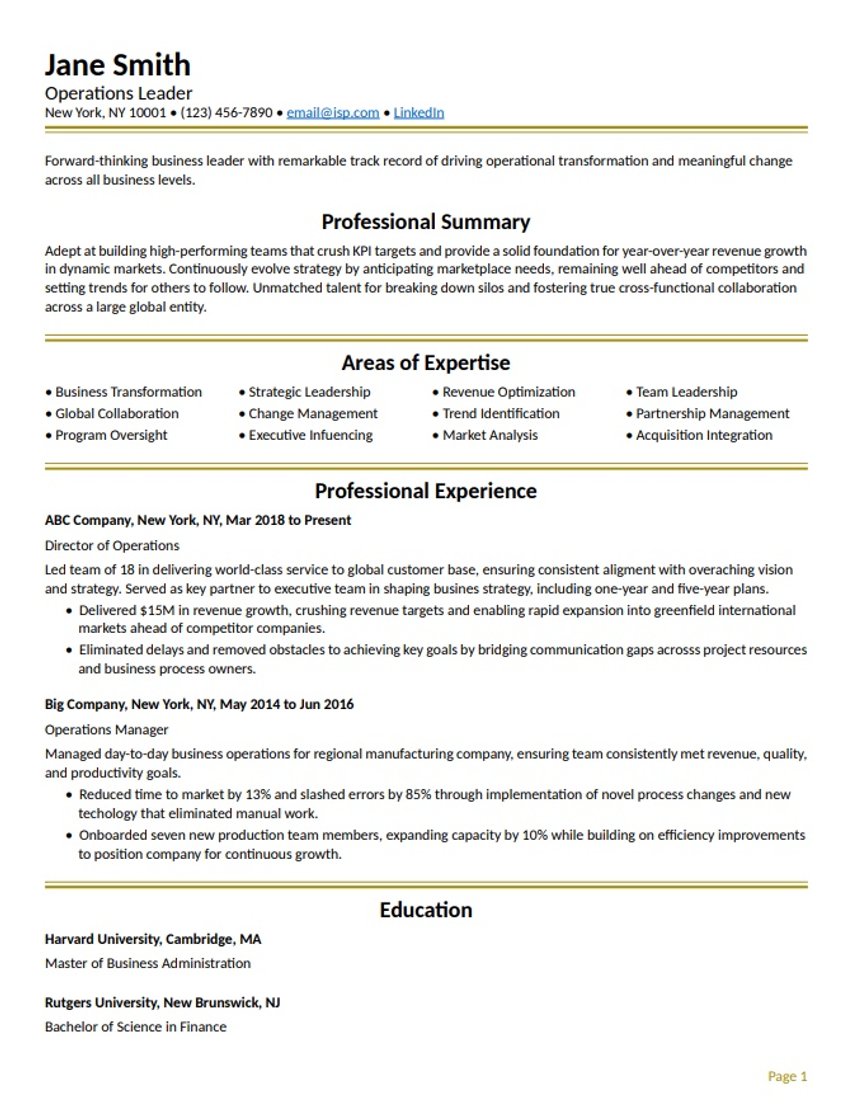


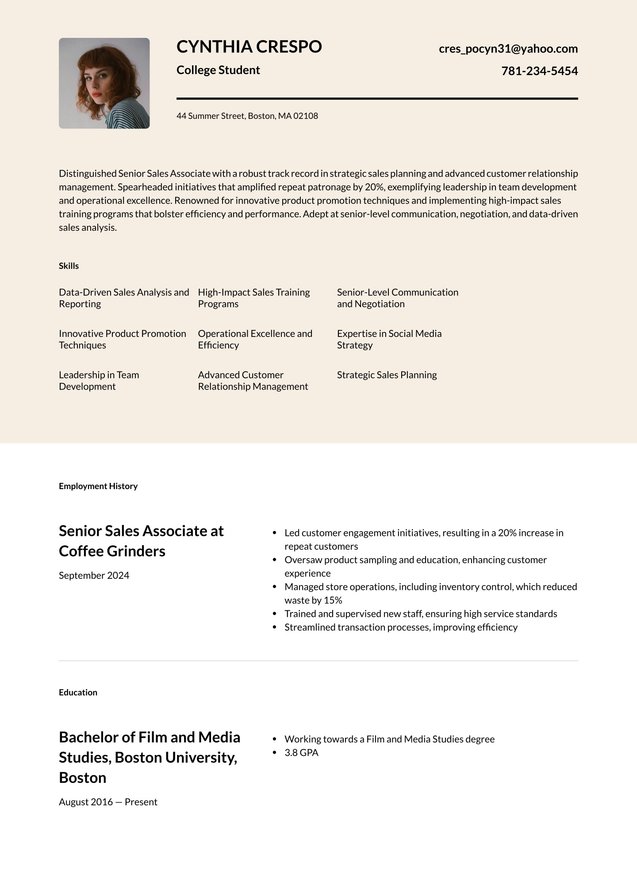
Hardworking college student with a motivated attitude and a variety of powerful skills. Adept in various social media platforms and office technology programs. Committed to contributing my expertise in a dynamic office or media production environment.
09/2015 - 06/2018, Sales Associate, Coffee Grinders, Boston
- Greeted customers and assisted them with purchasing products.
- Helped customers grind coffee beans and sample new products.
- Maintained a clean and welcoming store environment.
- Handled financial transactions.
- Monitored and recorded inventory records.
08/2016 - present, Bachelor of Film and Media Studies, Boston University, Boston
- Working towards a Film and Media Studies degree
- 3.8 GPA
09/2012 - 05/2016, High School Diploma, Regis High School, New York
- Graduated with High Honors
- President of the Journalism Club
- French
- German
- Dutch
- Office Technology Skills
- Motivated Attitude
- Social Media Platforms
- Advanced Communication Skills
College student resumes are different from those of established professionals, but that does not make them harder to get right. This guide walks you through every section, format choice, and writing decision, with examples built for students at every stage.
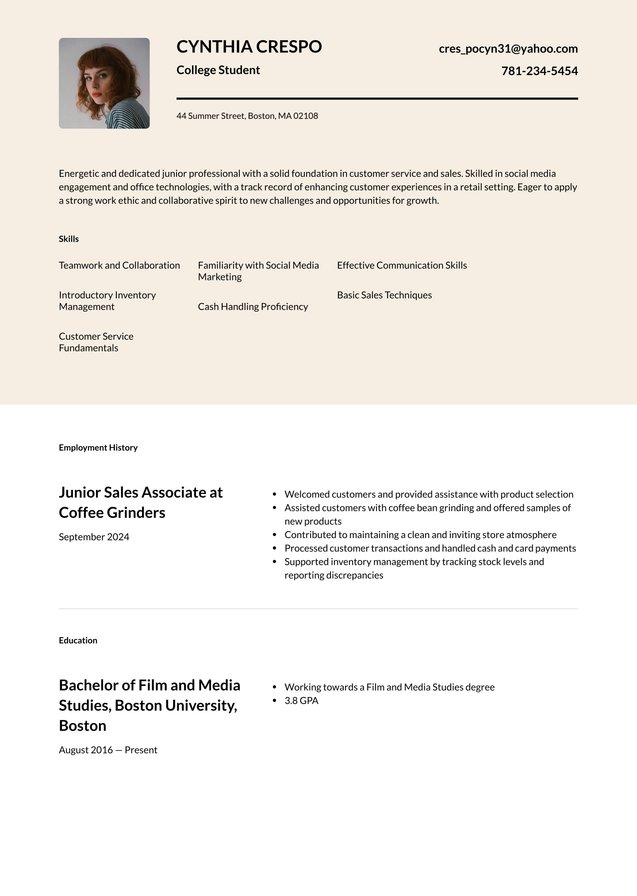
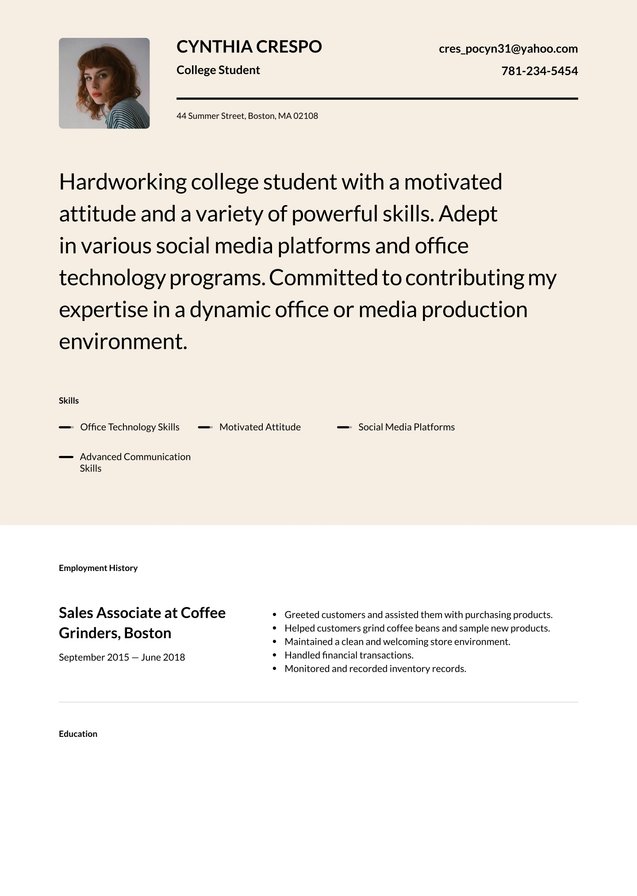
Related Resume Examples
Nursing Student resume example

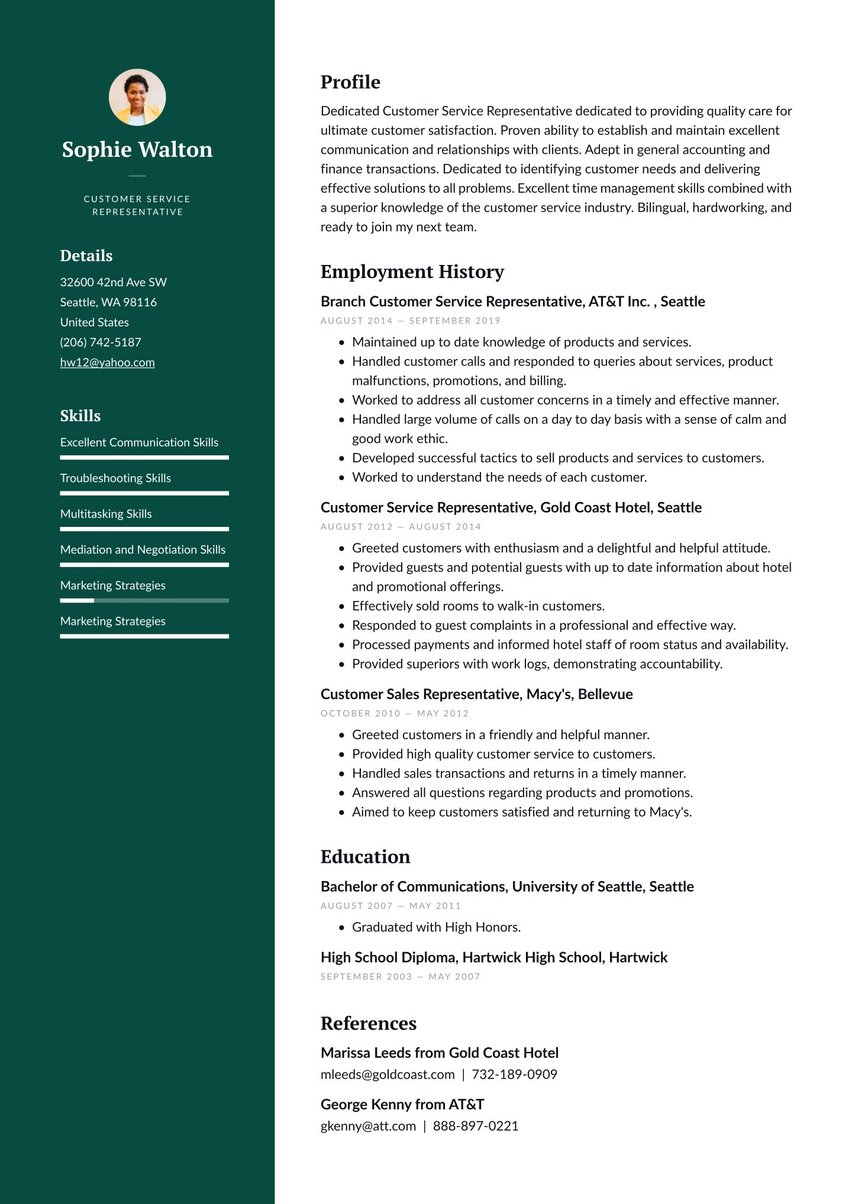
Customized for aspiring nursing professionals, this clean, organized layout highlights your patient care expertise and teamwork skills. Its soft, professional design communicates compassion and precision, helping you connect with healthcare recruiters and hospital teams.
Internship resume example

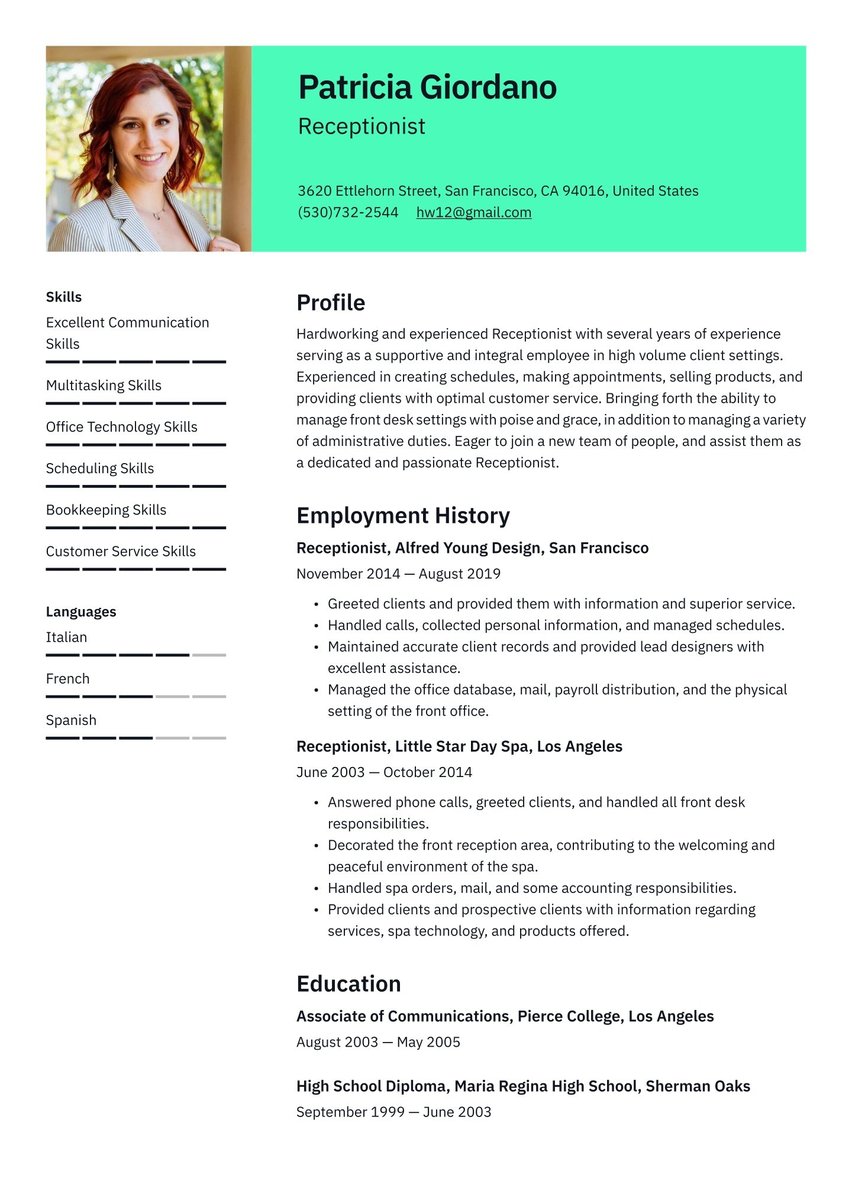
Made to match the energy and creativity of aspiring Marketing Interns, this sleek, modern layout highlights your social media expertise and communication skills. Its clean structure spotlights your achievements, leaving a lasting impression on hiring managers.
Tutor resume example

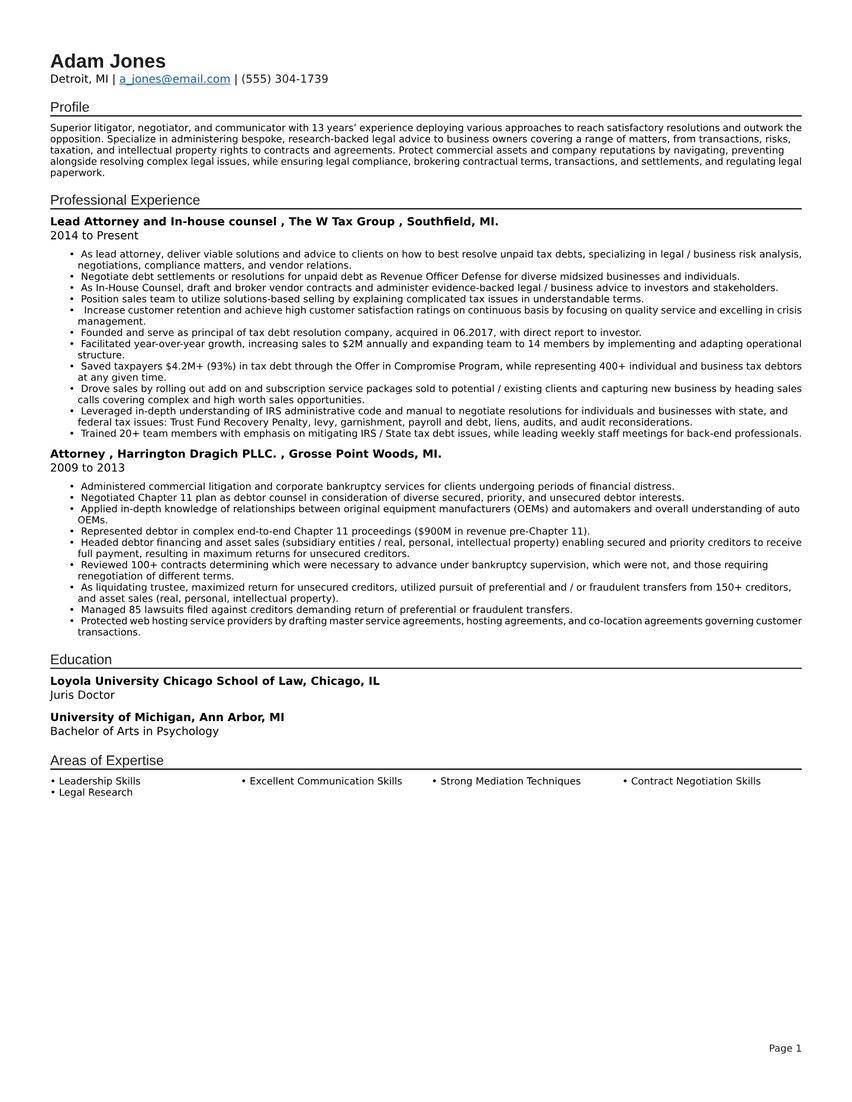
Specialized for academic tutors, this clean, structured layout highlights your teaching experience and educational expertise with precision. Its balanced design emphasizes your skills and achievements, helping you connect with schools and students seeking trusted mentors.
Academic Tutor resume example

Ideal for showcasing your expertise as an Academic Tutor, this clean, structured layout highlights your teaching experience and educational background with precision. Its balanced design emphasizes your skills and achievements, inspiring confidence in students and institutions alike.
College Admissions resume example

Formatted for aspiring college students, this clean, modern layout highlights your academic achievements and extracurricular passions with clarity and professionalism. Its structured design emphasizes your dedication and drive, impressing admissions officers at first glance.
Volunteer resume example

Structured for compassionate changemakers, this clean, inviting layout highlights your dedication and teamwork as a Volunteer. Its balanced design effortlessly showcases your leadership and adaptability, inspiring trust and connection with community-focused organizations.
Graduate School resume example

Designed for aspiring graduate students, this elegant, academic-focused layout highlights your research experience and analytical skills. Its clean structure and subtle formatting emphasize your expertise, helping you impress admissions committees and academic mentors.
Student Teacher resume example

Geared toward aspiring educators, this clean, organized layout highlights your teaching experience and leadership skills with clarity. Its balanced structure emphasizes classroom management and lesson planning expertise, inspiring confidence in school administrators and hiring committees.
Resident Assistant resume example

Customized for Resident Assistants, this clean, organized layout highlights your leadership, conflict resolution, and event planning skills. Its structured sections and subtle design elements showcase your community-building expertise, creating a strong impression for housing professionals.
College Graduate resume example

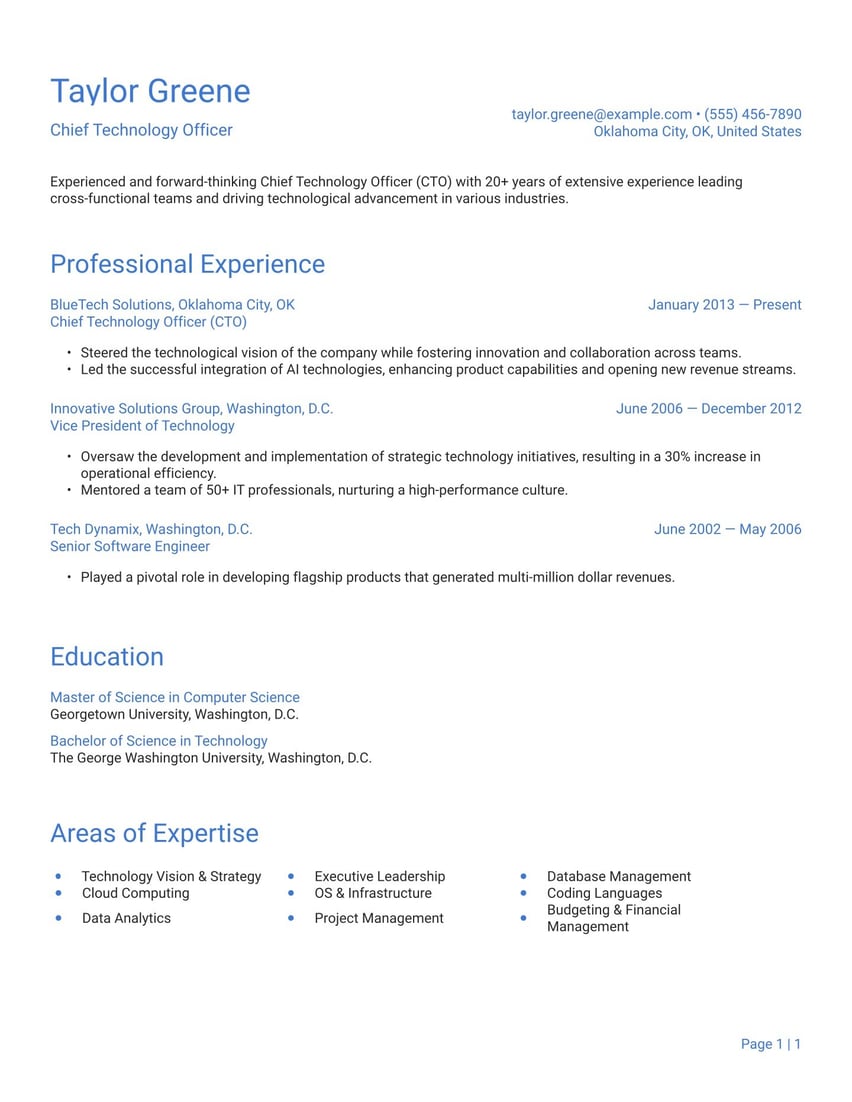
Structured for recent college graduates, this clean, modern layout highlights your adaptability, teamwork, and tech-savvy skills. Its balanced design emphasizes both experience and education, helping you connect with employers seeking fresh, dynamic talent.
How to create a resume for college students
A college student resume should be one page, lead with education, and use a clean reverse-chronological format.
Open with a brief summary or objective, followed by education, any experience (internships, campus jobs, volunteer work, or projects), and a focused skills section.
Every bullet point should emphasize what you contributed and what it produced, not just what you were assigned.
What are the five things that should be included on a resume?
The five core sections every college student resume needs are a header, a summary or objective, an education section, an experience section, and a skills section.
Together these give recruiters everything they need to assess your application quickly and fairly.
- Header: Full name, professional email, phone number, LinkedIn URL, and city and state. Do not use a campus email address or list your full street address.
- Summary or objective: Two to three sentences positioning you for the role. If you have relevant experience, use a summary. If you are just starting out, write an objective that states your goals and strongest transferable skills. See the examples below.
- Education: University name, degree, expected graduation date, and GPA if it is 3.5 or above. Add relevant coursework, honors, or Dean's List recognition where applicable.
- Experience: Internships, part-time jobs, campus roles, research, and volunteer work. Use bullet points that start with strong verbs and include a result wherever possible.
- Skills: Practical, role-relevant skills only. Avoid vague phrases like "team player" or "hard worker." See field-specific examples below.
Two additional sections worth including when you have the content for them are projects, which is especially valuable for tech, design, analytics, and engineering students, and extracurricular activities, which demonstrates initiative and leadership beyond the classroom.
One structural decision matters a lot at this stage: put education above experience.
Employers reviewing student resumes expect it, and it signals confidence in your academic record rather than drawing attention to limited work history.
Just over a fifth of US college students complete an internship each year, which means most applicants are working from a similar starting point.
The students who stand out are those who present what they have clearly, with specific results attached.
Summary example (some experience):
Marketing student with two internships in digital content and social media strategy. Managed campaigns reaching over 15,000 users and increased engagement by 22% across platforms. Seeking a junior marketing role where analytical and creative skills can contribute from day one.
Objective example (no experience):
First-year business student with strong analytical foundations and leadership experience through student government. Eager to apply organizational and communication skills in a customer-facing or administrative internship role.
Skills by field:
- Tech: Python, SQL, Java, React, Git, AWS
- Business and data: Excel, Tableau, Power BI, financial modeling, Google Analytics
- Marketing: SEO, Adobe Creative Suite, social media analytics, Google Ads
- Engineering: CAD, MATLAB, SolidWorks, lab instrumentation
- Design: Figma, UI/UX, prototyping, Adobe Illustrator
Now that you know what goes on your resume, here is how to build it from scratch.
Step 1: Research the role before you write anything
Before opening a template, read the job description carefully.
Note the skills, experience, and language the employer uses, because these are the terms your resume needs to reflect.
They help you pass ATS screening and signal to a recruiter that you understand what the role requires.
Write down the three to five requirements that appear most prominently, then build your content around them.
Step 2: Gather your experience and results
Make a complete list of everything you have done: internships, campus jobs, volunteer roles, class projects, club positions, and any freelance or personal work.
For each entry, push yourself to identify a specific result.
How many people were involved? What changed because of your contribution? What skill did you apply?
Do not filter at this stage.
Get everything down first, then cut what is least relevant to the role.
Step 3: Write and order your sections
Start with your header and summary or objective, then move through education, experience, projects, and skills.
Order content so the most relevant material appears early.
If a marketing internship is your strongest credential for a marketing role, make sure it is the first thing a recruiter sees in your experience section.
Tailor your bullet points to the job description using the language you identified in step one, and keep each bullet to one to two lines with a clear action and outcome.
Bachelor of Film and Media Studies, Boston University, Boston
August 2016 - Present
- Working towards a Film and Media Studies degree
- 3.8 GPA
High School Diploma, Regis High School, New York
September 2012 - May 2016
- Graduated with High Honors
- President of the Journalism Club
Step 4: Format, proofread, and save correctly
Once your content is in place, confirm everything fits on one page, uses a standard font between 10 and 12pt, and has consistent spacing throughout.
Read every bullet point aloud to catch passive phrasing.
Check the job listing for file format instructions.
If none are given, save as a PDF to preserve your layout.
Before sending, ask someone else to read it for errors, because it is very difficult to spot mistakes in your own writing.
Resume format for students with no experience
Students with no formal work experience should use a functional or combination resume format, which leads with skills and relevant activities rather than a chronological job list.
If you have any experience at all, even part-time or informal, a combination format usually works better.
Here is what to prioritize when experience is thin:
- Education section first: List relevant coursework, academic projects, and honors. Four to six courses that directly relate to the role is enough. Skip introductory classes and include upper-level work that shows depth in your field.
- Projects section: A class project written up like a job entry, with bullet points describing what you built, what skills you used, and what the outcome was, carries far more weight than an empty experience section.
- Extracurricular involvement: Club membership, student government, athletics, and volunteer work all belong here, particularly if you held a leadership role or can point to a measurable result.
- Skills section near the top: Because 41% of recruiters look at skills first on a resume, leading with a specific, relevant skills list helps you clear the initial scan even without a work history behind it.
- Objective statement instead of summary: A strong objective tells the employer who you are, what you can offer, and what you are targeting. Keep it to two to three sentences and make it specific to the role.
Volunteer work, campus jobs, tutoring, freelance projects, and structured personal work all count as experience.
The question to ask for each one is simple: can you attach a result, a number, or a skill to it?
If so, it belongs on the resume.
Resume writing format for college students
The standard format follows a clear hierarchy: header, summary or objective, education, experience, projects, and skills.
Within that structure, a few formatting decisions have a real impact on whether your resume gets read at all.
Use reverse-chronological order within each section
List your most recent degree, role, or project first and work backwards.
This is the format recruiters expect, and deviating from it without strong reason creates unnecessary friction in what is already a very brief review.
Write bullet points for impact
Each bullet point should follow this structure: strong verb, what you did, measurable result.
For example: Managed social media accounts for the university marketing club, growing Instagram following from 400 to 1,200 in one semester.
Avoid opening with "Responsible for" or "Helped with."
These frame your contribution as passive but specific verbs like developed, analyzed, coordinated, designed, and led communicate ownership and initiative.
Follow these formatting rules
- Font between 10 and 12pt for body text, slightly larger for your name
- Standard margins of around one inch on all sides
- Clean, single-column layout throughout
- Save as a PDF unless the job listing specifies otherwise
- No photos, graphics, or decorative borders
Make it ATS-compatible
Most larger employers run resumes through applicant tracking systems before a human sees them.
Only 25% of resumes pass ATS screening.
Formatting errors and missing keywords can eliminate a candidate before anyone has read a single line of their experience.
Use standard section headings such as Education, Experience, and Skills, and mirror the language from the job description in your bullet points wherever it fits naturally.
How long should a resume be for a college student?
A college student resume should always be one page.
Recruiters reviewing entry-level applications spend very little time on each document, and a second page without the experience to justify it creates a negative impression rather than a positive one.
If your resume is running long, cut older or less relevant entries first.
Every line on the page should earn its place by directly supporting your application for that specific role.
Once you have several years of post-graduation experience, moving to two pages becomes appropriate, but for any student or recent graduate, one page is the right call.
Can you give me tips for highlighting my college experience on my resume?
The key to highlighting college experience is reframing it.
Most students undervalue what they have done because it does not look like a traditional job.
With the right presentation, coursework, projects, campus roles, and part-time work all demonstrate genuine professional capability.
-
Treat academic projects like jobs: Create a dedicated projects section and write bullet points exactly as you would for a work entry. Describe the problem you were solving, what you did, and what the outcome was:
- Conducted user research and built a mobile app prototype for a capstone project, presenting findings to a panel of five industry professionals.
- Quantify wherever you can: Numbers create credibility where descriptions alone fall flat. How many people attended the event you organized? By how much did the club's following grow? What was the budget you managed? Even modest figures add the specificity that generic descriptions lack.
- Translate informal roles into professional language: A barista position demonstrates customer service, cash handling, and performance under pressure. A tutoring role shows communication, subject mastery, and patience. A resident assistant position reflects crisis management, peer leadership, and conflict resolution. The experience is real; the framing just needs to match what employers look for.
- Lead with what is most relevant: If you are applying for a finance role, move finance-related coursework, projects, and club involvement to the top of each section. Reordering your content to match the job is one of the most underused approaches among student applicants, and it requires very little time once you have a base resume in place.
- Include coursework selectively: Four to six upper-level courses that are directly relevant to the role. Introductory classes rarely add value and occupy space that stronger content could fill.
What are the best ways for college students to create a strong resume?
The strongest college resumes are built gradually across your degree, not assembled the night before graduation.
Students who enter the job market with competitive resumes tend to have made deliberate choices about where to invest their time each year.
How do I make my college resume stand out?
A college student resume stands out when it leads with specific, quantified results rather than general descriptions, presents a clear and focused narrative for the role being applied to, and uses clean formatting that a recruiter can scan in under thirty seconds.
The students whose resumes get remembered are not always the ones with the most experience.
They are the ones who present what they have most clearly and most relevantly.
1. Prioritize internships
Resume.io data shows that 57.6% of interns convert to full-time employment after their placement.
Even a single internship signals to employers that another organization trusted you in a professional setting, and that carries real weight against candidates who only have coursework to show.
2. Record results as you go
Whether it is a campus job, a club committee, or a research role, track outcomes as they happen.
Revenue generated, people reached, events organized, and costs reduced are all worth noting.
Building this habit throughout college means your resume comes together far more easily when the time comes, rather than relying on memory months after the fact.
3. Develop skills that appear in job descriptions
Resume skills need to be specific enough to search for.
"Communication skills" is not a searchable credential.
But Google Analytics, Python, Excel, Figma, and SQL are.
Build your list around what actually appears in postings for the roles you want, and develop those skills deliberately through coursework, projects, or self-study.
4. Hold at least one leadership position
Club president, event lead, team captain, or committee chair all demonstrate that you can take ownership and coordinate others.
These roles separate candidates who share similar grades and academic backgrounds, which at the student level describes most of the applicant pool.
5. Build a focused resume narrative
A resume that presents a clear direction is more persuasive than one that covers everything.
A computer science student with three backend development projects, a relevant internship, and a focused skills list tells a cleaner, more convincing story than one with scattered activity across unrelated areas.
Here is a rough framework for building your resume year by year:
| Year | Focus |
|---|---|
| Freshman | Campus involvement, any part-time work, foundational skills |
| Sophomore | First internship or research role, leadership in one organization |
| Junior | Recognized internship or research, measurable results, strong skill development |
| Senior | Clear specialization, strong experience section, targeted applications |
Templates for college students
A college student resume template should be clean, single-column, and easy for both humans and applicant tracking systems to read.
The right template removes formatting decisions entirely so you can focus on your content.
When choosing a template, look for these characteristics:
- Single-column layout: Easier for ATS to parse than multi-column designs, which can scramble the reading order of automated systems. A two-column template might look polished on screen but can cause sections to be read out of sequence or skipped entirely by screening software.
- Clear section headings: Standard labels like Education, Experience, and Skills help recruiters and software locate information quickly. Avoid creative alternatives like "My Journey" or "What I Bring," as these confuse ATS parsing.
- Adequate white space: A crowded resume is harder to skim. Space between sections improves readability without pushing you onto a second page.
- Minimal design: Heavy graphics, color blocks, and sidebar columns often perform poorly with ATS screening, even when they look polished to the human eye.
- Flexible section order: Choose a template that allows you to place education above experience, which is the expected structure for student and entry-level resumes.
Resume.io offers professionally designed templates built for student and entry-level applicants, optimized for both ATS compatibility and recruiter readability.
You can adjust section order, customize content, and download in PDF format.
What common mistakes should I avoid when writing a resume as a college student?
The most common college resume mistakes fall into three areas: weak language, poor formatting, and content that does not serve the application.
Avoiding them is straightforward once you know what to look for.
What to avoid when writing a resume
The things to avoid on a college student resume are vague bullet points with no results, sending an identical resume to every employer, padding with irrelevant content, passive language, ATS-unfriendly formatting, and listing soft skills as though they are technical skills.
Each of these is easy to fix and makes a measurable difference to how your resume is received.
- Describing tasks instead of outcomes. "Helped with social media" tells a recruiter nothing useful. "Scheduled and published content across three platforms, contributing to a 30% increase in engagement over one semester" demonstrates real capability. Every bullet point should answer one question: so what?
- Sending the same resume to every employer. A resume submitted without adjustments will always be weaker than one built around a specific role. Read the job description, identify what the employer is prioritizing, and shift your bullet points and skills section to reflect that language. It does not require rewriting the whole document, but it does require genuine attention each time.
- Padding with irrelevant content. Listing every club you were ever a member of, high school activities that no longer reflect your current ability, or skills you cannot back up with evidence adds length without adding value. Recruiters notice filler and it works against you.
- Passive and vague language. "Was involved in," "assisted with," and "participated in" signal presence rather than contribution. Replace them with specific verbs: built, led, analyzed, designed, coordinated. The difference in impression is significant, particularly when a recruiter is moving quickly through a stack of applications.
- Formatting that fails ATS. Tables, text boxes, graphics embedded in the body of the resume, and non-standard section headings can all cause automated systems to misread or skip your content. Keep formatting clean and conventional throughout.
- Listing soft skills as hard skills. "Good communicator" or "strong team player" belongs inside a bullet point, demonstrated through a specific example. The skills section is for technical and practical competencies that a recruiter can verify or search for.
Only 2% of resumes secure an interview, which reflects both how competitive the process is and how many applications are dismissed for avoidable reasons.
Getting the fundamentals right puts you ahead of a significant portion of the applicant pool before the recruiter has read a word of your experience.
Frequently asked questions
College students often share the same practical questions when building their first resume.
Here are direct answers to the most common ones.
What type of resume is best for a college student?
A combination format works best for most college students.
It lets you lead with a relevant skills section and education while still presenting any experience you have in chronological order.
Students with no work experience at all may benefit from a functional format, which places skills and academic background at the center rather than job history.
What stands out to recruiters on a college student resume?
Specific, quantified results stand out most.
Recruiters reviewing student resumes are looking for evidence of real contribution, not just participation.
A bullet point that includes a number, an outcome, or a named skill is far more memorable than a vague description of duties.
Relevant internship experience, a clear skills section, and a focused one-page layout also make a strong impression during a brief initial scan.
Should I include my GPA on my college resume?
Include your GPA if it is 3.5 or above.
If your major GPA is significantly higher than your cumulative figure, list that instead with a clear label.
Below 3.5, leave it off and let your experience, projects, and skills carry the application.
Can I include high school experience on a college resume?
Yes, but only in your first year or two of college, and only if it is genuinely relevant or fills a gap where you have nothing else to show.
Once you have internships, projects, campus roles, or part-time work to draw on, high school entries should come off the page.