

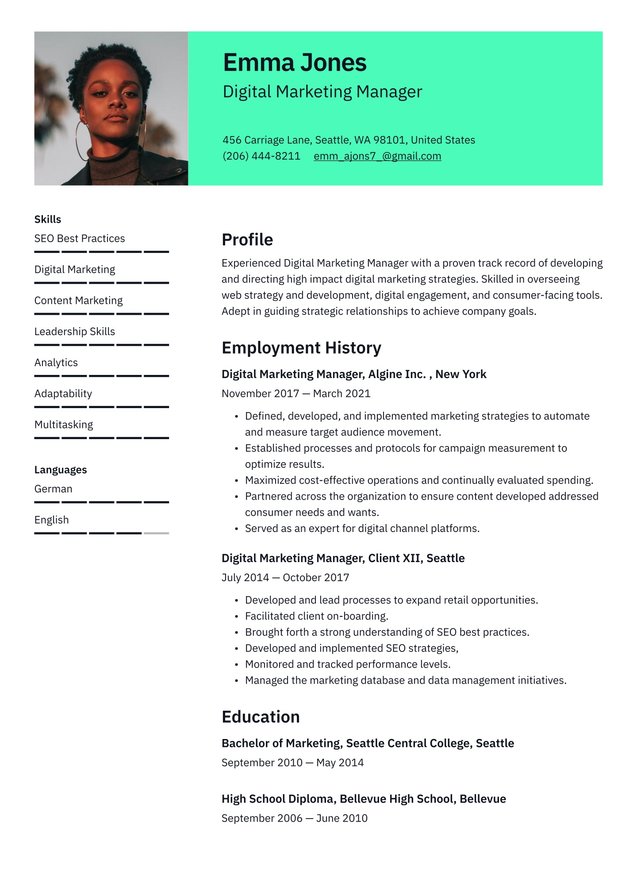
Experienced Digital Marketing Manager with a proven track record of developing and directing high impact digital marketing strategies. Skilled in overseeing web strategy and development, digital engagement, and consumer-facing tools. Adept in guiding strategic relationships to achieve company goals.
11/2017 - 03/2021, Digital Marketing Manager, Algine Inc. , New York
- Defined, developed, and implemented marketing strategies to automate and measure target audience movement.
- Established processes and protocols for campaign measurement to optimize results.
- Maximized cost-effective operations and continually evaluated spending.
- Partnered across the organization to ensure content developed addressed consumer needs and wants.
- Served as an expert for digital channel platforms.
07/2014 - 10/2017, Digital Marketing Manager, Client XII, Seattle
- Developed and lead processes to expand retail opportunities.
- Facilitated client on-boarding.
- Brought forth a strong understanding of SEO best practices.
- Developed and implemented SEO strategies,
- Monitored and tracked performance levels.
- Managed the marketing database and data management initiatives.
09/2010 - 05/2014, Bachelor of Marketing, Seattle Central College, Seattle
09/2006 - 06/2010, High School Diploma, Bellevue High School, Bellevue
- German
- English
- SEO Best Practices
- Digital Marketing
- Content Marketing
- Leadership Skills
- Analytics
- Adaptability
- Multitasking
A strong digital marketing resume proves you can do for your own career what you do for brands every day: Reach the right audience with the right message. This guide walks through how to write a digital marketing resume that both hiring managers and applicant tracking systems respond to. Below you will find adaptable examples you can tailor to your own experience.
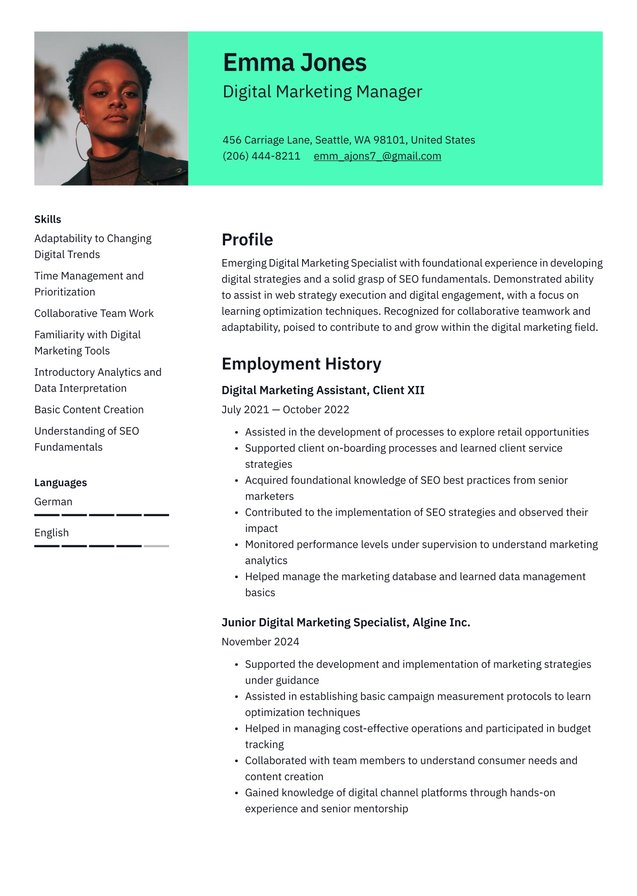
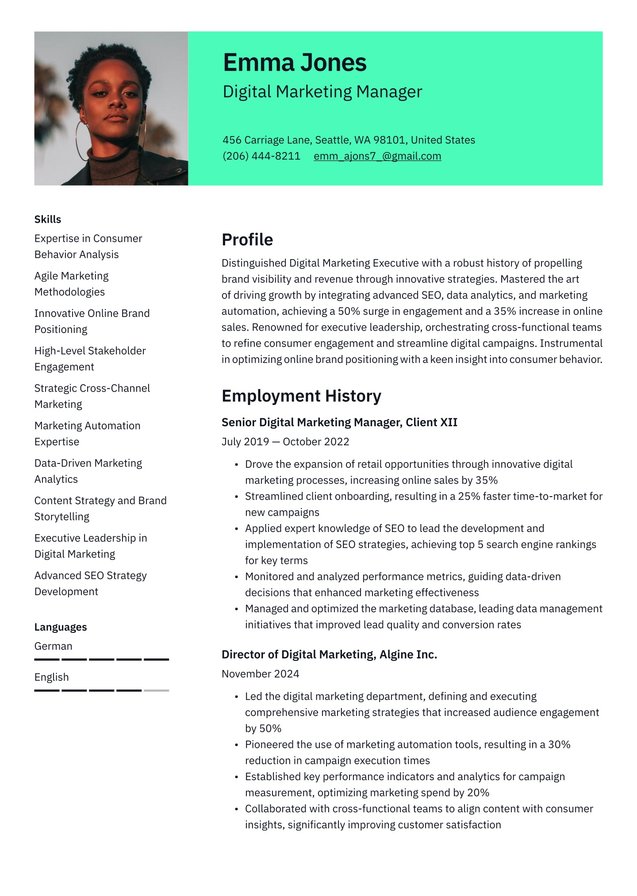
Related Resume Examples
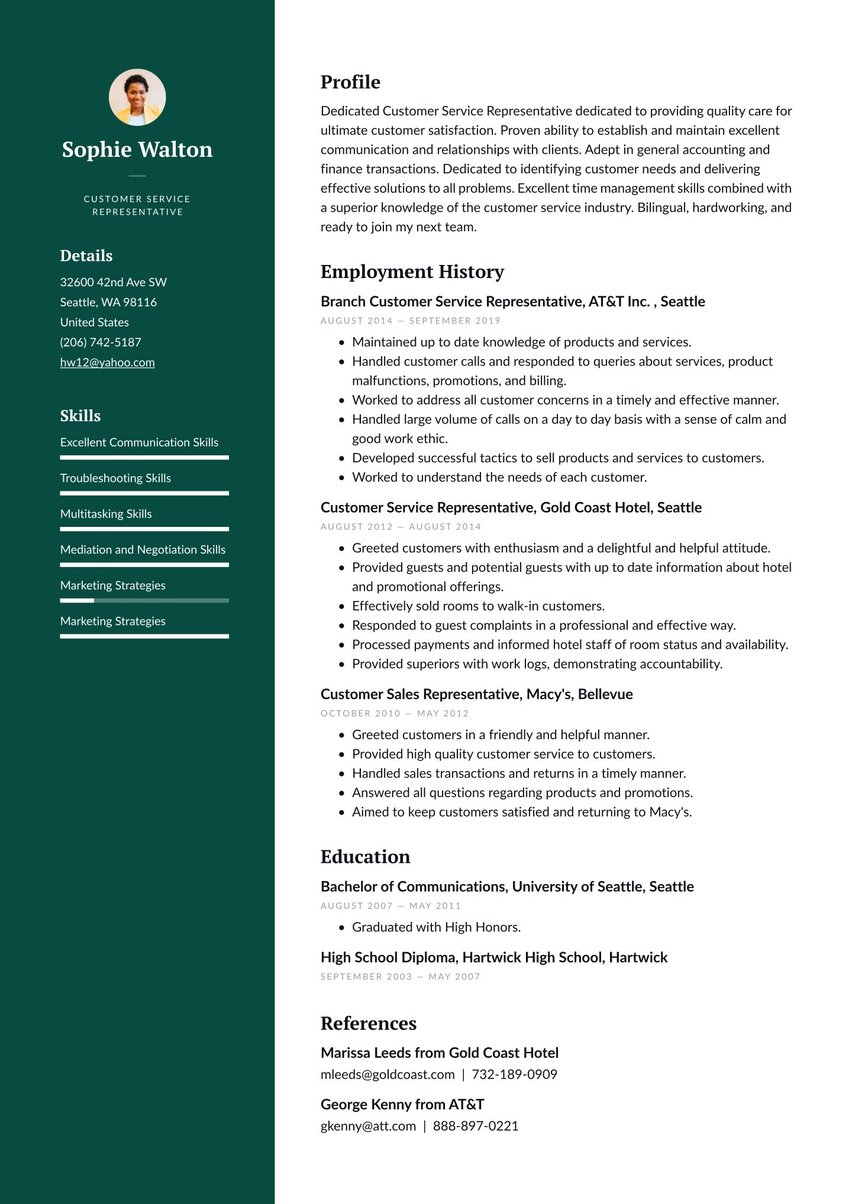
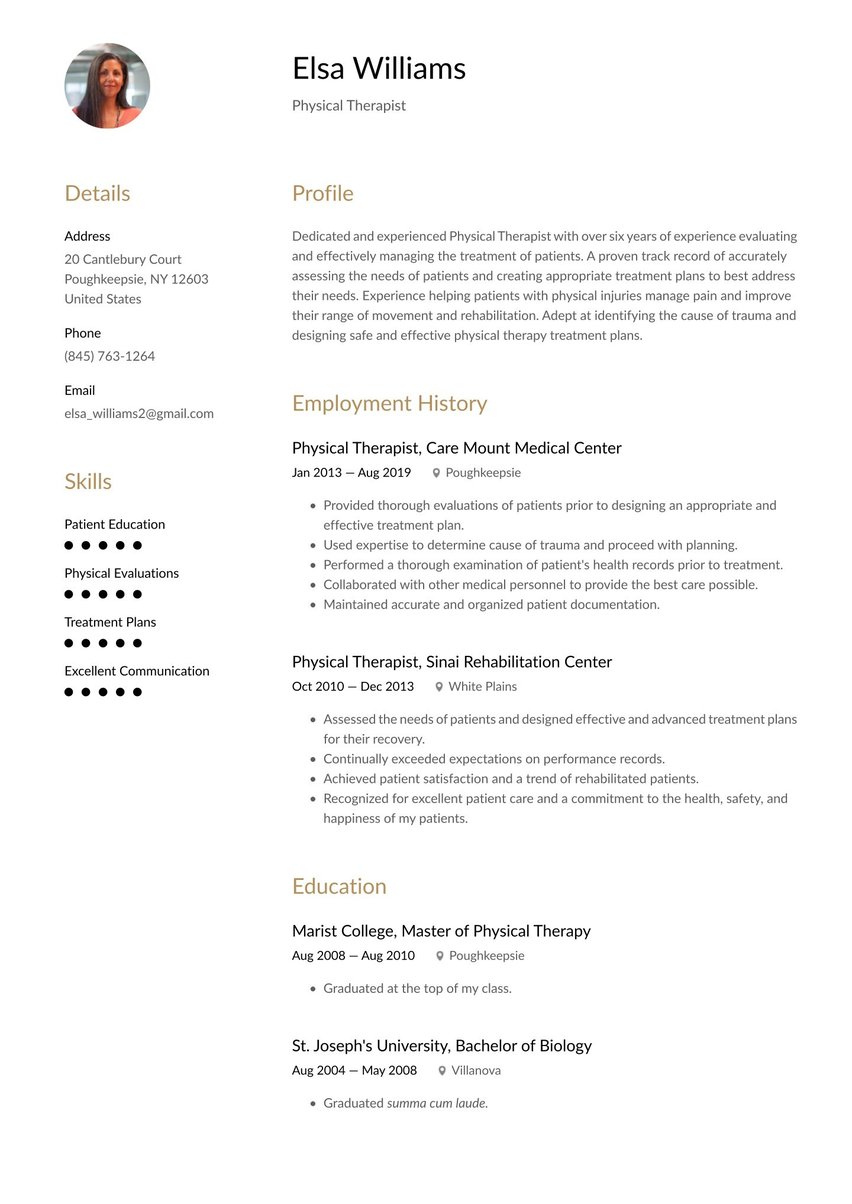
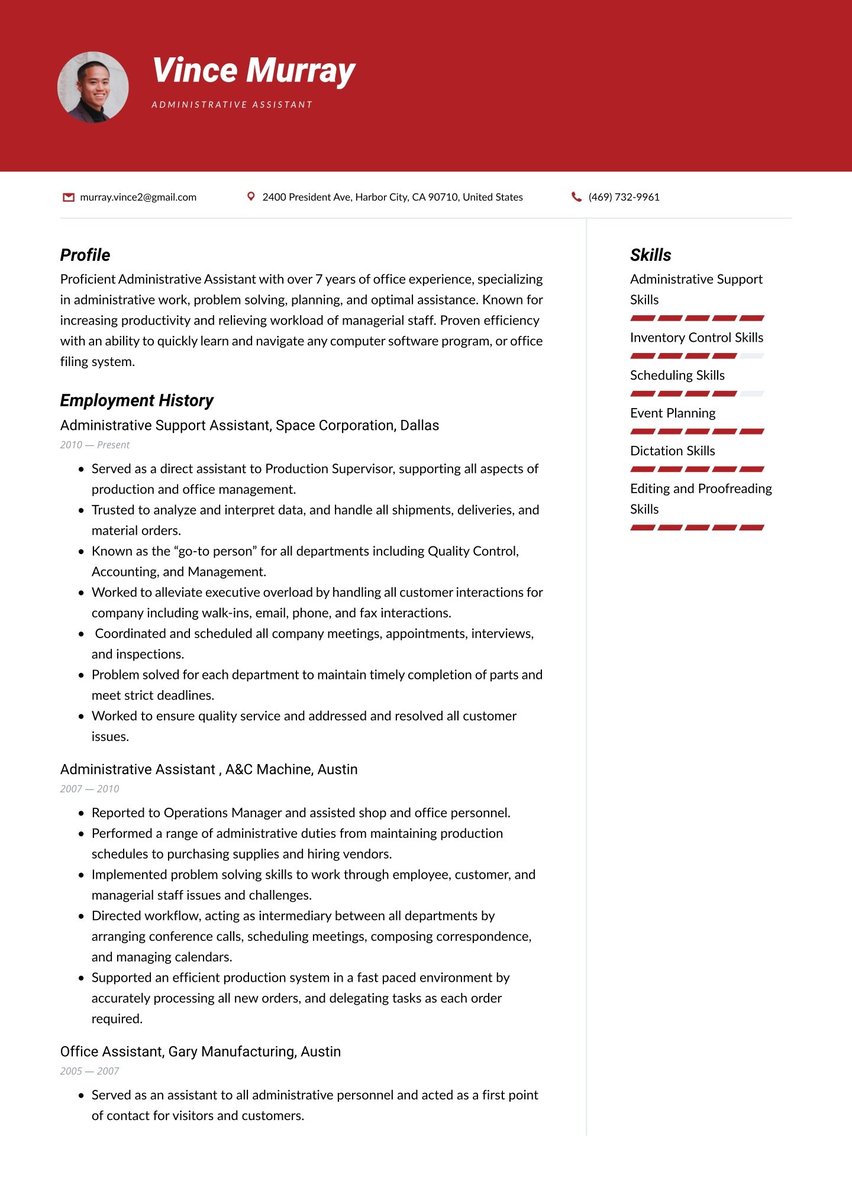
Content Marketing Associate resume example

Tuned for creative professionals, this sleek, modern layout spotlights your storytelling skills and marketing expertise as a Content Marketing Associate. Its clean structure and subtle accents highlight your adaptability and innovation for hiring managers.
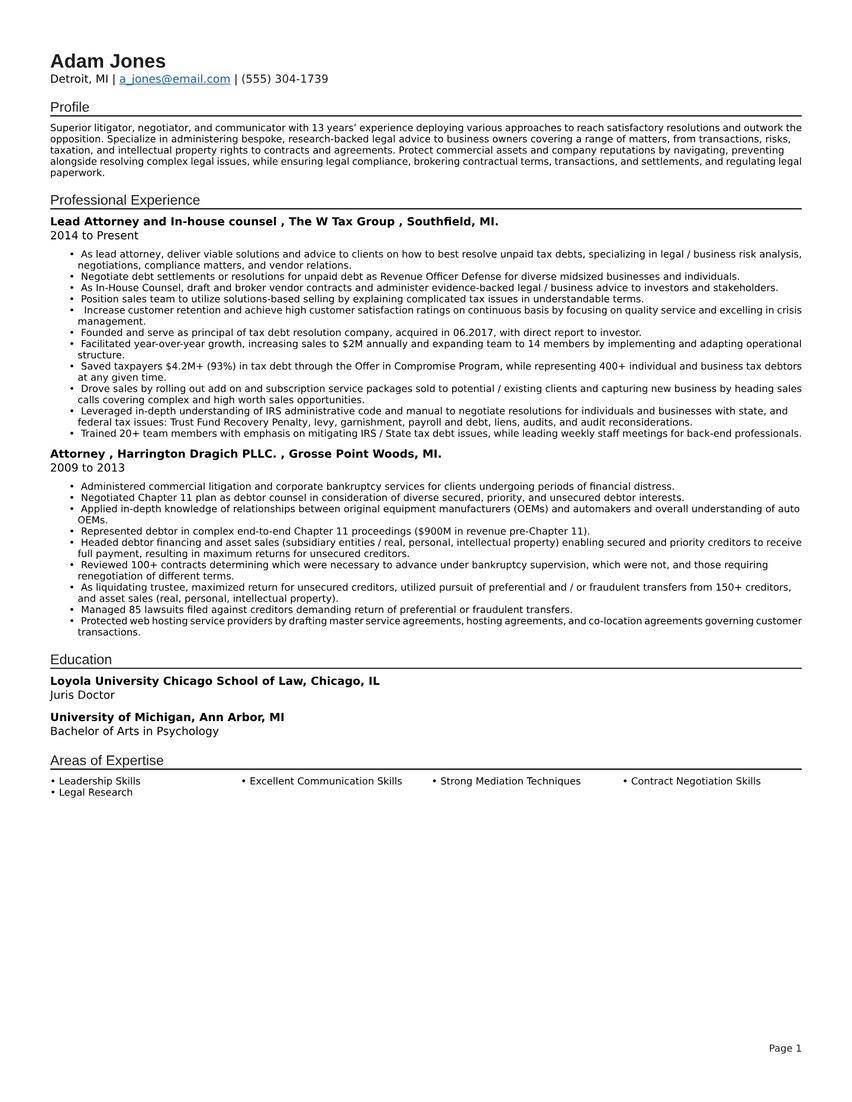
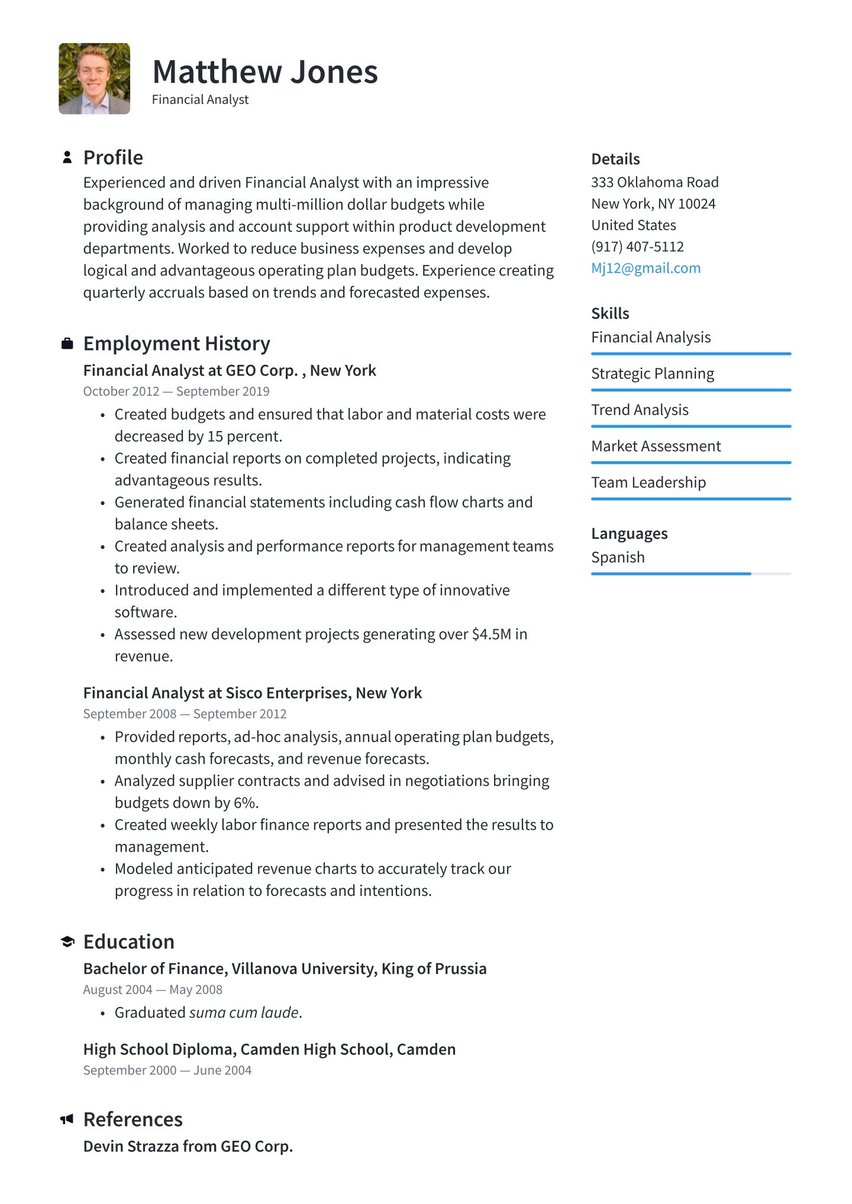
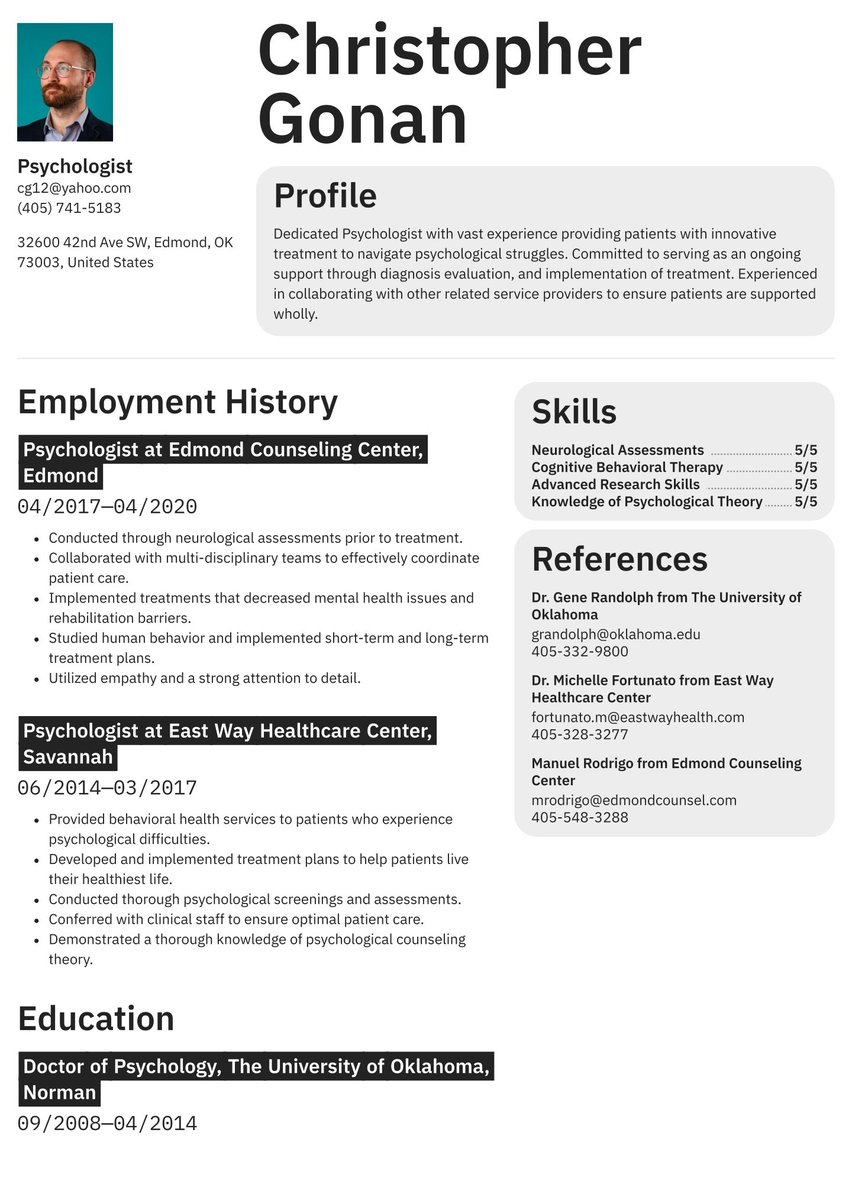
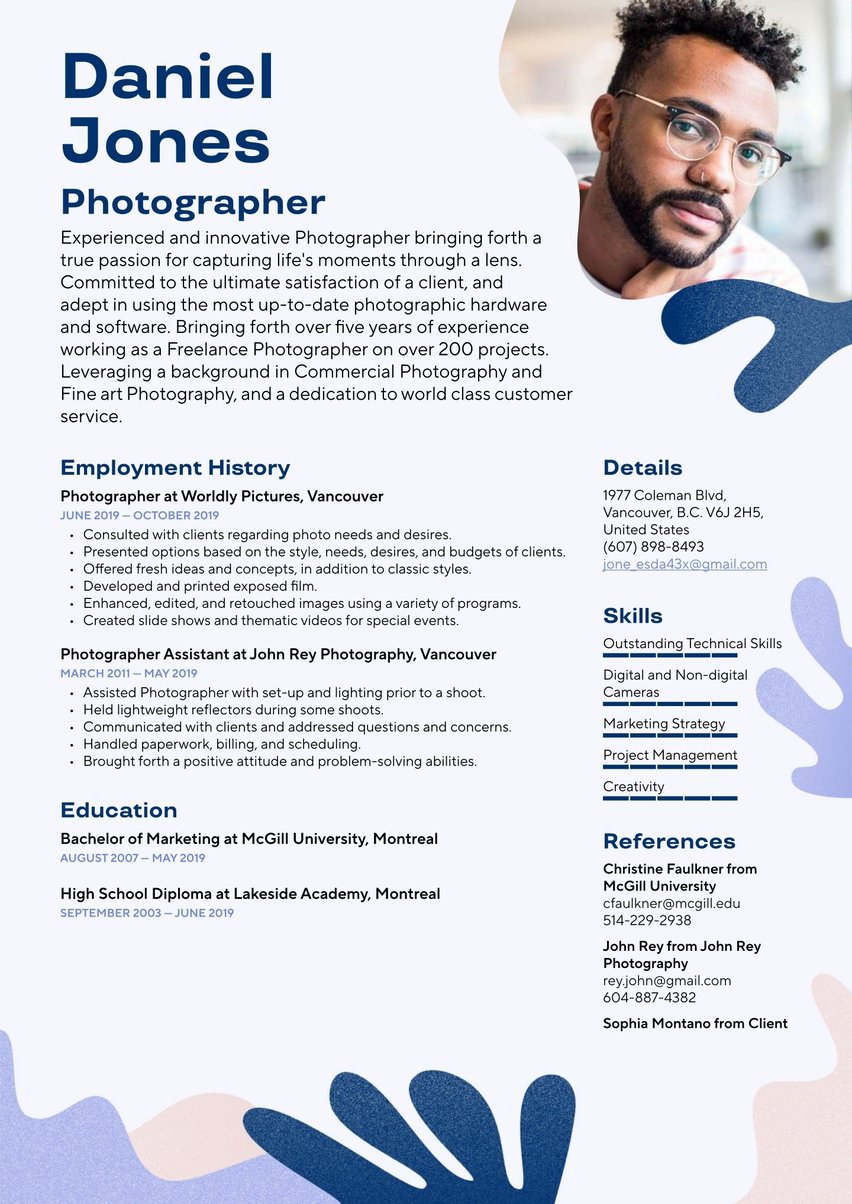
Digital Marketing Manager resume example

Optimized for showcasing creativity and strategy, this sleek, modern layout highlights your digital expertise as a Digital Marketing Manager. Its clean structure and bold headers emphasize your campaign successes, engaging employers with clarity and impact.
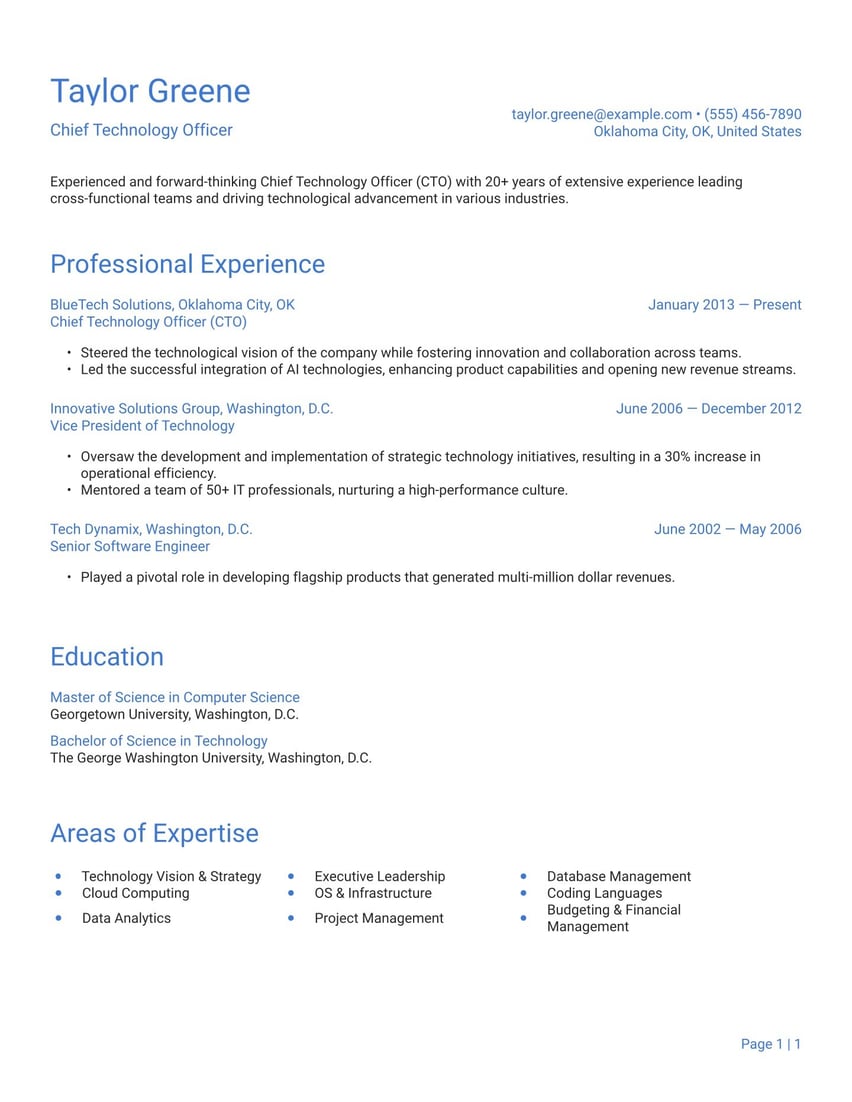
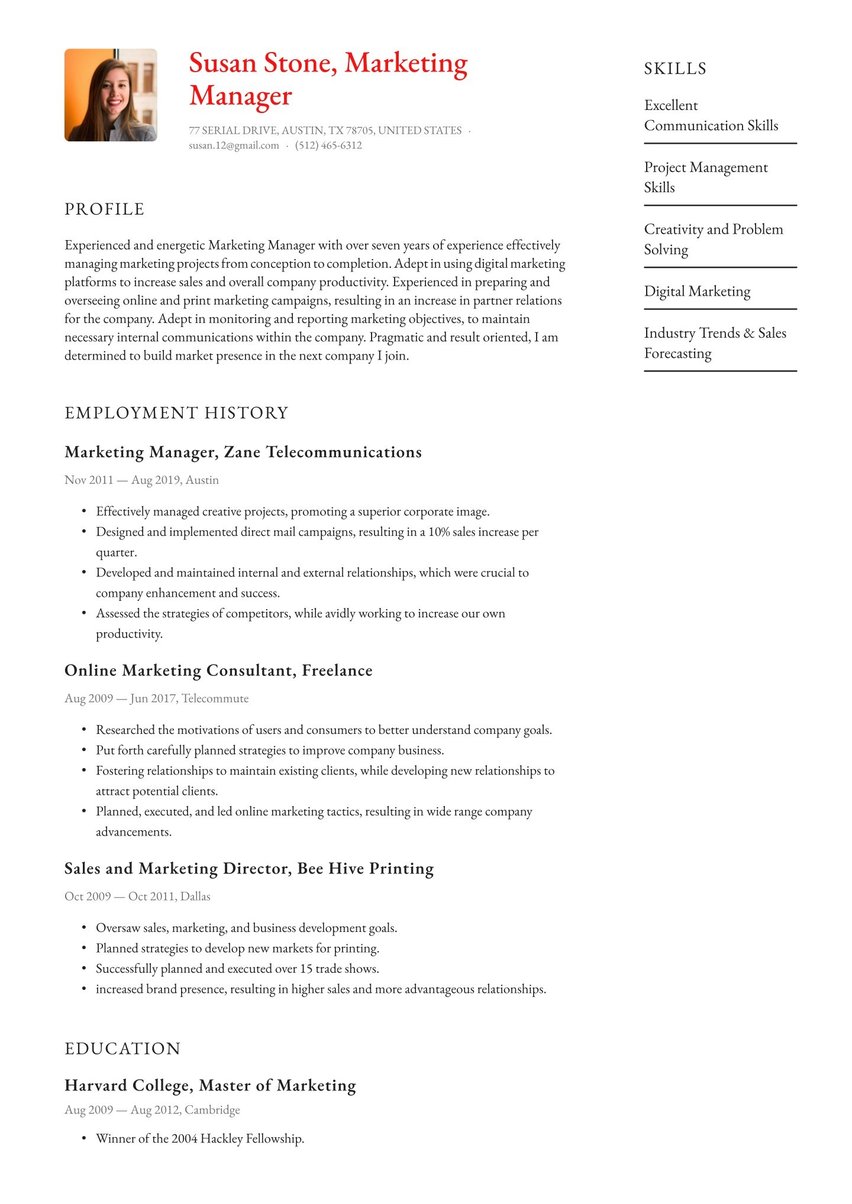
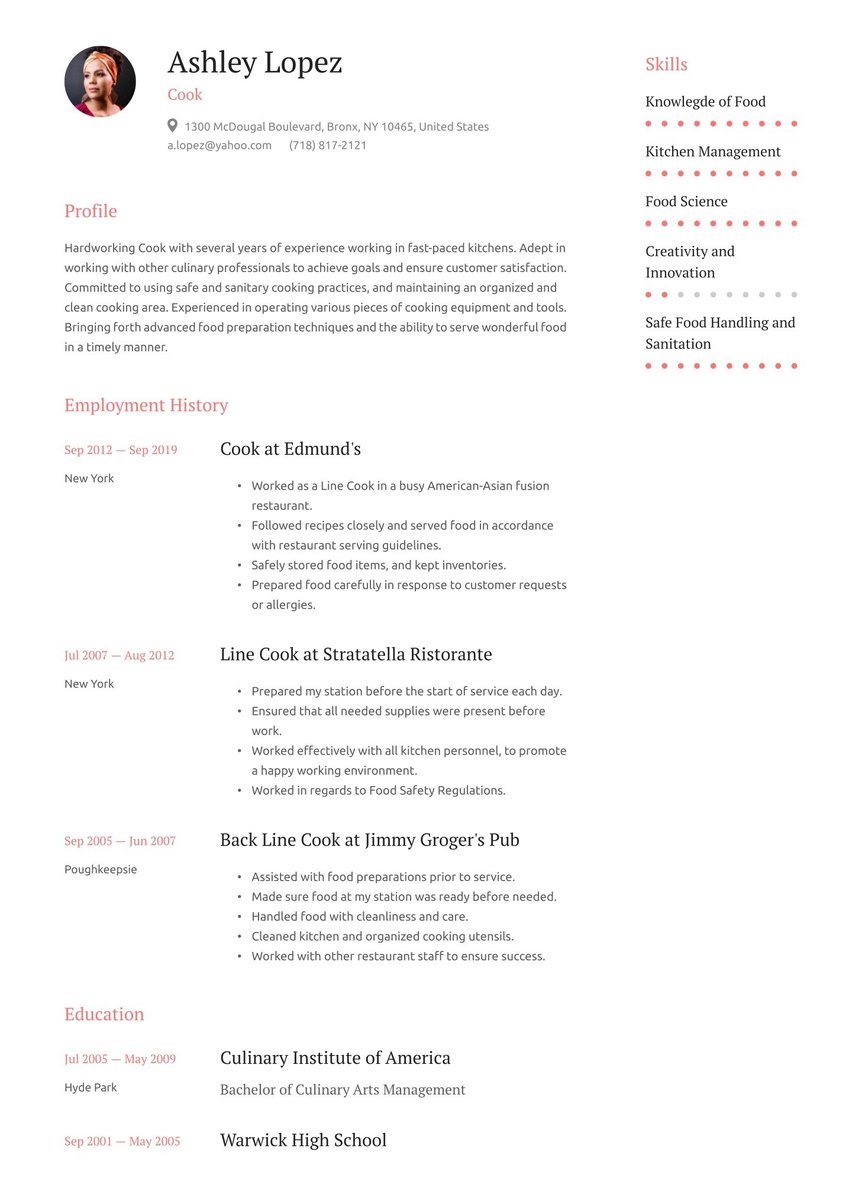
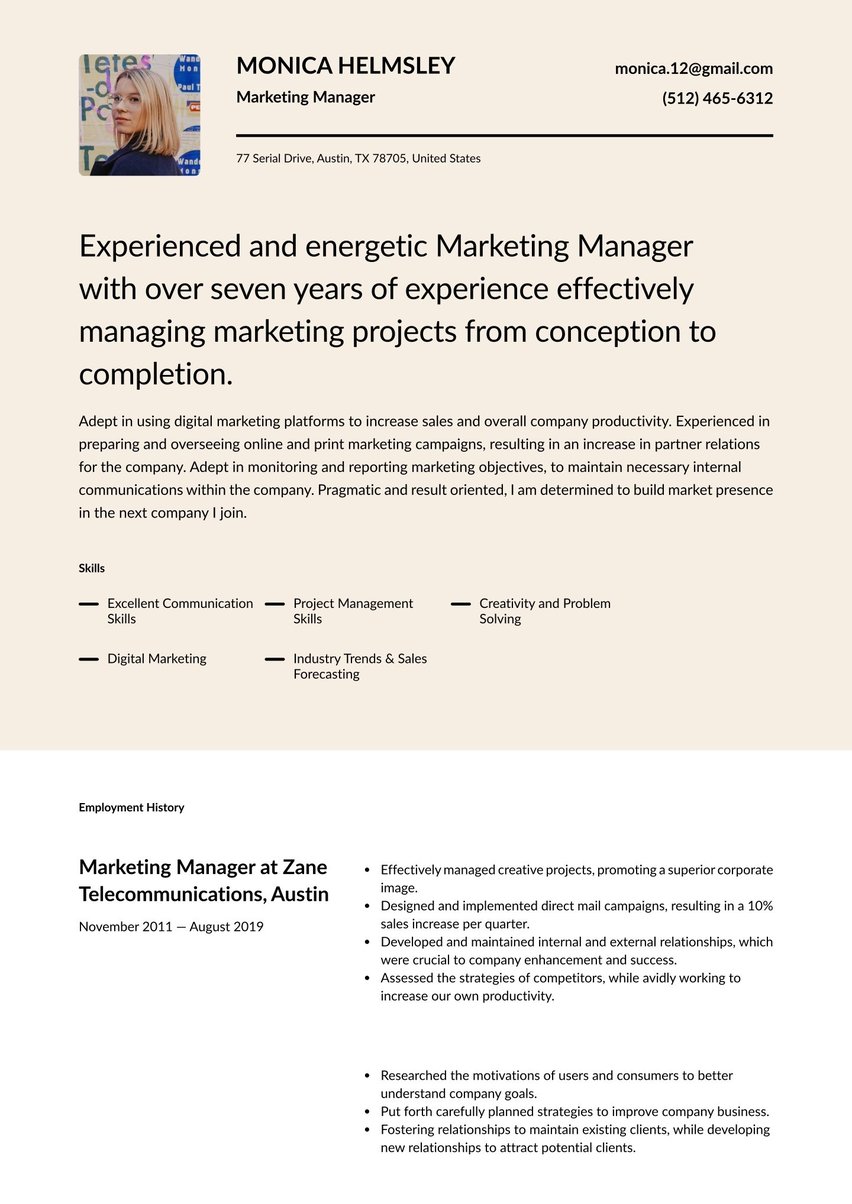
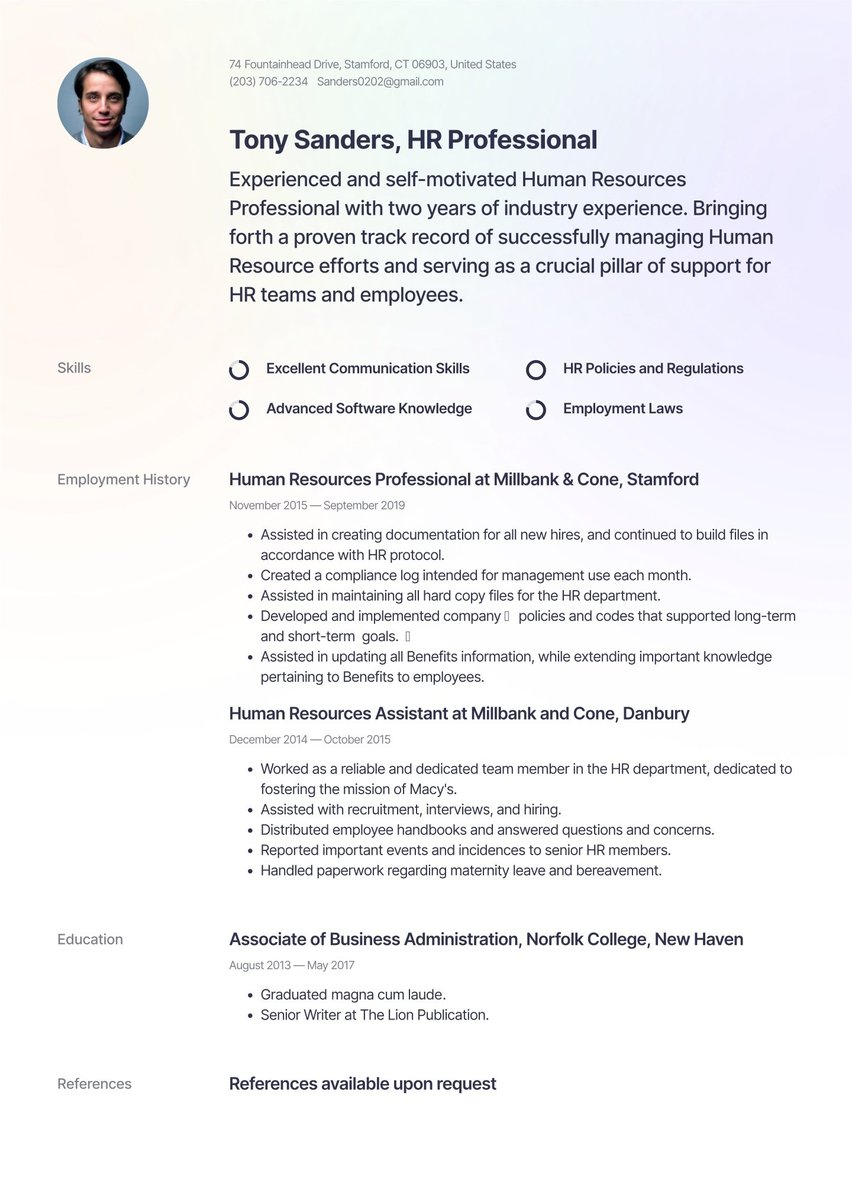
Marketing Manager resume example

Designed for marketing professionals, this sleek, modern template highlights your creativity and strategic thinking. Its clean layout and bold headings showcase your leadership, campaign successes, and digital expertise, impressing decision-makers in dynamic workplaces.
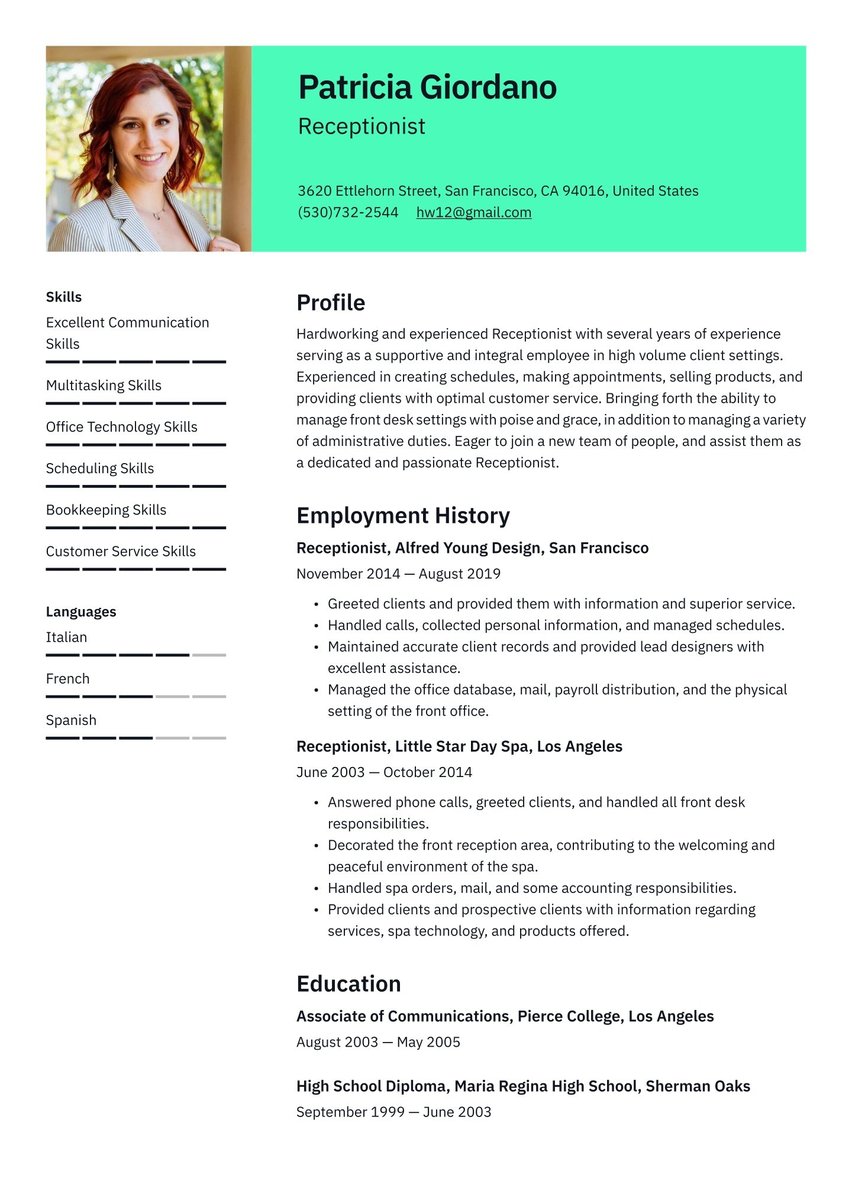
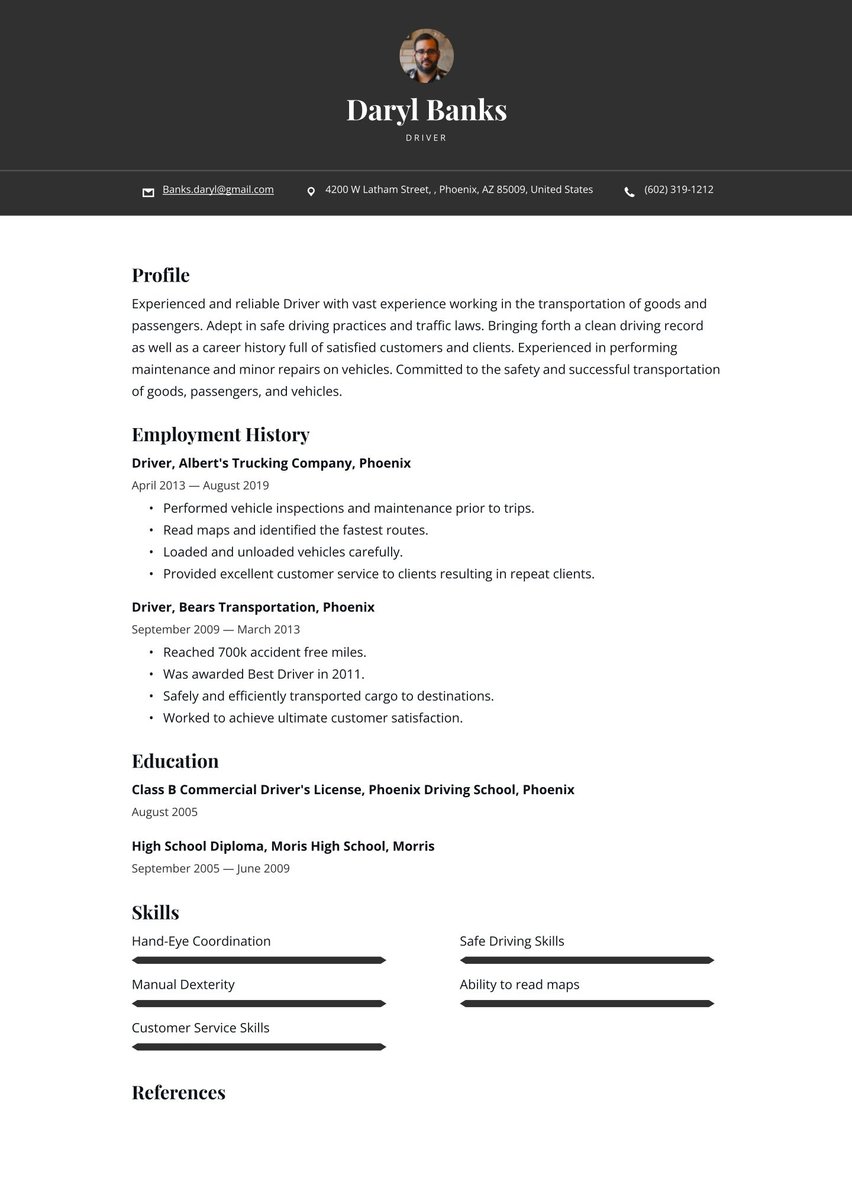
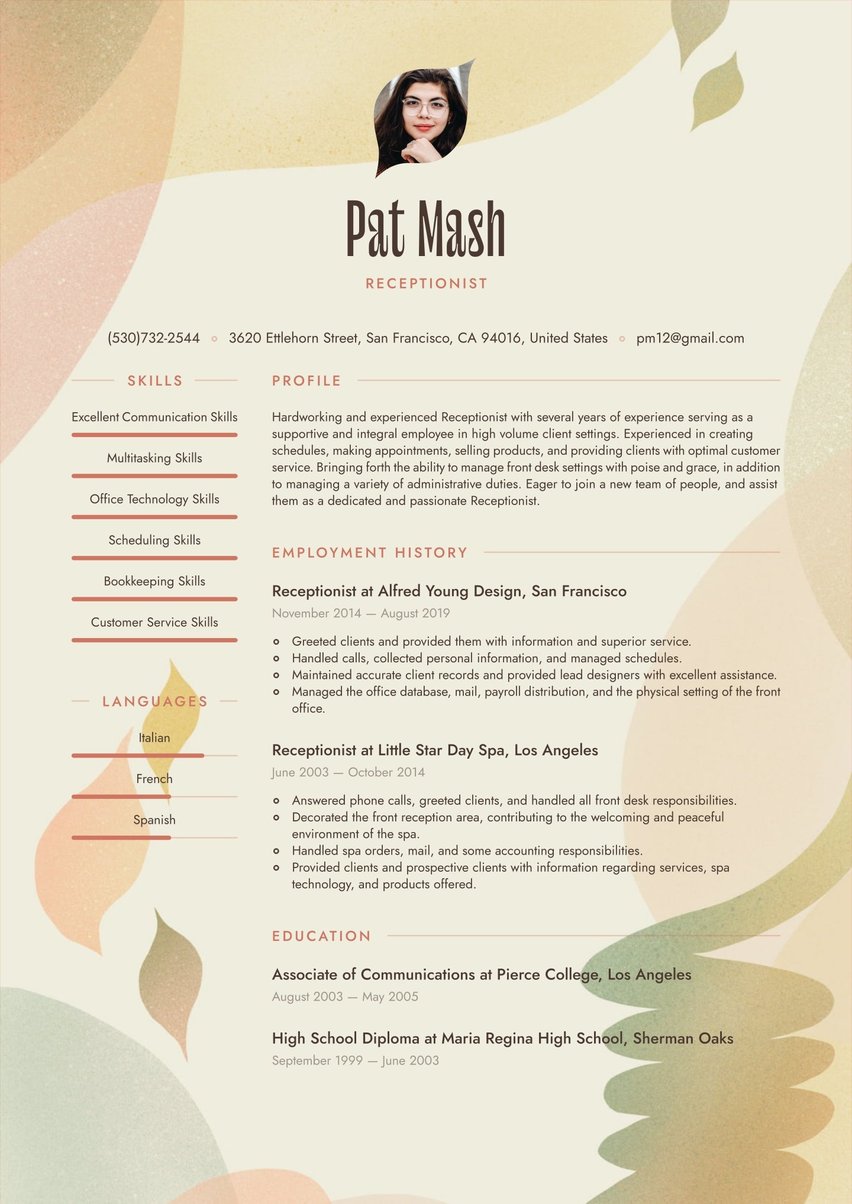
Social Media Manager resume example

Targeted at creative and trend-savvy Social Media Managers, this sleek, modern layout spotlights your marketing expertise and visual storytelling skills. Its clean structure and bold headers amplify your achievements, engaging brands seeking innovative digital leaders.
Marketing Consultant resume example

Engineered for marketing professionals, this sleek, modern layout spotlights your strategic expertise and creative flair. Its clean structure and subtle color accents amplify your achievements, helping you connect with data-driven and brand-focused audiences effortlessly.
SEO resume example

Tuned for SEO specialists, this sleek, data-driven layout spotlights your analytical mindset and strategic expertise. Its clean structure and subtle accents amplify your ability to optimize, analyze, and deliver results, impressing marketing teams and hiring managers alike.
Marketing Coordinator resume example

Optimized for showcasing creativity and organization, this template blends clean layouts with subtle color accents to highlight your marketing expertise. Its structured sections amplify your skills and achievements, impressing hiring managers in dynamic, fast-paced industries.
Marketing Analyst resume example

Aligned with the dynamic needs of a Marketing Analyst, this sleek, modern layout spotlights your analytical expertise and creative edge. Its clean structure and strategic formatting emphasize your skills and achievements, impressing data-driven and innovation-focused employers.
These examples show what effective digital marketing resumes look like across entry, mid, and senior levels.
How to write a digital marketing resume
Writing a digital marketing resume comes down to four clear steps.
Work through them in order and you will have a complete, focused document ready to adapt for any role.
1. Open with a results-focused summary
Your summary is three sentences at the top of your resume that name your specialty, your experience level, and one headline result.
Recruiters treat it the way users treat a landing page:
They decide within seconds whether to keep reading, so lead with a number, not an adjective.
- Example: "Digital marketing specialist with 5 years of experience in paid search and email, managing a $600K annual budget at a 4.2x average ROAS."
2. Quantify every campaign you mention
Marketing is a metrics-driven field, so unquantified bullets read as a red flag in this occupation specifically.
Attach a figure to traffic, conversion, revenue, ROAS, CTR, or list growth wherever you can.
Only 26% of candidates include measurable data on their resumes, so numbers alone separate you from most applicants (Resume.io Cover Letter Statistics, 2025).
- Example: "Grew organic blog traffic 118% in 12 months, adding 9,400 monthly sessions and 310 marketing-qualified leads."
3. Match the channels the employer names
A listing for a PPC role reads nothing like one for content or lifecycle marketing, so identify which channels, tools, and metrics the employer prioritizes before you write a word.
Those priorities decide what leads your summary and which bullets come first.
- Example: A listing asking for "paid social and marketing automation" should see "Meta Ads" and "HubSpot workflows" in your first screenful.
4. Choose a clean, ATS-safe format
Most large employers scan resumes with ATS software before a person reads them, and only 25% of resumes pass ATS screening (Resume.io Resume Statistics, 2025).
A single-column layout with standard section headings scans reliably, while graphics, charts, and skill bars often do not.
- Example: Use "Work experience," not "My campaign journey," as a section heading.
What are some effective ways to format a digital marketing resume?
Reverse chronological is the best format for most digital marketing resumes because it puts your most recent campaigns and results first, which is what recruiters check before anything else.
A functional or hybrid format only earns its place if you are freelance, changing careers, or built your track record through projects rather than jobs.
The table below shows when each fits.
| Format | Best for | Watch out |
|---|---|---|
| Reverse chronological | Steady employment in marketing roles | Gaps become visible, so be ready to explain them |
| Functional | Career changers with transferable skills | Some recruiters distrust it because it hides timelines |
| Hybrid | Freelancers and project-based marketers | Can run long, so cap it at one page where possible |
How can I make my digital marketing resume stand out to employers?
A digital marketing resume stands out when it is positioned around one or two channels with proof of results, rather than claiming competence across all of them.
Hiring managers see the same broad self-description on nearly every application, so a clear specialty reads as confidence while an everything-list reads as hedging.
In our experience reviewing marketing resumes, the phrase "data-driven digital marketer" has become so common it now signals the opposite: A candidate with real data leads with the data itself.
Name your strongest channel, attach your best figure to it, and let secondary skills support rather than compete.
Certifications such as Google Ads, Google Analytics, or HubSpot add weight when they match the role, and a linked portfolio or campaign case study gives a recruiter something no other section can.
One specific, verifiable win outperforms ten broad claims.

What skills should I highlight in a digital marketing resume?
Highlight a balanced mix of channel skills, tool proficiency, and the soft skills that make campaigns run, prioritized by what the posting asks for.
In fact, 41% of recruiters review skills first on a resume, so this section carries more weight than many candidates assume (Resume.io Resume Statistics, 2025).
Group them so a scanner and a human can both parse them quickly:
Hard skills
- SEO and SEM
- Paid social and PPC campaign management
- Email marketing and automation (HubSpot, Klaviyo, Mailchimp)
- Analytics and reporting (GA4, Looker Studio)
- Content strategy and CRO
- AI marketing tools and prompt workflows
Soft skills
- Data interpretation and storytelling
- Project management
- Cross-functional collaboration
- Adaptability to platform and algorithm changes
Employers increasingly want to see how you have used AI tools inside real campaign workflows, not just that you have heard of them, so name the tool and the task together where you can.
Are there specific keywords that hiring managers look for in digital marketing resumes?
Yes, and they come directly from the job description rather than from any universal list.
ATS software ranks your resume by how closely its language matches the posting, so the exact terms the employer uses are the keywords that matter.
If the posting says "search engine marketing," write "search engine marketing (SEM)" rather than only the acronym, because scanners do not always equate the two.
Platform names (Google Ads, Meta, TikTok), tool names (Salesforce, SEMrush, HubSpot), and metric terms (ROAS, CAC, CTR) are the highest-value matches for marketing roles.
Recruiters also search their databases by these terms after the initial screen, so accurate keywords keep working for you after submission.
How can I optimize my digital marketing resume with the right keywords?
Read the posting twice and list every skill, tool, and channel it names, then place the ones you genuinely have in your summary, skills section, and work bullets.
Keep the language natural: A keyword inside a quantified achievement reads better to humans and scores the same with software.
Never claim tools or platforms you have not used, because marketing interviews test them quickly.
Running your draft through an ATS resume checker before you submit shows you which terms are missing.
How can I highlight my experience effectively in a digital marketing resume?
Effective experience sections show what changed because of your work, listed in reverse chronological order with four or five achievement bullets per role.
Start every bullet with a strong verb such as launched, scaled, or optimized, then state the outcome.
The difference between "managed social media accounts" and "grew Instagram following 64% and doubled referral traffic in 8 months" is the difference between a task and a result.
If you are early in your career, treat internships, freelance clients, university campaigns, and even a personal blog or affiliate site as legitimate experience, provided you can attach outcomes to them.
Go back no further than four or five positions, and give the most space to the roles closest to the job you want next.
How should I tailor my digital marketing resume for different job applications?
Adjust your resume for every application rather than sending one version everywhere, because "digital marketing" covers roles as different as PPC analyst and content lead.
Tailoring takes about fifteen minutes once your master resume exists: Reread the listing, swap your skills list to match its priorities, reorder your bullets so the most relevant results appear first, and rewrite your summary line to name the specialty the employer wants.
A candidate applying to a paid media role should lead with budget and ROAS figures; the same candidate applying to a content role should lead with traffic and engagement growth.
The employer should feel the document was made for them, and the small time investment per application returns far more interviews than volume ever does.
What are common mistakes to avoid when writing a digital marketing resume?
The most damaging mistake is listing responsibilities instead of results, because in a field built on measurement, missing numbers imply missing impact.
The other frequent errors are just as avoidable, and each has a straightforward fix.
| Mistake | Why it hurts | Fix |
|---|---|---|
| Listing duties instead of results | Missing numbers imply missing impact in a metrics-driven field | Rewrite each bullet as verb, action, and measurable outcome |
| Stuffing the skills section with every tool | Interviewers probe depth quickly and thin claims collapse | List only tools you can discuss in detail |
| Burying your specialty under generalist language | Vague positioning loses recruiters comparing dozens of similar candidates | Lead with one or two channels and your best figure |
| Neglecting your online presence | Recruiters check LinkedIn and portfolios and expect them to match | Update both before you apply and keep them consistent |
| Letting typos through | Employers treat errors as a work sample in a writing-heavy role | Proofread aloud and have someone else read the final version |
Each of these errors is common enough that avoiding them alone puts you ahead of a large share of applicants.
Treat the table as a final review pass before every submission.
Key tips for writing a compelling digital marketing resume
- Position yourself around one or two channels with your best figure attached, since a clear specialty beats a generalist claim.
- Write achievement bullets in the pattern of verb, action, and measurable outcome, using metrics such as ROAS, traffic, or conversion rate.
- Pull keywords straight from each job description and place them in your summary, skills section, and bullets where they are genuinely true.
- Keep the layout single-column and standard so ATS software reads it correctly, and put visual creativity in a linked portfolio.
- Create a fresh version for every application, leading with the results most relevant to that specific role.
Frequently asked questions
Here are the questions job seekers ask most often about digital marketing resumes.
Do you need a degree for a digital marketing resume?
No, a degree is not required for most digital marketing roles.
Employers weight demonstrated results, platform certifications, and portfolio work more heavily than formal education.
If you hold a relevant degree, list it, but certifications such as Google Ads or HubSpot plus real campaign outcomes can fully substitute for one.
Should I include a portfolio link on my digital marketing resume?
Yes, include a link to a portfolio, personal site, or campaign case studies in your resume header.
Employers hiring marketers want to see work in action, and a portfolio proves claims your bullets can only state.
Make sure every linked example is current and matches the specialty you are applying for.